
7 Surprising Handcrafted Brass Utensils Benefits
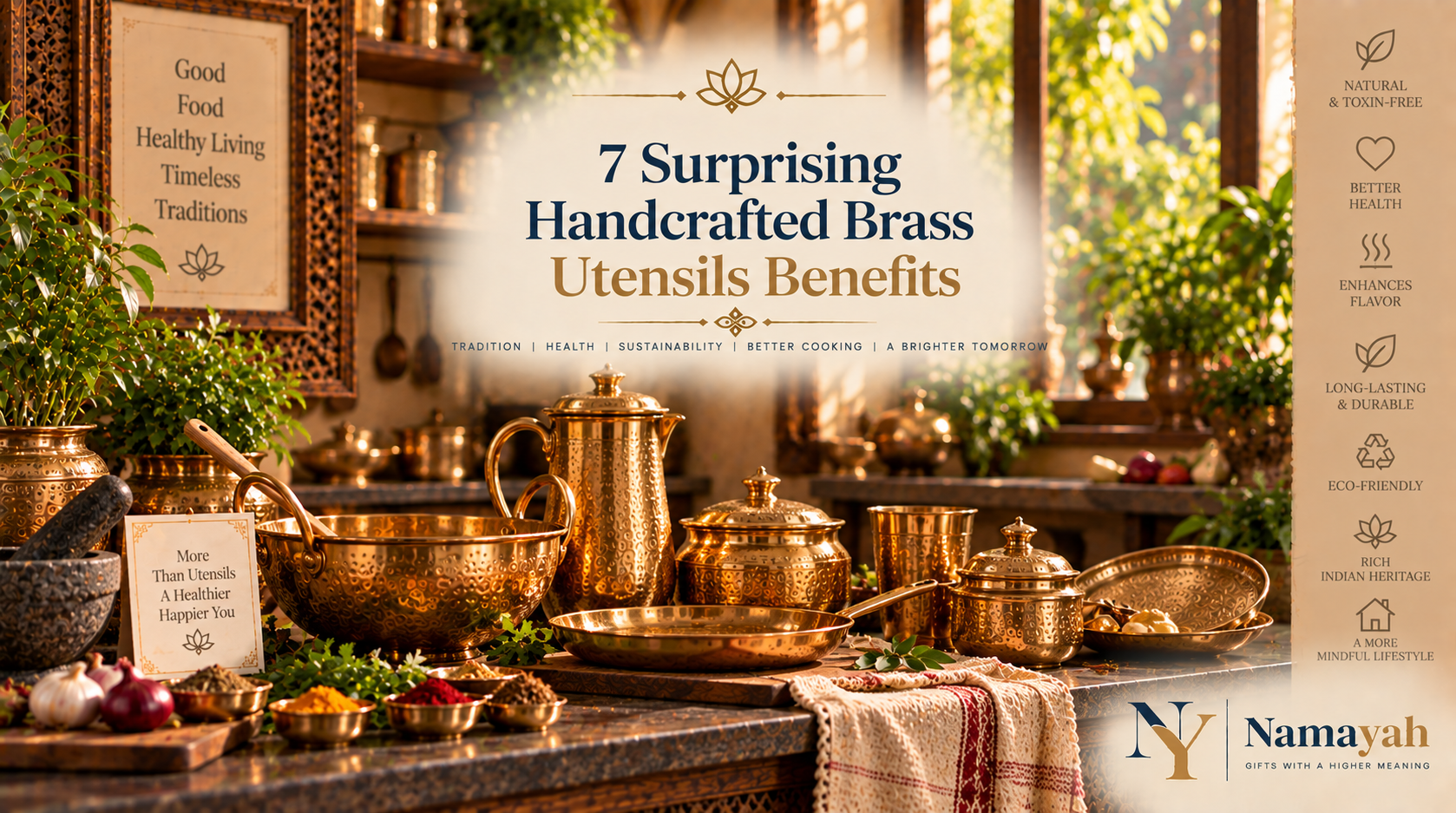
7 Surprising Handcrafted Brass Utensils Benefits
Handcrafted brass utensils offer a unique combination of antimicrobial health benefits, superior thermal conductivity, and a sophisticated aesthetic that modern alternatives cannot replicate. While many households shifted to stainless steel for convenience in recent decades, there is a significant resurgence in using "Pital" (brass) as people prioritize wellness and intentional living. Investing in handcrafted brass is not merely a design choice; it is a commitment to a healthier lifestyle and the preservation of ancient Indian craftsmanship.
Related: custom corporate gift boxes india
The Renaissance of Heritage: Handcrafted Brass Utensils Benefits
In the traditional Indian household, brass was never just a metal; it was a cornerstone of the kitchen. Known as Pital, this alloy of copper and zinc has been revered for centuries for its durability and its ability to enhance the quality of food. Today, we are witnessing a shift away from mass-produced, disposable kitchenware toward items that carry a soul. Handcrafted brass bridges the gap between ancient Ayurvedic wisdom and the requirements of a modern luxury home. Unlike factory-molded items, handcrafted pieces are forged with intent, offering a density and texture that feels substantial in the hand. This return to heritage is driven by a desire for products that are sustainable, beautiful, and functionally superior to industrial substitutes.
Holistic Wellness: Health Benefits of Brass Cookware
One of the most compelling handcrafted brass utensils benefits is the positive impact on physical health. According to Ayurveda, cooking and eating in brass help balance the three Doshas (Vata, Pitta, and Kapha).
- Antimicrobial Properties: Brass possesses natural oligodynamic effects. It can eliminate harmful bacteria, including E. coli and certain strains of Staphylococcus, making it a safer surface for food preparation.
- Trace Mineral Fortification: When you cook in brass, the metal slowly releases minute amounts of zinc and copper into the food. Zinc is vital for immune function and cell growth, while copper aids in iron absorption and heart health.
- Improved Digestion: Traditional practitioners believe that the alkaline nature of brass helps neutralize excessive acidity in food, potentially aiding digestion and metabolic health.
The Material Debate: Brass vs Stainless Steel Kitchenware
When comparing brass vs stainless steel kitchenware, the choice often boils down to performance versus convenience. While stainless steel is easy to maintain, it is a poor conductor of heat and offers zero nutritional value to the meal.
| Feature | Handcrafted Brass | Stainless Steel |
|---|---|---|
| Thermal Conductivity | Excellent; distributes heat evenly | Poor; prone to hot spots |
| Health Impact | Releases essential minerals (Zinc/Copper) | Biologically inert; no health benefits |
| Durability | Lasts for generations (Heirloom) | Can dent or scratch over time |
| Aesthetic | Warm, golden, "Living Patina" | Clinical, cold, industrial |
| Sustainability | 100% Recyclable and artisanal | Mass-produced with high carbon footprint |
The health benefits of brass cookware extend beyond the plate. Because brass retains heat longer than steel, food stays warm without constant reheating, preserving the delicate enzymes and nutrients that are often destroyed by repeated temperature changes.
A Legacy in Your Kitchen: Traditional Indian Brass Items
The soul of a brass utensil lies in its creation. The traditional indian brass items found in heritage collections are often produced using the "Thathera" technique—a specialized craft of hand-beating metal to achieve the desired shape and density. Iconic silhouettes like the Parat (a large, shallow kneading plate) or the Degchi (a versatile cooking pot) are designed for specific culinary functions. A hand-beaten surface isn't just for show; the indentations created by the artisan's hammer increase the surface area, which can subtly influence the heat distribution. Because each piece is made by hand, no two items are identical, making your kitchen tools a personal collection of functional art.
The Art of Hosting with Luxury Brass Serveware
Dining is a sensory experience, and luxury brass serveware elevates a meal into a ritual. There is a psychological weight to handcrafted metalware that communicates quality and respect to your guests. Modern luxury interior design often leans toward minimalism, which can sometimes feel cold. Integrating brass adds a layer of warmth and sophistication. Whether it is a heavy-bottomed brass platter or a set of intricately designed water tumblers, these items serve as conversation pieces. At Namayah, we refine these raw heritage techniques into contemporary designs that fit seamlessly into high-end, modern dining rooms while maintaining their ancestral roots.
Preserving the Glow: Caring for Your Brass Collection
A common misconception is that brass is difficult to maintain. While it does develop a "patina" (a natural darkening) over time due to oxidation, many collectors prefer this aged look as it tells the story of the vessel's use. However, if you prefer the original golden glow, maintenance is straightforward:
- Natural Cleansers: Use a paste of lemon and salt or tamarind pulp. The mild acidity breaks down the oxidation without scratching the metal.
- Avoid Dishwashers: The harsh chemicals and high heat of a dishwasher can strip the metal’s finish. Always hand wash with mild soap.
- Dry Immediately: To prevent water spots, wipe your utensils with a soft microfiber cloth immediately after washing.
- Storage: Store in a dry place. If you live in a highly humid environment, a light coating of food-grade oil can protect the surface during long periods of disuse.
Why Handcrafted Quality Outperforms Factory Casting
There is a distinct difference between a machine-molded brass pot and one that has been handcrafted. Factory-cast items often use thinner sheets of metal and may contain impurities to lower production costs. In contrast, handcrafted brass is denser. The process of hand-beating compresses the metal molecules, making the utensil more durable and less likely to warp under high heat. Furthermore, choosing handcrafted items directly supports artisan communities, ensuring that the 500-year-old lineage of Indian metalwork does not disappear. Every Namayah piece undergoes rigorous quality checks to ensure it meets the standards of both ancient tradition and modern luxury. Choosing handcrafted brass utensils benefits more than just your kitchen's aesthetic. It is a decision to prioritize wellness, support sustainable artistry, and bring a piece of living history into your home. By moving away from the clinical nature of industrial steel, you embrace a lifestyle that is grounded, healthy, and timeless.