
How to Create a Warm Kitchen with Wooden and Metal Accents
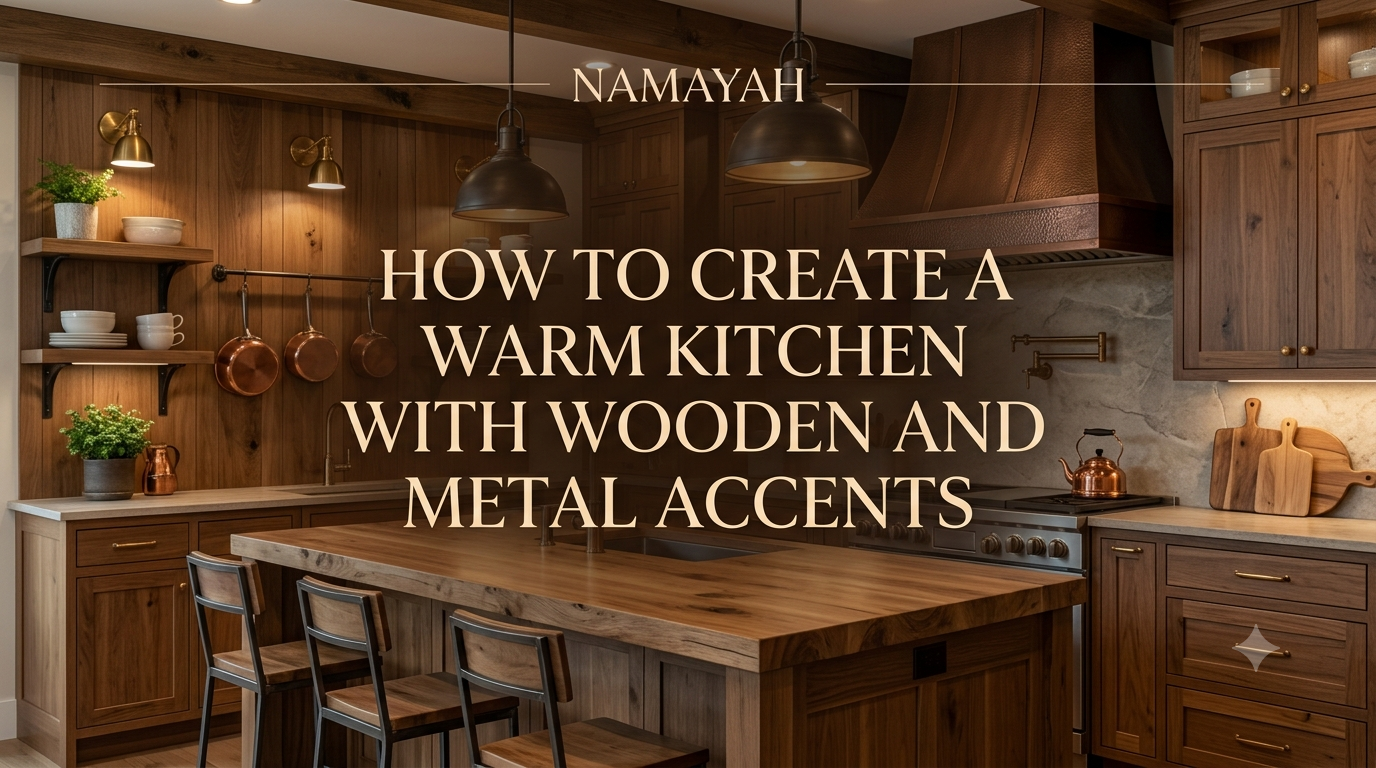
A warm kitchen doesn’t require an entirely traditional design. By combining natural wood with carefully chosen metal accents, you can create a space that feels inviting, functional, and contemporary. The key is balance: use wood to introduce natural texture and warmth, then add metal through hardware, lighting, fixtures, or furniture for contrast and definition.
Why Wood and Metal Work So Well Together
Wood and metal create an appealing contrast because they bring different visual qualities to the same space.
Wood has natural variation, grain, and texture. It can make a kitchen feel comfortable and grounded. Metal, meanwhile, introduces clean lines, reflective surfaces, and a more refined architectural quality.
Rather than treating the materials as competing elements, think of them as complementary layers.
For example, warm wood cabinetry can be paired with brushed metal handles, a metal pendant light, and a simple stone countertop. The wood prevents the metal from feeling too industrial, while the metal gives the natural material a sharper contemporary edge.
Choose a Warm Wood Foundation
The easiest way to establish warmth is to make wood one of the kitchen’s primary materials.
You can introduce it through:
- Cabinet doors
- Kitchen islands
- Open shelving
- Ceiling details
- Bar stools
- Cutting boards and accessories
- Dining furniture
- Decorative wall elements
The wood tone you choose matters. Honey, oak, walnut, and other naturally warm-looking finishes can create different moods.
A lighter wood can make the kitchen feel bright and relaxed, while deeper wood tones can create a richer and more dramatic atmosphere.
You don’t necessarily need every wooden element to match perfectly. In fact, carefully combining related wood tones can make a kitchen feel more layered and natural.
Keep the Wood Grain Visible
When possible, let the natural character of the wood contribute to the design.
Strong grain patterns can become a visual feature, particularly on an island or a section of cabinetry. If the kitchen already contains many patterns, however, a simpler wood finish may create better balance.
The goal is not to add as much wood as possible. It is to use enough natural texture to make the room feel inviting.
Select the Right Metal Finish
Metal accents provide contrast, but the finish can dramatically change the overall mood.
Common choices include:
- Brushed brass
- Aged brass
- Stainless steel
- Matte black
- Bronze
- Copper
- Brushed nickel
Warm metallic finishes such as brass and bronze can reinforce the cozy character of wood. Matte black can create stronger contrast and give a wood-heavy kitchen a modern edge.
Stainless steel and other cooler metals can also work, particularly when you want a cleaner contemporary appearance.
Instead of choosing a metal simply because it is fashionable, consider the atmosphere you want to create.
Create Balance Between Wood and Metal
One of the most important principles is proportion.
If every surface contains wood, the kitchen can begin to feel visually heavy. If metal dominates the room, the space may lose some of the softness you’re trying to create.
A useful approach is to choose one material as the visual foundation and use the other for accents.
For example:
Wood: cabinetry and island
Metal: handles, faucets, pendant lights, and stools
Neutral material: countertop and backsplash
This creates a clear hierarchy rather than making every material compete for attention.
Use Wooden Cabinets to Add Character
Cabinetry usually occupies a significant amount of visual space, making it one of the strongest opportunities to introduce warmth.
Natural wood cabinets can work particularly well in kitchens with white, cream, beige, or muted neutral walls.
If full wood cabinetry feels too heavy, consider combining materials. You could use wood on the island while keeping the perimeter cabinets in a light neutral finish.
Another option is to use wood on selected cabinet sections rather than throughout the entire kitchen.
This creates contrast while keeping the room visually open.
Add Metal Through Hardware
Changing cabinet hardware is one of the simplest ways to introduce metal.
Handles and knobs may be small, but they repeat throughout the kitchen, making their finish noticeable.
For a warm appearance, consider brass, bronze, or softer metal finishes. For a more dramatic contemporary style, black hardware can contrast beautifully with natural wood.
Keep the hardware style consistent with the overall kitchen. Simple pulls tend to suit contemporary spaces, while more decorative hardware can support traditional or transitional designs.
Introduce Metal Lighting Fixtures
Lighting is another effective way to combine the two materials.
A metal pendant above a wooden island can become a focal point while connecting the kitchen’s different finishes.
Consider pendant lights with:
- Metal shades
- Metal frames
- Warm-toned finishes
- Simple geometric forms
The fixture doesn’t have to be large to make an impact. Repetition can also work well, such as two or three smaller pendants arranged above an island.
Remember that decorative lighting is only one part of the lighting plan. General illumination and task lighting are equally important for a functional kitchen.
Warm Up a Kitchen Island
The kitchen island is an ideal place to emphasize the relationship between wood and metal.
A wooden island can act as the warm centerpiece of a kitchen, while metal stools, pendant lights, or hardware add contrast.
For example, imagine a kitchen with neutral cabinetry, a wood island, dark metal stools, and simple metal pendant fixtures. Each material has a defined role, creating a cohesive composition.
If the island is already neutral, consider introducing warmth through wooden bar stools or a timber countertop section.
Combine Wood and Metal with Countertops
Countertops provide another opportunity to connect materials.
Natural-looking stone, engineered surfaces, or other neutral countertop materials can act as a bridge between warm wood and metal.
If your cabinetry has a strong wood grain, a relatively calm countertop can prevent the design from becoming too busy.
Likewise, if the kitchen has a minimalist wood finish, a countertop with subtle natural variation can introduce additional texture.
Think of the countertop as a connecting surface rather than another competing feature.
Add Warmth with Open Shelving
Open wooden shelves can soften a kitchen dominated by hard surfaces.
They also provide an opportunity to display everyday objects, ceramics, cookbooks, plants, and decorative pieces.
Metal shelf brackets can reinforce the overall theme. For instance, wooden shelves with black brackets can create a modern industrial character, while brass hardware can produce a softer and more traditional impression.
Avoid overcrowding the shelves. A small selection of useful and attractive objects often looks more intentional than a shelf packed from end to end.
Use Color to Connect the Materials
Color can make wood and metal feel like part of the same design.
Warm neutrals are especially useful. Consider shades such as:
- Cream
- Beige
- Taupe
- Warm gray
- Terracotta
- Muted green
- Soft brown
The right wall color, backsplash, textiles, and accessories can create visual links between the major materials.
For example, warm neutral walls can support both natural wood and aged metal without introducing another strong competing color.
Layer Lighting for a Cozy Atmosphere
Even beautifully selected materials can feel cold if the lighting is poorly planned.
A warm kitchen benefits from multiple layers of light rather than relying on one central fixture.
Consider combining:
- Ambient lighting for overall illumination
- Task lighting for work surfaces
- Accent lighting for shelves, cabinetry, or architectural features
- Decorative lighting for visual character
Under-cabinet lighting can highlight backsplashes and countertops, while pendant fixtures can draw attention to the island.
The objective is to make the kitchen comfortable at different times of day, not simply to illuminate every surface equally.
Common Design Mistakes to Avoid
Using Too Many Metal Finishes
Mixing finishes can add character, but too many unrelated metals can make the room look unplanned.
Choose a primary metal finish and, if you introduce another, make sure there is a clear reason for the combination.
Making Every Surface Wood
Wood is an excellent source of warmth, but excessive use can overwhelm the room.
Use neutral surfaces to give the eye a place to rest.
Choosing Materials Without Considering Undertones
Wood can have warm, neutral, or cooler visual undertones. The same applies to paint, countertops, flooring, and metals.
Before making final selections, look at samples together under the lighting conditions in your kitchen.
Ignoring Function
A beautiful kitchen still needs to work well.
Hardware should be comfortable to use, lighting should illuminate work areas, and materials should suit the practical demands of the space.
Design decisions should support everyday use rather than simply creating a particular appearance.
Simple Ways to Update an Existing Kitchen
You don’t always need a complete renovation to introduce wood and metal accents.
Try smaller changes such as:
- Replacing cabinet hardware
- Adding wooden cutting boards and serving pieces
- Installing open wood shelves
- Changing pendant lights
- Adding wooden counter stools
- Introducing a wood-framed mirror or artwork
- Using metal planters or accessories
- Adding warm textiles
- Replacing selected cabinet fronts
- Installing under-cabinet lighting
These smaller updates can help you test a style before committing to a larger project.
Frequently Asked Questions
Is wood and metal a good combination for a kitchen?
Yes. Wood and metal can create a balanced kitchen aesthetic because wood contributes natural texture and warmth while metal provides contrast and structure. The key is to coordinate finishes and maintain a clear visual hierarchy.
What metal looks best with warm wood?
Brass, bronze, and other warm-toned finishes can complement warm wood particularly well. Matte black can also create attractive contrast, while stainless steel works well for a cleaner contemporary look.
How do I make a modern kitchen feel warmer?
Introduce natural materials, warm neutral colors, layered lighting, wood accents, and textured accessories. Wooden cabinetry or an island can make a particularly strong difference.
Can I mix different wood tones in one kitchen?
Yes, but the tones should have a deliberate relationship. Use one dominant wood finish and introduce another as an accent rather than giving multiple competing finishes equal prominence.
Does black metal work with wooden cabinets?
Yes. Black metal can provide strong definition against natural wood and works especially well in contemporary, modern farmhouse, and industrial-inspired kitchens.
How can I add warmth without replacing my cabinets?
Start with smaller changes such as wooden accessories, open shelving, stools, lighting, cabinet hardware, and warm textiles. These can change the atmosphere without requiring a full cabinet replacement.
What colors complement wood and metal in a kitchen?
Warm whites, creams, beige, taupe, muted greens, terracotta, and soft browns can work well. The best choice depends on the wood tone, metal finish, natural light, and other surfaces already present.
How many metal finishes should a kitchen have?
There is no universal rule, but limiting the number of prominent finishes can make the design feel more cohesive. Select one primary finish and introduce additional finishes only when they complement the overall scheme.
Conclusion
Creating a warm kitchen with wooden and metal accents is primarily about balance. Wood introduces natural character and softness, while metal adds contrast, structure, and contemporary detail.
Start with a clear foundation, such as warm wood cabinetry or an island. Then introduce metal through hardware, lighting, fixtures, or furniture. Complete the look with complementary colors, practical surfaces, and layered lighting.
Most importantly, choose materials that work together rather than selecting every element independently. A thoughtful combination of textures, finishes, and proportions can turn an ordinary kitchen into a comfortable and visually cohesive space.