
How to Maintain the Shine and Character of Brass Décor
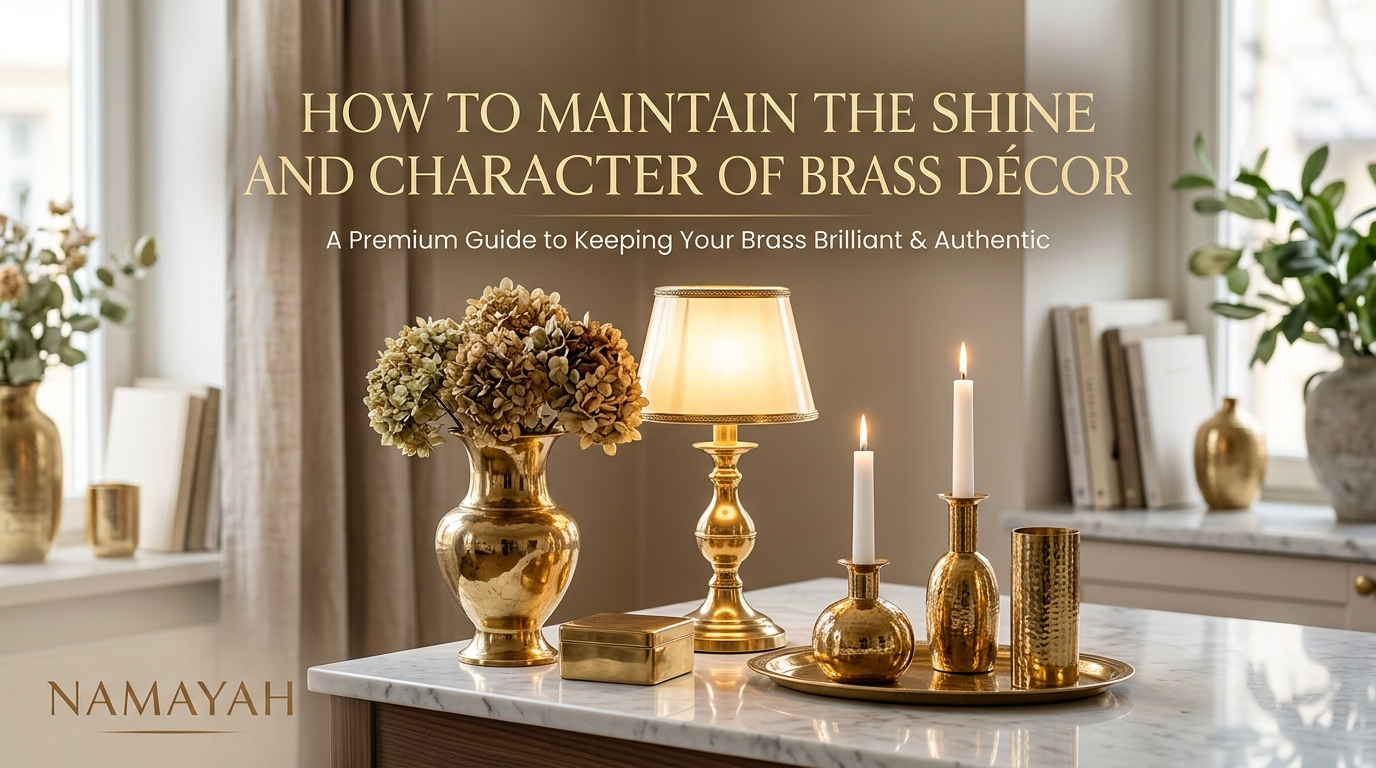
Brass décor can add warmth, texture, and timeless appeal to an interior. From decorative bowls and candleholders to lamps, trays, mirrors, and sculptures, brass works well with both classic and contemporary styles. However, maintaining its beauty requires more than simply polishing it whenever it looks dull.
The best brass-care routine depends on the item’s finish and the appearance you want to preserve. Some pieces look best with a bright, reflective surface, while others are intentionally aged and develop a soft patina over time. Gentle cleaning, careful polishing, and proper storage can help maintain brass décor without unnecessarily removing its character.
Why Brass Décor Changes Over Time
Brass is an alloy primarily made from copper and zinc. Like many metal surfaces, it can react with moisture, oxygen, oils from hands, and environmental conditions.
One common result is tarnish, which can make a previously bright surface appear darker or less reflective. This does not necessarily mean the brass is damaged. In many cases, it is simply part of the material’s natural aging process.
Some brass pieces also develop patina. Patina refers to the gradual change in a metal’s surface appearance over time. On decorative brass, it can create deeper tones and subtle variations that contribute to an antique or lived-in look.
Before cleaning your brass décor, decide whether your goal is to restore maximum shine or preserve some of its aged character.
Identify Your Brass Finish First
Not every brass object should be cleaned or polished in exactly the same way.
Your décor may feature:
- Unlacquered brass: The surface can naturally tarnish and develop patina.
- Lacquered brass: A protective coating helps reduce direct exposure of the metal to the environment.
- Polished brass: Designed to have a brighter, more reflective appearance.
- Antiqued or aged brass: Intentionally finished to create a darker, more weathered appearance.
- Brass-plated décor: A thin layer of brass covers another material, making aggressive cleaning particularly risky.
If you’re unsure about the finish, check the manufacturer’s care instructions first. For a valuable, antique, plated, or unusually finished piece, professional advice may be preferable to experimentation.
How Often Should You Clean Brass Décor?
There is no single cleaning schedule that works for every brass item.
Instead, clean brass décor when it has visible dust, fingerprints, residue, or unwanted tarnish. Frequently handled objects may need attention more often than decorative pieces that remain untouched.
A simple maintenance routine is usually better than frequent aggressive polishing. Over-cleaning can remove desirable surface character, and abrasive products can potentially affect the finish.
For many pieces, regular dusting and occasional gentle cleaning are enough to keep them looking attractive.
How to Clean Brass Décor Gently
Dust Before You Clean
Start by removing loose dust with a soft, dry microfiber cloth or another non-abrasive cloth.
Do not immediately rub a dusty surface vigorously. Small particles can create unnecessary friction against the finish. A light dusting first makes the subsequent cleaning process gentler.
Pay attention to decorative details, grooves, handles, and textured areas where dust can accumulate.
Use Mild Soap and Water
For suitable brass surfaces, a simple solution of mild soap and lukewarm water can be an appropriate starting point.
Dampen a soft cloth rather than soaking the brass item. Gently wipe the surface to remove fingerprints, everyday grime, and light residue.
Avoid leaving brass submerged or excessively wet, particularly when the object contains wood, fabric, electrical components, adhesives, or other materials that can be affected by water.
Dry the Surface Thoroughly
After cleaning, use a clean, soft cloth to dry the surface completely.
Water spots can detract from an otherwise clean finish, while moisture left in seams or crevices may create additional problems. Take extra care around joints, decorative details, and recessed areas.
The goal is simple: clean gently, use as little moisture as practical, and leave the surface dry.
How to Polish Brass Without Losing Its Character
If your brass décor is intended to have a bright finish, polishing can restore some of its original visual appeal.
Before applying any brass polish, read the product instructions and confirm that it is suitable for the particular finish. Test any cleaning or polishing method on a small, inconspicuous area first.
Use a soft cloth and gentle pressure rather than aggressively scrubbing the surface. Abrasive pads, rough brushes, and excessive rubbing can affect finishes and may be particularly unsuitable for plated or intentionally aged pieces.
When polishing decorative brass with intricate details, avoid assuming that every dark area is tarnish that needs to be removed. Some darker areas may be part of an intentional finish or contribute to the object’s visual depth.
A good brass-care approach should restore the appearance you want—not necessarily make every surface look brand new.
Should You Keep or Remove Brass Patina?
Whether to preserve patina is primarily an aesthetic decision.
If you prefer a crisp, polished interior style, you may want to remove unwanted tarnish periodically and maintain a brighter appearance.
If your décor has an antique, rustic, traditional, or collected look, preserving some patina can add depth and character. A naturally aged brass finish can also complement other materials such as wood, stone, leather, and textiles.
Before polishing, ask yourself:
Is this discoloration unwanted tarnish, or is it part of the character I want to keep?
That simple question can prevent unnecessary cleaning.
For antique or collectible pieces, preserving the existing finish may be more important than achieving a highly polished appearance. When an item’s history or value matters, avoid aggressive DIY restoration unless you know exactly what finish you are working with.
Common Brass-Care Mistakes to Avoid
Some cleaning habits can do more harm than good. Avoid these common mistakes when maintaining brass décor.
Using Abrasive Materials
Steel wool, rough scouring pads, and abrasive brushes can scratch or alter a brass surface. Choose soft cleaning cloths whenever possible.
Polishing Without Checking the Finish
A polishing product that works for one type of brass may not be appropriate for another. Always identify the finish and follow the manufacturer’s guidance when available.
Scrubbing Too Hard
More pressure does not necessarily mean better cleaning. Gentle, controlled wiping is generally preferable to aggressive scrubbing.
Leaving Brass Wet
Excess moisture can create water marks and may affect surrounding materials. Dry brass thoroughly after cleaning.
Removing All Dark Areas Automatically
Darkened areas may be part of an aged or intentionally finished appearance. Consider the desired look before attempting to remove them.
Ignoring Manufacturer Instructions
Care instructions can vary considerably between products. If the manufacturer specifies a particular cleaning method, prioritize that guidance.
How to Protect Brass Décor Between Cleanings
Good maintenance is not only about cleaning. Everyday handling and placement can also affect the appearance of brass décor.
Handle frequently touched pieces with clean, dry hands when practical. Oils and residue from skin can contribute to surface changes over time.
Keep brass décor away from excessive moisture where possible. In rooms such as bathrooms, increased humidity may influence how quickly an unlacquered brass surface changes.
When storing brass pieces, use clean, dry materials and avoid environments where condensation or prolonged moisture is likely.
For lacquered pieces, avoid treating the surface as though it were bare brass. The protective coating itself needs gentle care.
If a decorative object includes glass, wood, stone, fabric, or electrical components, clean each material according to its own care requirements rather than applying one solution to the entire item.
Caring for Different Brass Décor Pieces
Different decorative objects can require slightly different approaches.
Brass candleholders: Remove wax carefully without scratching the surface. Once the wax is gone, gently clean and dry the brass according to its finish.
Brass trays: Because trays are frequently handled, they may accumulate fingerprints and residue. Regular dusting and gentle wiping can reduce the need for heavy polishing.
Brass lamps: Disconnect electrical items from power before cleaning and keep moisture away from electrical components. Follow the manufacturer’s instructions for the lamp’s finish.
Brass sculptures: Sculptural pieces often contain textured surfaces where patina contributes to the overall appearance. Avoid aggressive polishing that could flatten visual variations.
Brass hardware: Handles and pulls receive frequent contact, so routine cleaning may be more useful than occasional intensive polishing.
Brass mirrors and frames: Take care around glass and adjacent finishes. Apply cleaning products to a cloth rather than indiscriminately spraying the entire object.
A Simple Brass Maintenance Routine
A practical routine can keep brass décor looking attractive without turning maintenance into a major project.
Step 1: Dust regularly.
Use a soft, dry cloth to remove surface dust.
Step 2: Inspect the finish.
Determine whether the piece is bright, lacquered, plated, antiqued, or naturally developing patina.
Step 3: Clean gently when needed.
For compatible surfaces, use mild soap and water with a soft cloth.
Step 4: Dry completely.
Remove remaining moisture with a clean cloth.
Step 5: Polish selectively.
Only polish when restoring additional shine is appropriate for the finish and desired appearance.
Step 6: Preserve character intentionally.
Do not remove every darkened area simply because it looks different from new brass.
Step 7: Follow product-specific instructions.
When in doubt, manufacturer guidance should take priority.
This approach makes brass care more deliberate. Instead of trying to keep every item perfectly shiny at all times, you can maintain the finish according to the style and character of each piece.
Frequently Asked Questions
How do I keep brass décor shiny?
Dust brass regularly with a soft cloth and clean it gently when needed. If the finish is suitable for polishing, use a brass polish according to its instructions. Avoid abrasive materials and excessive scrubbing.
Why does my brass décor turn dark?
Unlacquered brass can naturally change color as its surface reacts with its environment. Tarnish and patina can create darker or less reflective areas over time.
Should I polish brass every time it looks dull?
Not necessarily. Frequent polishing may be unnecessary and can remove surface character. First determine whether the dullness is unwanted tarnish or an intentional or desirable aged appearance.
Can I clean brass with soap and water?
For many suitable brass surfaces, mild soap and water can be a gentle cleaning option. Use limited moisture, avoid soaking items that contain other sensitive materials, and dry the surface thoroughly afterward.
How can I tell whether brass is lacquered?
Lacquered brass has a protective coating over the metal, so it may not respond to cleaning and polishing in the same way as unlacquered brass. Manufacturer information is the most reliable way to identify the finish when available.
Is brass patina a bad thing?
No. Patina is often considered part of the visual character of aged brass. Whether you keep or remove it depends on the desired appearance and the nature of the piece.
What should I avoid when cleaning brass?
Avoid abrasive pads, harsh scrubbing, unsuitable chemical cleaners, and polishing products that are incompatible with the finish. Also avoid assuming that every darkened area needs to be removed.
How often should brass décor be polished?
There is no universal schedule. Polish when the item’s appearance calls for it and when polishing is appropriate for its finish. Regular gentle dusting and cleaning can reduce the need for frequent intensive polishing.
Conclusion
Maintaining the shine and character of brass décor is about finding the right balance between cleaning and preservation. Regular dusting, gentle cleaning, thorough drying, and careful polishing can help keep suitable brass pieces looking their best.
At the same time, not every change in color needs to be corrected. Tarnish and patina can be part of what makes brass décor distinctive. Before reaching for polish, identify the finish and decide whether you want a bright surface or the depth of naturally aged brass.
With a thoughtful maintenance routine, brass décor can remain an attractive and characterful part of an interior for years to come.