
How to Give Your Home a Boutique Hotel-Inspired Look
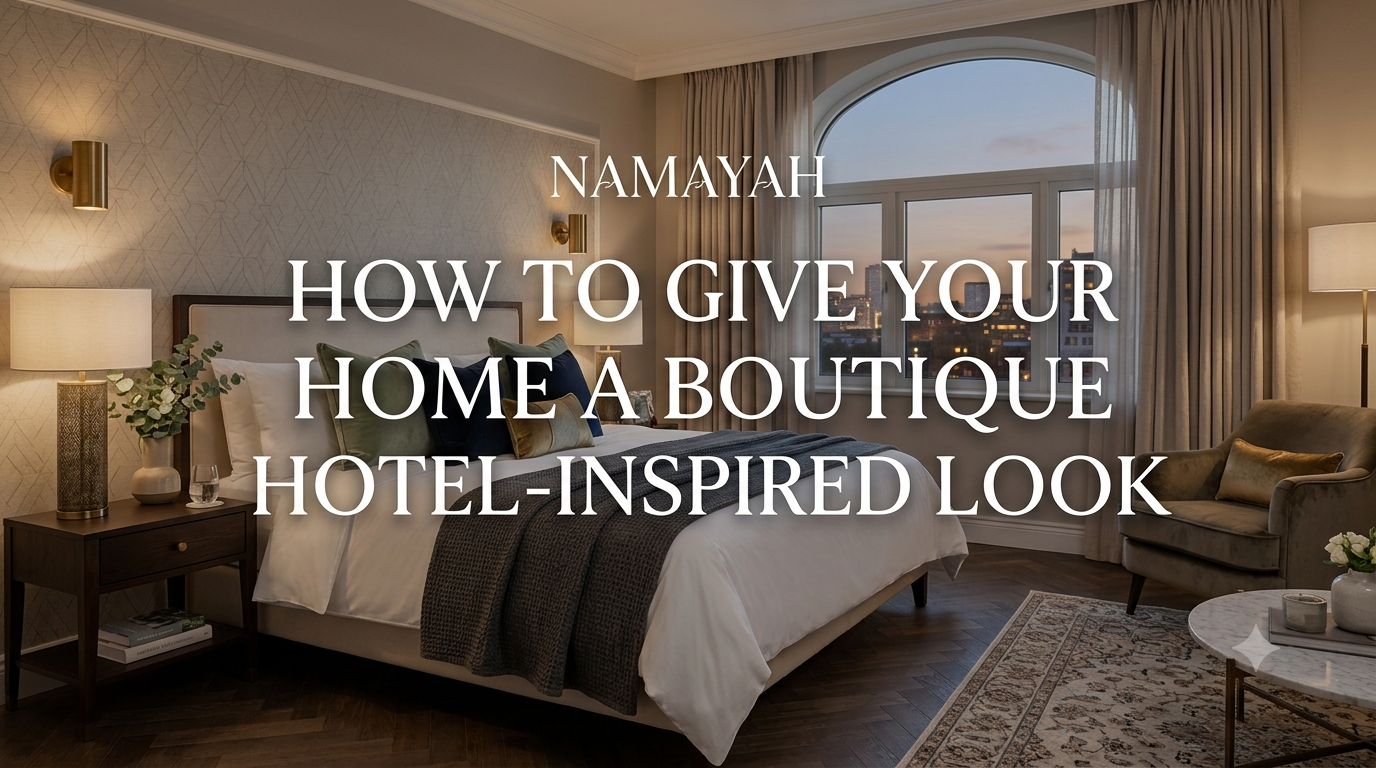
There is something instantly appealing about a well-designed boutique hotel. The lighting feels warm, the bedding looks inviting, the furniture feels intentional, and even small decorative details seem carefully chosen. The good news is that you can bring many of those qualities into your own home without turning it into a replica of a hotel.
The secret is to focus less on expensive décor and more on atmosphere, consistency, comfort, texture, and thoughtful details. Boutique hotel-inspired interiors typically feel polished but personal rather than overly perfect. Recent interior design coverage also emphasizes layered lighting, tactile materials, rich woods, reflective surfaces, and personalized details as ways to create depth and character.
Here are practical ways to give your home a boutique hotel-inspired look.
What Makes a Home Feel Like a Boutique Hotel?
A boutique hotel-inspired home usually combines five elements:
- A cohesive color palette
- Multiple layers of lighting
- Comfortable, high-quality-looking textiles
- Carefully selected furniture and décor
- Minimal visual clutter
The goal is not to make every room look luxurious in an obvious way. Instead, each room should feel calm, comfortable, curated, and distinctive.
Boutique hotels also tend to use design to create an experience. Designers often combine materials, artwork, lighting, and furniture to give a space a recognizable personality rather than relying on generic décor.
Start With a Cohesive Color Palette
One of the easiest ways to make a home feel more sophisticated is to limit the number of dominant colors.
Warm whites, ivory, beige, taupe, soft gray, muted green, brown, and earthy tones can create a calm foundation. If you prefer a more dramatic boutique hotel aesthetic, consider deeper shades such as charcoal, navy, forest green, burgundy, or chocolate brown.
You do not need to use the same color throughout the entire house. Instead, create a visual connection between rooms by repeating one or two colors.
For example, you might use:
- Warm white walls
- Walnut or dark wood furniture
- Cream upholstery
- Muted green accessories
- Aged brass or bronze accents
This creates consistency without making the interior look overly coordinated.
Layer Lighting for a Softer Atmosphere
Lighting is one of the most important parts of a boutique hotel-inspired interior.
Instead of depending on one bright ceiling fixture, use several light sources at different heights. Interior design guidance commonly recommends combining ambient, task, and accent lighting to create flexibility and atmosphere.
Try combining:
- Ambient lighting for general illumination
- Table or floor lamps for warmth
- Task lighting for reading or working
- Accent lighting to highlight artwork or architectural features
- Decorative lighting for visual interest
Where practical, use dimmers so you can change the mood throughout the day.
Bedside lamps, wall sconces, floor lamps, and small accent lights can make an especially noticeable difference in bedrooms and living rooms.
Upgrade Your Textiles
Texture can make an ordinary room feel considerably more inviting.
Think beyond matching cushions and curtains. Combine materials that feel different to the touch, such as linen, cotton, wool, velvet, leather, wood, and woven fibers.
In a living room, for example, you could combine:
- A textured area rug
- Linen or cotton cushions
- A soft throw
- Upholstered furniture
- A wooden coffee table
- One tactile decorative object
The objective is layering rather than accumulation. Too many textures can make the room feel busy, while a thoughtful combination creates depth.
Make the Bed the Bedroom’s Focal Point
If you want to create a boutique hotel-inspired bedroom, start with the bed.
A well-styled bed can immediately change the appearance of the room. Choose quality-looking bedding in a restrained palette and layer it with pillows, a duvet or coverlet, and a textured throw.
Crisp cotton, percale, washed linen, and quilted textiles can all work depending on the style you want. Current bedroom design guidance continues to emphasize layered bedding, tactile fabrics, and calm palettes as key ingredients in creating a relaxing retreat.
Keep the arrangement intentional rather than covering the entire bed with decorative cushions.
A substantial headboard can also create a strong focal point. Upholstered, wood, fluted, or architecturally interesting headboards can give the room a more finished appearance.
Choose Furniture With Personality
Boutique hotels often stand out because their furniture does not feel completely generic.
You can create a similar effect by mixing contemporary pieces with vintage-inspired furniture, natural wood, sculptural chairs, or distinctive side tables.
Rather than buying an entire matching bedroom or living-room set, consider selecting individual pieces that complement one another.
For example, pair:
- A simple sofa with a sculptural side table
- A modern bed with vintage-style bedside tables
- A classic armchair with a contemporary floor lamp
- A simple dining table with distinctive chairs
This approach makes the room feel collected rather than showroom-perfect.
Use Artwork to Create a Curated Feel
Artwork can give your home the personality that separates a boutique hotel-inspired interior from generic luxury décor.
Instead of filling every wall, choose a few pieces that have visual impact. Large artwork can work particularly well above a sofa, bed, console, or dining table.
You can also create a small gallery arrangement using photographs, paintings, prints, or objects with a common visual connection.
The key is to select artwork that reflects your taste. A boutique-inspired home should still feel like your home, not an anonymous hotel room.
Add Mirrors and Reflective Details
Mirrors can make a room feel brighter and visually more spacious while also adding an elegant decorative element.
Consider a large mirror above a console, a full-length mirror in the bedroom, or a decorative mirror in the entryway.
You can also introduce subtle reflective finishes through:
- Brass or bronze hardware
- Glass tables
- Metallic picture frames
- Mirrored trays
- Polished stone
- Glossy ceramics
Use reflective materials selectively. A few considered details usually create more sophistication than covering the room in shiny finishes.
Keep Surfaces Edited and Clutter-Free
Boutique hotel rooms often feel calm because the eye has somewhere to rest.
That does not mean your home needs to be minimalist. Instead, edit what remains visible.
On a coffee table, for example, you might use a small stack of books, a decorative object, and a vase. On a bedside table, keep only the items you actually need.
Use closed storage, baskets, drawers, and decorative boxes to control everyday clutter.
This principle is especially useful in small rooms. Removing unnecessary visual noise can make a space feel more spacious without changing its footprint.
Bring in Scent and Other Sensory Details
A boutique hotel experience is not purely visual. Scent, touch, sound, and comfort can all influence how a space feels.
A subtle home fragrance can create an intentional atmosphere. Depending on your preference, consider fresh, woody, herbal, citrus, or softly floral scents.
Other sensory upgrades can include:
- Soft towels
- Comfortable rugs
- Pleasant bedding
- Fresh flowers or greenery
- A comfortable reading chair
- Soft background music
- Natural materials
The goal is to make everyday routines feel more considered.
Style the Bathroom Like a Boutique Hotel
You do not need a major bathroom renovation to make it feel more polished.
Start with fresh, coordinated towels. Roll or fold them neatly and keep excess products out of sight.
Then consider adding:
- A simple tray for everyday essentials
- A decorative mirror
- A small plant
- Attractive soap or lotion dispensers
- Soft bath mats
- Warm, flattering lighting
If you have the budget for a larger update, changing hardware, lighting, mirrors, or wall finishes can have a greater visual impact than adding lots of accessories.
Create a Welcoming Entryway
Your entryway sets the tone for the rest of your home.
A boutique hotel-inspired entrance should feel intentional without being overloaded.
A console table, mirror, small lamp, artwork, runner, or carefully chosen decorative object can be enough.
Give everyday items such as keys, shoes, bags, and mail a designated storage location. This keeps the entrance visually calm and makes the home feel more organized as soon as you walk through the door.
Mix Luxury With Personal Character
One of the biggest mistakes people make with this style is creating a room that looks expensive but feels impersonal.
Boutique hotels are often memorable precisely because they have a distinct identity. Your home should have one too.
Display books you actually enjoy. Use artwork that means something to you. Include travel finds, vintage objects, family pieces, or handmade items.
You can still maintain a sophisticated aesthetic while allowing personality into the space.
The best approach is curated rather than copied.
Boutique Hotel Style on a Budget
You do not have to replace everything at once.
Start with the changes that affect the atmosphere most.
If you have a small budget
Focus on:
- Better-looking bedding
- New lampshades or table lamps
- Coordinated cushions
- A textured throw
- Decluttering
- Fresh towels
- Artwork
- Greenery
If you have a moderate budget
Consider:
- An area rug
- A statement headboard
- New curtains
- A large mirror
- Better bedside lighting
- A distinctive accent chair
- Updated hardware
If you have a larger budget
You could explore:
- Custom built-ins
- Architectural wall treatments
- Bespoke furniture
- Higher-quality flooring
- Integrated lighting
- Premium bathroom finishes
Prioritize the upgrades you will see and use every day.
Common Mistakes to Avoid
Creating a boutique hotel-inspired home is about restraint as much as decoration.
Avoid these common mistakes:
Using too many colors: A restrained palette usually feels more cohesive.
Relying on one overhead light: Multiple light sources create much more flexibility.
Overloading the room with décor: A few strong pieces can have more impact than dozens of small accessories.
Making everything match: Coordinated does not have to mean identical.
Choosing style over comfort: A beautiful chair that nobody wants to sit in does not improve the experience.
Copying a hotel exactly: Take inspiration from hospitality design, but retain your own personality.
Ignoring practical storage: Clutter can quickly undermine an otherwise polished interior.
FAQs
How can I make my home look like a boutique hotel?
Start with a cohesive color palette, layered lighting, comfortable textiles, edited décor, and distinctive furniture. Focus on creating a calm and intentional atmosphere rather than simply buying expensive accessories.
What colors make a home feel like a luxury hotel?
Warm neutrals such as ivory, beige, taupe, brown, and soft gray are versatile choices. Muted greens, navy, charcoal, and other deeper tones can add drama when used selectively.
How do I make my bedroom feel like a boutique hotel?
Make the bed the focal point with attractive layered bedding, add multiple lighting sources, reduce visible clutter, introduce tactile materials, and use artwork or a statement headboard to create personality.
Does boutique hotel style have to be expensive?
No. Some of the most effective changes are relatively inexpensive, including decluttering, improving lighting, updating bedding, adding textiles, and choosing a few distinctive decorative pieces.
What type of lighting is best for a boutique hotel look?
Use a combination of ambient, task, and accent lighting. Table lamps, floor lamps, bedside lights, wall sconces, and dimmable fixtures can create a softer and more adaptable atmosphere than a single overhead light.
How do I make a small room feel more luxurious?
Keep the color palette simple, control clutter, use appropriately scaled furniture, introduce layered lighting, and add one or two strong focal points such as artwork, a mirror, or a textured headboard.
Should everything in a boutique hotel-inspired home match?
No. A coordinated palette and repeated materials can connect the rooms, but mixing furniture styles, textures, and personal objects helps the interior feel more distinctive.
What makes a home feel luxurious without looking overdone?
Comfort, proportion, lighting, texture, and restraint are more important than having lots of expensive-looking objects. Choose fewer pieces and give them enough space to stand out.
Conclusion
Giving your home a boutique hotel-inspired look is less about spending more and more about designing with intention.
Begin with a cohesive palette, then build atmosphere through layered lighting, tactile textiles, comfortable furniture, curated artwork, and controlled clutter. Give bedrooms and bathrooms extra attention, but do not overlook transitional spaces such as the entryway.
Most importantly, avoid creating a home that looks like a generic hotel. Take the principles that make boutique hotels appealing—comfort, atmosphere, personality, and thoughtful detail—and reinterpret them around your own lifestyle.
The result should feel polished enough to be special, but personal enough to feel completely at home.