
Creating a Sustainable and Stylish Kitchen
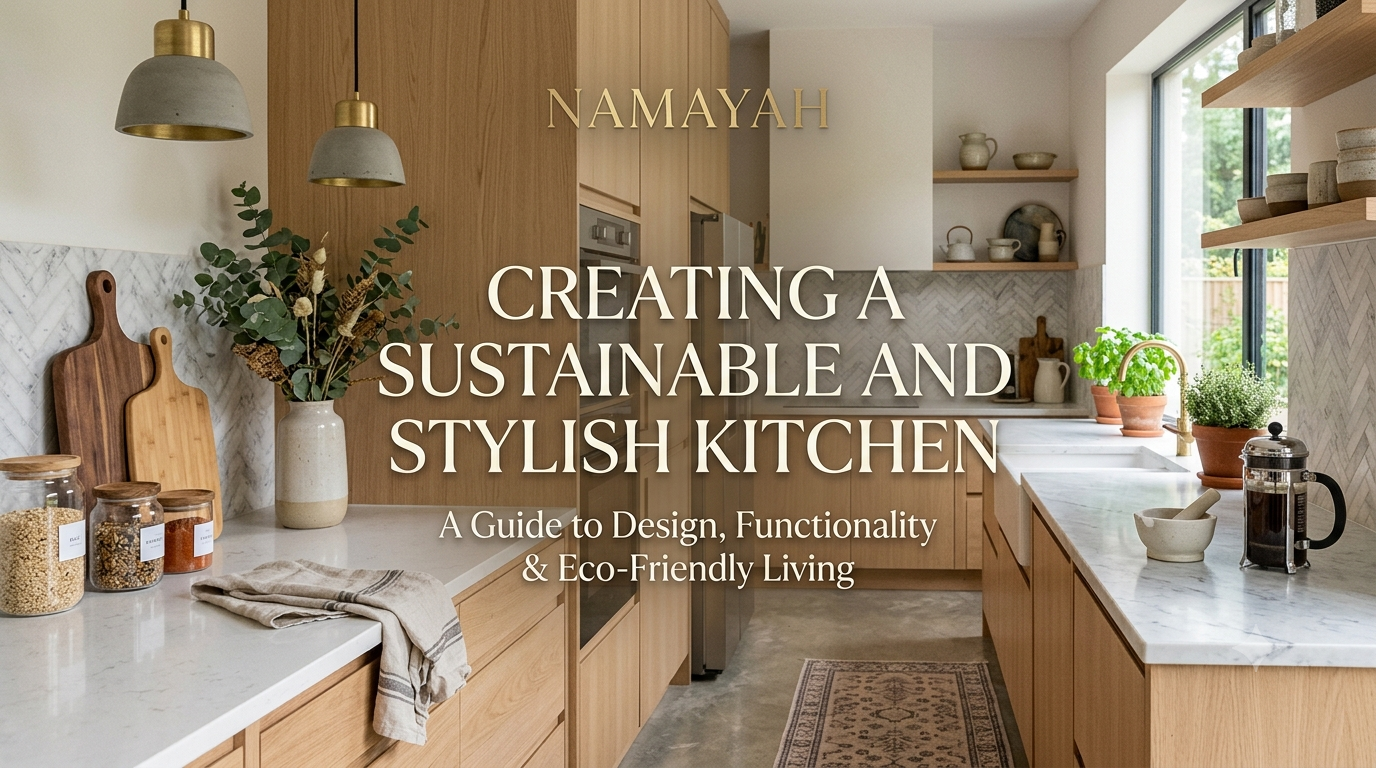
A sustainable kitchen does not have to look rustic, plain, or overly minimalist. The best approach combines durable materials, efficient appliances, thoughtful storage, responsible sourcing, good ventilation, and timeless design with colors, textures, and finishes that reflect your personal style.
Rather than replacing everything at once, focus on decisions that can reduce waste and resource use over the long term. A well-planned kitchen can be attractive today while remaining functional and adaptable for years to come.
What Makes a Kitchen Sustainable?
A sustainable kitchen considers the environmental impact of materials, construction, appliances, water use, energy consumption, maintenance, and eventual replacement.
That means sustainability is not limited to choosing one “green” countertop. A more complete approach looks at the entire kitchen lifecycle.
Consider these priorities:
- Choose durable products that do not need frequent replacement.
- Reuse existing elements where practical instead of automatically replacing them.
- Select responsibly sourced materials.
- Use energy- and water-efficient appliances and fixtures.
- Improve ventilation and indoor air quality.
- Design storage that helps prevent food and household waste.
- Avoid short-lived trends that can make a kitchen feel outdated quickly.
The most sustainable kitchen is often one that works well for a long time rather than one filled with fashionable products that need to be replaced after a few years.
Start With a Timeless Kitchen Design
Style and sustainability can support each other.
A timeless kitchen typically relies on a simple foundation: practical cabinetry, durable surfaces, good lighting, and a restrained color palette. You can then introduce personality through easily replaceable elements such as artwork, textiles, hardware, plants, and accessories.
Before choosing finishes, think about how you want the kitchen to look five or ten years from now.
Neutral cabinetry does not have to mean boring. Natural wood tones, textured finishes, muted colors, classic tile patterns, and carefully selected hardware can create visual interest without depending entirely on short-term trends.
A timeless design can also make future updates easier. Instead of remodeling the entire room, you may only need to replace a light fixture, repaint a wall, or update cabinet hardware.
Choose Responsible Cabinet Materials
Cabinetry is one of the largest visual and material components of a kitchen, so it deserves careful attention.
When shopping for cabinets, ask manufacturers about:
- The source of the wood
- Composite-wood certifications
- Formaldehyde emissions
- Adhesives and finishes
- Product durability
- Repairability
- Warranty and expected lifespan
The Forest Stewardship Council (FSC) provides certification systems for responsibly managed forest materials. Its labels distinguish products containing FSC-certified, recycled, or controlled wood.
Indoor air quality is another consideration. The EPA identifies pressed-wood products such as particleboard, plywood, and medium-density fiberboard as potential sources of formaldehyde when certain adhesives are used.
Look for credible emissions or material certifications rather than relying solely on vague terms such as “natural” or “eco-friendly.”
Consider Sustainable Countertops
Countertops need to withstand heat, moisture, stains, cleaning, and everyday wear, so durability matters.
Potential options include:
- Recycled-content surfaces
- Reclaimed materials
- Responsibly sourced natural stone
- Durable engineered surfaces
- Wood from verified responsible sources
- Reused or salvaged countertops where practical
There is no universally sustainable countertop for every kitchen. Transportation, manufacturing, maintenance, lifespan, and sourcing can all influence the overall impact.
Instead of selecting a material solely because it is marketed as environmentally friendly, compare its durability and maintenance requirements with your household’s needs.
Select Durable, Low-Impact Flooring
Kitchen flooring experiences heavy traffic, spills, dropped objects, and frequent cleaning.
Choose a material based on both environmental considerations and expected lifespan. Options may include responsibly sourced wood, recycled-content materials, natural linoleum, tile, or existing flooring that can be repaired or refinished.
Reusing a suitable existing floor can be an especially straightforward way to reduce the amount of new material required during a renovation.
The most important question is not simply, “Is this material sustainable?”
Ask instead:
Will this floor remain useful, attractive, and repairable for many years?
Invest in Energy-Efficient Appliances
Appliances can have a significant effect on a kitchen’s ongoing resource use.
Prioritize efficiency when replacing major appliances such as:
- Refrigerators
- Dishwashers
- Ovens and cooktops
- Freezers
- Ventilation equipment
The U.S. Department of Energy recommends energy-efficient kitchen equipment and low-flow hot-water fixtures as part of efficient kitchen design.
When comparing appliances, look beyond the purchase price. Consider energy consumption, water consumption, expected service life, repair options, and the manufacturer’s warranty.
You also do not need to replace functioning appliances simply to create a more sustainable kitchen. If an existing appliance works well, keeping it in service can avoid the material and energy demands associated with manufacturing and disposing of a replacement.
Reduce Water Consumption
Water efficiency can be built into the kitchen without changing its appearance dramatically.
Consider:
- Water-efficient faucets
- Appropriate flow rates
- Efficient dishwashers
- Leak-free plumbing
- Durable fixtures that can be repaired
- Easy-to-use shutoff controls
Good kitchen design can also reduce unnecessary water use. For example, placing the sink, dishwasher, and food-preparation areas logically can make daily tasks more efficient.
Small improvements matter because fixtures and appliances are used repeatedly throughout the year.
Improve Kitchen Ventilation
A sustainable kitchen should also be a healthy and comfortable space.
Cooking can increase indoor particulate matter, moisture, and other pollutants. The EPA recommends using a range hood while cooking and, where possible, venting it outdoors. It also recommends leaving the hood running for 10–20 minutes after cooking.
Good ventilation should therefore be part of the design rather than an afterthought.
When planning a renovation, consider the hood’s location, ducting, noise, airflow, and whether the system can effectively exhaust to the outdoors.
A beautiful kitchen is less successful if the ventilation system is difficult to use or so noisy that occupants avoid turning it on.
Use Low-Emission Finishes and Materials
Paints, adhesives, finishes, cabinetry, and other construction materials can contribute to indoor VOC levels.
The EPA notes that VOCs are released by many household products and building materials and recommends ventilation when using products that may emit them.
During a kitchen renovation, ask about:
- Low-emission paints
- Cabinet emissions certifications
- Formaldehyde emissions
- Adhesive composition
- Product testing and certification
Be careful with broad marketing claims. The EPA specifically notes that a “low VOC” or “no VOC” label does not automatically mean a product is free from all potentially concerning volatile organic chemicals.
Choose products based on transparent specifications and credible certifications where available.
Design Smarter Kitchen Storage
Good storage is a sustainability feature because it can make the kitchen easier to use and reduce unnecessary purchases.
Use drawers, pull-out shelves, vertical storage, pantry organizers, and dedicated spaces for frequently used items.
A well-organized pantry makes it easier to see what you already own. That can help prevent duplicate purchases and forgotten ingredients.
For smaller kitchens, prioritize flexible storage rather than adding cabinets simply to fill available wall space.
Think about what you actually use before designing storage around an idealized version of your lifestyle.
Reduce Food and Packaging Waste
Kitchen sustainability extends beyond construction materials.
Create convenient areas for:
- Food-scrap collection
- Recycling
- Reusable shopping bags
- Refillable containers
- Food storage containers
- Composting, where appropriate
Composting food scraps can keep valuable organic material out of landfill disposal streams; the EPA identifies keeping food scraps out of landfills as one benefit of composting.
Make waste separation easy by incorporating appropriate bins into the kitchen layout. If recycling or composting requires walking across the house every time, it may be less convenient to maintain consistently.
Add Sustainable Lighting
Lighting can dramatically influence both style and energy use.
Start with natural light wherever the layout allows. Then layer artificial lighting into three categories:
- Ambient lighting for general illumination
- Task lighting for preparation and cooking
- Accent lighting for atmosphere and architectural details
Efficient light sources, appropriate controls, and lighting that is switched on only where needed can help reduce unnecessary energy use.
For style, use lighting as a design feature. Pendant lights over an island, concealed task lighting beneath cabinets, and carefully positioned wall fixtures can add character without requiring excessive decorative materials.
Decorate With Sustainable Details
You do not need to sacrifice personality for sustainability.
Consider adding:
- Vintage or secondhand furniture
- Reclaimed wood accents
- Durable natural textiles
- Locally made accessories
- Indoor plants suited to your conditions
- Reusable kitchenware
- Artwork that can move with you
The principle is simple: choose items you genuinely like and expect to keep.
A kitchen filled with meaningful, durable pieces can feel more distinctive than one decorated entirely with disposable trend-driven accessories.
Common Sustainable Kitchen Mistakes
Even well-intentioned renovations can create unnecessary waste.
Replacing everything unnecessarily
If cabinets are structurally sound, consider refinishing, repainting, repairing, or replacing selected components before ordering an entirely new kitchen.
Choosing products based only on labels
“Eco,” “green,” and “natural” are not sufficient on their own. Look for measurable specifications and credible certifications.
Ignoring ventilation
Materials are important, but cooking itself affects indoor air quality. Plan ventilation as part of the kitchen design.
Prioritizing appearance over durability
A beautiful surface that requires frequent replacement may be less practical than a slightly less fashionable material that lasts much longer.
Following trends too closely
A kitchen does not need to look like the latest showroom to feel stylish. Timeless proportions and high-quality materials can create a longer-lasting aesthetic.
Frequently Asked Questions
What is a sustainable kitchen?
A sustainable kitchen is designed to reduce unnecessary resource use and waste while prioritizing durable, responsibly sourced materials, efficient appliances, water conservation, good ventilation, and long-term usability.
What is the most sustainable kitchen cabinet material?
There is no single best material for every project. Look for durable cabinetry made with responsibly sourced materials and credible emissions or environmental certifications. FSC certification can help identify responsibly sourced forest materials, while emissions certifications can provide information about composite-wood products.
How can I make my kitchen more sustainable without remodeling?
Start with everyday changes. Improve food storage, reduce food waste, use reusable products, repair leaks, improve waste separation, use efficient lighting, and maintain appliances properly. You can also replace individual fixtures or appliances when they genuinely need updating.
Are sustainable kitchens more expensive?
They can involve higher upfront costs in some cases, especially when choosing premium durable or certified materials. However, sustainability is not simply about buying the most expensive product. Reusing existing components, selecting durable products, reducing energy and water consumption, and avoiding unnecessary replacements can all contribute to a more sustainable kitchen.
How can I make a small kitchen more sustainable?
Use space efficiently. Choose multifunctional storage, efficient appliances sized appropriately for your household, durable finishes, good task lighting, and convenient recycling or food-scrap storage. Avoid adding features that consume space without solving a real need.
Is wood a sustainable choice for kitchen cabinets?
Wood can be a responsible choice when it comes from appropriately managed sources. Certification systems such as FSC provide information about responsible forest management and material sourcing.
How important is kitchen ventilation?
Very important. Cooking can increase indoor particulate matter and other pollutants. The EPA recommends using a range hood while cooking and, where possible, venting it outdoors.
What should I look for in sustainable kitchen materials?
Look at durability, sourcing, recycled content where relevant, emissions, certifications, maintenance requirements, repairability, and expected lifespan. Consider the entire product lifecycle rather than one sustainability claim.
Can a sustainable kitchen still look luxurious?
Absolutely. Sustainable design can use natural textures, refined hardware, high-quality craftsmanship, attractive lighting, and carefully selected materials. Sustainability is about making thoughtful choices, not following one particular visual style.
Conclusion
Creating a sustainable and stylish kitchen is less about finding one perfect material and more about making better decisions throughout the design process.
Start with a timeless layout. Keep usable elements when possible. Choose durable and responsibly sourced materials, investigate cabinet and finish emissions, select efficient appliances and fixtures, and plan effective ventilation. Then use lighting, color, hardware, furniture, and accessories to give the room personality.
Most importantly, design for the way you actually live. A kitchen that is functional, durable, comfortable, and attractive is more likely to remain useful for years—and longevity is an important part of sustainable design.