
Natural Kitchen Accessories for a More Beautiful Cooking Space
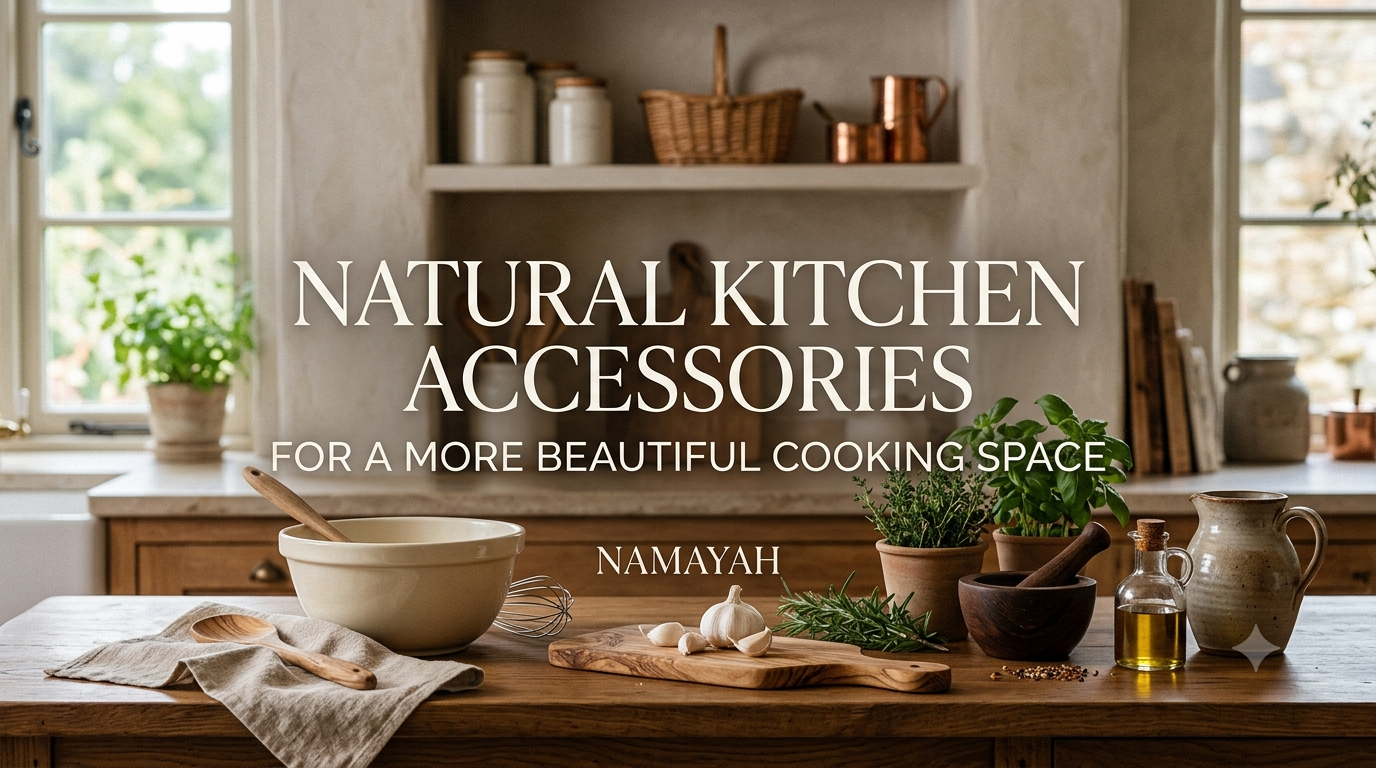
The kitchen is one of the most active rooms in a home, but it can also be one of the most inviting. The right natural kitchen accessories can introduce warmth, texture, and personality without requiring a major renovation. Wooden utensils, woven baskets, linen towels, ceramic containers, stone accents, and other natural-looking pieces can turn an ordinary cooking area into a space that feels comfortable and thoughtfully designed.
Natural accessories work especially well because they combine decoration with everyday usefulness. Instead of filling your counters with objects that serve no purpose, you can choose pieces that help organize, prepare, serve, and store food while also contributing to the overall look of the room.
Why Choose Natural Kitchen Accessories?
Natural materials can give a kitchen a softer and more organic appearance. Smooth wood can warm up a minimalist space, woven textures can make open shelving feel less stark, and linen can add a relaxed touch to countertops and dining areas.
Another advantage is versatility. Natural kitchen accessories can complement many interior styles, including modern, farmhouse, Scandinavian, rustic, coastal, and contemporary kitchens.
The key is balance. You do not need to replace everything in your kitchen with natural materials. A few carefully selected accessories can create a noticeable change.
Best Natural Materials for Kitchen Accessories
Different natural materials create different visual and practical effects. Combining several textures can make a kitchen more interesting without making it feel cluttered.
Wood and Bamboo
Wood is one of the easiest materials to introduce into a kitchen. It has a naturally warm appearance and works well with both light and dark cabinetry.
Consider wooden:
- Cutting boards
- Serving boards
- Utensils
- Trays
- Bowls
- Storage boxes
- Utensil holders
Bamboo can also be useful for organizers, trays, and storage products. Its clean appearance makes it particularly suitable for kitchens with a modern or minimalist aesthetic.
When selecting wooden accessories, consider the finish, construction, intended use, and care instructions rather than choosing an item based on appearance alone.
Linen and Cotton
Textiles are a simple way to add natural texture without taking up much space.
Linen and cotton kitchen accessories can include:
- Tea towels
- Kitchen towels
- Table runners
- Aprons
- Cloth napkins
- Bread bags
- Pot holders
Neutral shades such as cream, beige, white, soft gray, and earthy tones can reinforce a natural color palette. If your kitchen is already neutral, subtle stripes or woven patterns can add visual interest.
Rattan and Woven Materials
Woven accessories bring texture to kitchens with smooth surfaces such as stone countertops, painted cabinets, and stainless-steel appliances.
Rattan and other woven materials can work well for:
- Baskets
- Bread baskets
- Fruit bowls
- Storage containers
- Decorative trays
- Open-shelf organizers
A woven basket can also hide small everyday items while keeping them within easy reach.
Stone and Ceramic
Stone and ceramic accessories can add a sense of solidity and craftsmanship to a kitchen.
Ceramic jars, bowls, serving dishes, and utensil holders are particularly versatile. Handmade or subtly irregular pieces can introduce character, while simple geometric designs can suit a contemporary kitchen.
Stone can be incorporated through serving boards, coasters, bowls, or small decorative pieces. Because these materials can vary considerably in weight, porosity, and maintenance requirements, check the manufacturer’s care guidance before using them for food preparation or serving.
10 Natural Kitchen Accessories to Consider
You do not need a complete kitchen makeover to create a more natural atmosphere. Start with a few functional pieces.
1. Wooden Cutting Board
A wooden cutting board can become both a practical kitchen tool and a countertop accent. A larger board can also be used for serving bread, fruit, or snacks when appropriate for its design and care requirements.
2. Woven Storage Baskets
Use baskets to organize pantry items, kitchen linens, or less frequently used accessories. They can make open shelves appear more organized while adding texture.
3. Linen Kitchen Towels
Replacing synthetic-looking textiles with simple linen or cotton towels is an easy styling update. Fold or hang them where they are useful rather than displaying too many at once.
4. Ceramic Utensil Holder
A ceramic utensil holder can keep frequently used cooking tools together. Choose a shape and finish that complements your countertops and cabinetry.
5. Wooden Serving Tray
A wooden tray can group several countertop items into one visual arrangement. It can hold a kettle, jars, mugs, or other frequently used objects.
6. Natural Fiber Placemats
If your kitchen includes a dining area or breakfast bar, woven placemats can introduce another layer of texture.
7. Wooden or Bamboo Utensils
Cooking utensils are often visible, so they naturally become part of your kitchen décor. Keeping them in an attractive container can make everyday tools feel intentional.
8. Ceramic Storage Jars
Storage jars can reduce visual clutter while keeping frequently used ingredients or kitchen supplies accessible. Labeling them consistently can create a cleaner appearance.
9. Woven Fruit Basket
A fruit basket provides practical storage while creating a simple focal point on an island or countertop.
10. Natural-Finish Serving Pieces
Serving bowls, boards, and trays in complementary natural materials can help connect your kitchen accessories with your dining area.
How to Create a Cohesive Natural Kitchen Look
The most attractive natural kitchens are rarely built around one material alone. Instead, they use a controlled combination of textures.
Start with your existing kitchen finishes. If you have glossy cabinets and smooth countertops, woven baskets and unfinished-looking wood can introduce contrast. If your kitchen already has substantial wood cabinetry, consider adding lighter textiles and ceramic pieces instead of adding more wood everywhere.
Keep Your Color Palette Simple
Natural kitchens often work well with colors inspired by the materials themselves:
- Warm white
- Cream
- Beige
- Taupe
- Soft gray
- Brown
- Natural wood tones
- Muted green
You can add stronger colors, but keeping the larger accessory collection restrained can make the space feel more cohesive.
Mix Textures Carefully
Think about contrast rather than matching everything.
For example, a smooth ceramic container can sit beside a woven basket, while a wooden tray can provide a warm visual connection between them.
Group Accessories Together
Instead of scattering decorative pieces across every available surface, create small functional groupings.
A countertop tray might hold a ceramic utensil container, a wooden spoon collection, and a small jar. This makes the arrangement look deliberate while keeping frequently used items accessible.
Natural Accessories for Small Kitchens
Small kitchens benefit from accessories that serve more than one purpose.
A wooden cutting board can double as a serving board. A woven basket can provide storage for kitchen towels. A ceramic container can hold utensils rather than simply decorating a shelf.
Vertical space is also useful. Wall-mounted shelves, hanging rails, and hooks can keep accessories accessible without occupying valuable countertop space.
Avoid filling every shelf or countertop simply because there is room. In a small kitchen, leaving some visual breathing space can make the room feel more open.
How to Choose Accessories That Are Both Beautiful and Practical
Appearance should not be the only consideration when choosing natural kitchen accessories.
Before purchasing an item, ask:
Is it designed for kitchen use?
A decorative material is not automatically suitable for food preparation or storage.
How much maintenance does it require?
Some materials need specific cleaning or drying practices.
Will it fit the available space?
Measure shelves, drawers, and countertops before purchasing storage accessories.
Does it solve a real problem?
The best accessories improve organization, preparation, serving, or comfort.
Does it work with what you already own?
Choose pieces that complement your existing finishes rather than forcing an entirely new style.
Will the design remain useful over time?
Simple shapes and practical functions are less likely to become visual clutter.
Caring for Natural Kitchen Accessories
Natural materials generally look best when they receive appropriate care.
For wooden accessories, follow the manufacturer’s cleaning and conditioning recommendations. Avoid assuming that every wooden item can be treated in exactly the same way.
Woven materials should be kept clean and dry according to their specific care instructions. Ceramic pieces can have different requirements depending on their glaze and construction.
Kitchen textiles should be washed according to their fabric-care labels. Regular cleaning is particularly important for accessories that come into frequent contact with food or moisture.
Most importantly, follow the manufacturer’s instructions for each product. Natural does not mean maintenance-free.
Common Mistakes to Avoid
Using Too Many Materials
Mixing wood, stone, ceramic, metal, glass, rattan, and multiple textiles can quickly become visually busy. Select a few dominant materials and repeat them throughout the space.
Choosing Decoration Over Function
A kitchen should remain practical. Accessories that constantly get in the way of cooking or cleaning can make the room less enjoyable.
Overcrowding Countertops
Even attractive accessories can become clutter when there are too many of them. Keep the items you use regularly within reach and store the rest.
Ignoring Maintenance
Before buying a natural accessory, understand how it should be cleaned, dried, stored, and maintained.
Matching Everything Perfectly
A natural kitchen does not need every item to come from the same collection. Slight variations in texture and shape can make the space feel more personal.
Frequently Asked Questions
What are natural kitchen accessories?
Natural kitchen accessories are functional or decorative kitchen items made from, or visually inspired by, materials such as wood, bamboo, linen, cotton, rattan, stone, and ceramic. They can be used for cooking, serving, storage, organization, or decoration.
Which natural material is best for kitchen accessories?
There is no single best material. Wood and bamboo are popular for utensils and boards, linen and cotton work well for textiles, woven materials are useful for storage, and ceramic and stone can provide durable decorative and serving options. The right choice depends on the intended use and care requirements.
How can I make my kitchen look more natural?
Start with a few accessories in complementary materials. A wooden board, woven basket, linen towel, and ceramic container can introduce natural texture without requiring a renovation. Keep colors relatively consistent and avoid overcrowding surfaces.
Are natural kitchen accessories suitable for modern kitchens?
Yes. Natural materials can provide contrast in modern kitchens, especially when the room has clean lines, smooth finishes, or neutral colors. Simple wooden, ceramic, or woven accessories can soften a minimalist space without changing its overall character.
How many kitchen accessories should I display?
There is no universal number. Display the pieces you use regularly and a small selection of decorative items. In smaller kitchens, prioritize multifunctional accessories and leave some countertop space clear.
Are bamboo kitchen accessories a good choice?
Bamboo is commonly used for kitchen organizers, utensils, boards, and trays. Suitability depends on the specific product, construction, finish, and manufacturer’s care instructions, so check the product information before purchasing.
How do I combine wood and ceramic in a kitchen?
Use them as complementary textures. For example, place ceramic storage containers alongside wooden boards or utensils. Keeping the colors related can help the different materials feel like part of the same design.
Can natural accessories make a small kitchen look bigger?
They cannot physically increase the size of a kitchen, but carefully chosen accessories can contribute to a less cluttered appearance. Multifunctional pieces, vertical storage, limited countertop displays, and a restrained color palette can make a small space feel more organized.
Conclusion
Creating a beautiful cooking space does not always require new cabinets, countertops, or expensive renovations. Natural kitchen accessories offer a simple way to introduce warmth, texture, and personality while keeping the room functional.
Start with practical pieces such as wooden boards, woven baskets, linen towels, ceramic containers, and natural-fiber textiles. Then build a cohesive look by repeating a few materials and colors throughout the kitchen.
The goal is not to make every item look perfectly coordinated. It is to create a cooking space where useful objects also contribute to the atmosphere of the room. With thoughtful choices and a little restraint, natural accessories can make an everyday kitchen feel warmer, calmer, and more inviting.