
How to Create a Luxury Dining Experience at Home
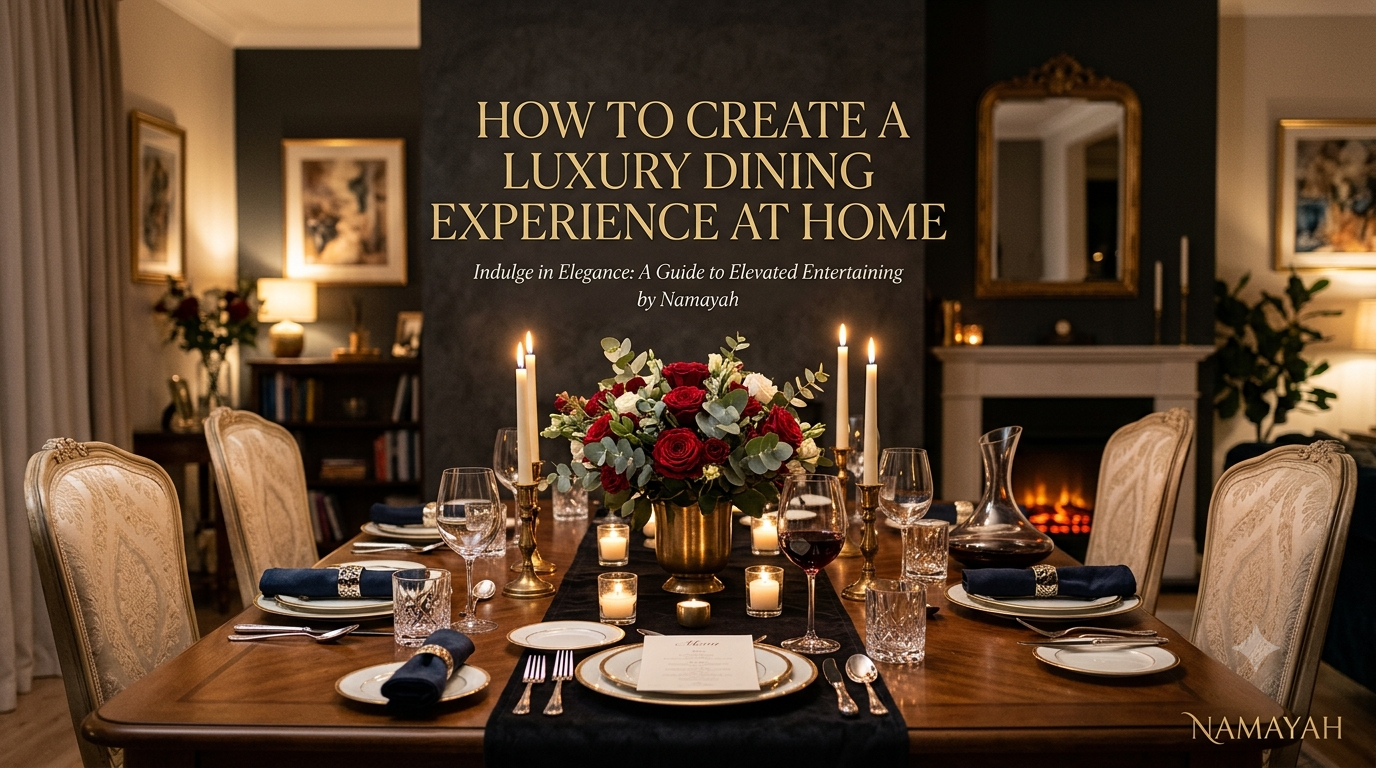
A luxury dining experience at home is less about spending a fortune and more about creating a thoughtful combination of food, atmosphere, presentation, comfort, and personalized service. Start with a beautiful but uncluttered table, warm lighting, a carefully planned menu, attractive plating, suitable drinks, and small details that make guests feel genuinely welcomed.
The goal is not to recreate a formal restaurant exactly. Instead, create an evening where every element feels intentional—from the moment guests sit down to the final course.
What Makes a Dining Experience Feel Luxurious?
Luxury dining is ultimately about attention to detail.
A beautifully prepared meal can lose its impact if the dining room is brightly lit, the table is crowded with unnecessary decorations, or the host is constantly rushing back to the kitchen. Likewise, a simple meal can feel remarkably special when it is presented thoughtfully in a comfortable setting.
Several elements contribute to the experience:
- An inviting dining environment
- A cohesive table setting
- Well-prepared food
- Attractive presentation
- Appropriate drinks
- Comfortable seating
- Carefully selected music
- Smooth pacing between courses
- Personal touches
- An unhurried atmosphere
The most important principle is consistency. Your table, menu, lighting, music, and service should feel as though they belong to the same occasion.
Start With the Right Dining Atmosphere
Before planning individual dishes, decide how you want the evening to feel.
For an intimate dinner, you might choose a calm and understated atmosphere. For a larger celebration, you can make the setting more festive while maintaining an elegant visual style.
Remove unnecessary clutter from the dining area and make sure guests have enough space to sit comfortably. Clear nearby surfaces, organize the kitchen before guests arrive, and prepare as much as possible in advance.
Use Layered Lighting
Lighting can dramatically change the mood of a dining room.
Instead of relying entirely on bright overhead lighting, consider combining several softer sources. Candles, table lamps, wall lights, or dimmable fixtures can create a warmer environment.
Candles are particularly effective for an evening meal, but keep them positioned safely and make sure they do not interfere with conversation or obstruct guests’ views.
The objective is simple: the table should be bright enough for guests to see the food while the surrounding room remains comfortable and atmospheric.
Choose Background Music Carefully
Music should support the conversation rather than compete with it.
Instrumental jazz, classical music, acoustic arrangements, or other subtle genres can work well depending on the occasion and your guests’ preferences.
Keep the volume low enough that people can speak comfortably across the table. A carefully chosen playlist can make the evening feel more deliberate without becoming the main attraction.
Create an Elegant Table Setting
The dining table is the visual centerpiece of the experience.
You do not need expensive dinnerware to create an impressive tablescape. What matters most is coordination, cleanliness, proportion, and restraint.
Start with the basics:
- Clean plates and glassware
- Polished or spotless cutlery
- Cloth napkins
- A suitable tablecloth, runner, or bare table surface
- A simple centerpiece
- Appropriate serving dishes
Avoid overcrowding the table. Guests should have enough room to eat comfortably and move their glasses and cutlery without constantly rearranging decorations.
Choose a Refined Color Palette
A limited color palette usually looks more sophisticated than a collection of unrelated colors.
Neutral shades such as white, cream, beige, black, gray, or natural wood can provide an elegant foundation. You can then introduce one accent color through flowers, napkins, glassware, or small decorative details.
For example, a neutral table with greenery and subtle metallic accents can feel polished without looking overly formal.
Add Quality Table Linens
Textiles add softness and visual depth to a dining table.
Cloth napkins are one of the simplest ways to make an everyday meal feel more special. Fold them neatly or place them with a simple napkin ring.
Choose materials and colors that complement the rest of the table rather than competing with the food.
Remember that luxury does not require excessive decoration. A clean, well-coordinated table often makes a stronger impression than one filled with ornaments.
Plan a Restaurant-Style Menu
The menu should be impressive enough to feel special but realistic enough for you to execute without stress.
One common mistake is choosing too many complicated dishes. If every course requires last-minute cooking, the host may spend more time in the kitchen than at the table.
Instead, combine dishes that can be prepared ahead with one or two elements that benefit from being finished just before serving.
Build a Balanced Multi-Course Menu
A simple dinner might include:
- Welcome drink or small appetizer
- Starter
- Main course with complementary sides
- Dessert
- Coffee, tea, or a small after-dinner treat
For a more elaborate dinner, you can add an intermediate course or palate cleanser.
Balance is more important than the number of courses. Consider differences in temperature, texture, flavor, color, and richness.
For example, a rich main course can work well with fresh, acidic, or vegetable-forward accompaniments.
Focus on Ingredients and Timing
Luxury dining does not necessarily require rare or expensive ingredients.
Fresh seasonal produce, quality bread, carefully selected proteins, flavorful sauces, herbs, and homemade components can make a meal feel considerably more special.
Timing matters just as much.
Before guests arrive, write down when each dish needs to be:
- Removed from the refrigerator
- Started
- Reheated
- Plated
- Garnished
- Served
This simple preparation can prevent the frantic feeling that often accompanies dinner parties.
Elevate Food Presentation
Presentation can turn a familiar dish into a memorable course.
Think about the plate as a composition rather than simply a container for food. Leave some negative space instead of filling every part of the plate.
A few principles can help:
- Keep portions visually balanced.
- Use sauces deliberately rather than covering the entire plate.
- Add fresh herbs or other appropriate garnishes.
- Combine contrasting colors naturally.
- Wipe accidental spills from the rim before serving.
- Use plates that provide enough space for the food.
Do not add decorative ingredients that do not contribute to the dish. Elegant presentation should still feel edible, natural, and practical.
Pair Drinks With the Meal
Drinks can add another layer to the dining experience.
If you serve alcohol, consider choosing beverages that complement the menu rather than simply selecting the most expensive bottle. If you prefer a non-alcoholic dinner, sparkling water, botanical drinks, mocktails, specialty teas, or house-made beverages can provide the same sense of occasion.
Consider serving beverages in appropriate glassware. Even a simple drink can feel more polished when presented thoughtfully.
Provide water throughout the meal and make sure guests have an appealing non-alcoholic option.
Add Personalized Details
Personalization is one of the easiest ways to make a home dinner feel luxurious.
Think about your guests rather than focusing only on decoration.
You could:
- Prepare a favorite appetizer.
- Choose music your guests enjoy.
- Add a handwritten menu.
- Use place cards for a formal dinner.
- Offer a dessert connected to a shared memory.
- Provide a thoughtful welcome drink.
- Adjust dishes for dietary preferences.
- Add a small takeaway treat at the end.
These details do not have to be expensive. Their value comes from demonstrating that the evening was planned with the guests in mind.
Make Service Feel Effortless
A luxury restaurant experience often feels smooth because the guest does not have to think about what happens next.
You can create a similar feeling at home by preparing ahead.
Set the table before guests arrive. Arrange serving utensils in advance. Prepare sauces, dressings, garnishes, and desserts whenever possible.
If you are serving multiple courses, establish a simple rhythm. Give guests enough time to enjoy each course without leaving long unexplained gaps.
Most importantly, do not aim for perfection at the expense of your own enjoyment. Guests are more likely to remember a relaxed and welcoming host than a technically perfect dinner accompanied by visible stress.
Common Mistakes to Avoid
Even an expensive dinner can feel less luxurious when small details are overlooked.
Overdecorating the Table
Too many flowers, candles, ornaments, and serving dishes can make the table uncomfortable. Keep decorations proportional to the available space.
Choosing a Menu That Is Too Complicated
If every dish requires simultaneous last-minute preparation, the evening can become stressful. Choose a menu you can confidently execute.
Playing Music Too Loudly
Music should enhance conversation, not force guests to raise their voices.
Ignoring Comfort
Elegant chairs are not useful if guests are uncomfortable after an hour. Temperature, seating, table height, and available space all matter.
Serving Everything at Once
A multi-course meal feels more deliberate when each course has its own moment.
Focusing Too Much on Appearance
A beautiful table cannot compensate for poorly planned food or an uncomfortable atmosphere. Luxury dining is an entire experience rather than a collection of decorative objects.
How to Create Luxury on Any Budget
You do not need a large budget to create an elegant dinner.
Start by improving the elements guests notice most: lighting, cleanliness, table presentation, food quality, and hospitality.
For example, instead of purchasing an entirely new dinnerware collection, use your existing plates and improve the presentation with cloth napkins and a simple centerpiece.
Instead of expensive decorations, use seasonal flowers or greenery. Instead of an extensive menu, serve a few well-prepared courses.
A thoughtful $100 dinner can feel more luxurious than a $500 dinner that is poorly organized.
The key is to spend selectively. Invest in the details that improve the actual experience rather than simply adding more objects to the room.
Final Checklist for a Luxury Dinner at Home
Before guests arrive, run through this quick checklist:
- Clean and declutter the dining area.
- Set the table completely.
- Polish or clean glassware and cutlery.
- Prepare the centerpiece.
- Test the lighting.
- Choose and queue the music.
- Prepare as much of the menu as possible in advance.
- Chill appropriate beverages.
- Set out water.
- Prepare serving utensils.
- Review dietary requirements.
- Organize the kitchen so cooking is efficient.
- Give yourself enough time to get ready before guests arrive.
Once everything is prepared, step away from the kitchen when possible and enjoy the occasion.
FAQs About Creating a Luxury Dining Experience at Home
How can I make a dinner at home feel luxurious?
Focus on the complete experience rather than expensive items. Use warm lighting, an uncluttered table, attractive tableware, thoughtful food presentation, suitable music, well-planned courses, and personalized details.
What should I put on a luxury dining table?
Start with clean dinnerware, polished cutlery, attractive glassware, cloth napkins, and a simple centerpiece. Keep enough open space for guests to dine comfortably.
How many courses should a luxury dinner have?
There is no fixed number. A starter, main course, and dessert can create an elegant experience. Additional courses can be added when they genuinely improve the meal and can be prepared without creating unnecessary stress.
What lighting is best for an elegant dinner?
Warm, relatively soft lighting generally creates a more intimate dining atmosphere than harsh overhead lighting. Candles and dimmable lights can add additional atmosphere while keeping the table visible.
How do I create a luxury dining experience on a budget?
Prioritize details with a large impact, such as table cleanliness, lighting, food presentation, cloth napkins, music, and thoughtful hospitality. You do not need expensive furniture, decorations, or ingredients.
What music is appropriate for a luxury dinner?
Choose music that complements the mood and allows conversation. Soft jazz, classical music, acoustic music, or other understated styles can work well depending on the occasion and guests.
How can I host a luxury dinner without spending all evening in the kitchen?
Select dishes that can be prepared in advance and limit the number of components requiring last-minute cooking. Create a preparation schedule and organize your serving equipment before guests arrive.
What is the most important part of a luxury dining experience?
Hospitality is arguably the most important element. Guests should feel comfortable, welcomed, and considered. Beautiful food and surroundings work best when they support that feeling.
Conclusion
Creating a luxury dining experience at home is ultimately about thoughtful preparation rather than extravagance.
A well-planned menu, elegant table setting, warm lighting, appropriate music, attractive presentation, and personalized hospitality can transform an ordinary meal into a memorable occasion.
Start with the experience you want your guests to have, then build the details around it. When everything feels intentional—and the host remains relaxed—the result can feel every bit as special as an evening at a fine restaurant.