
How Natural Wood Complements Metal Décor
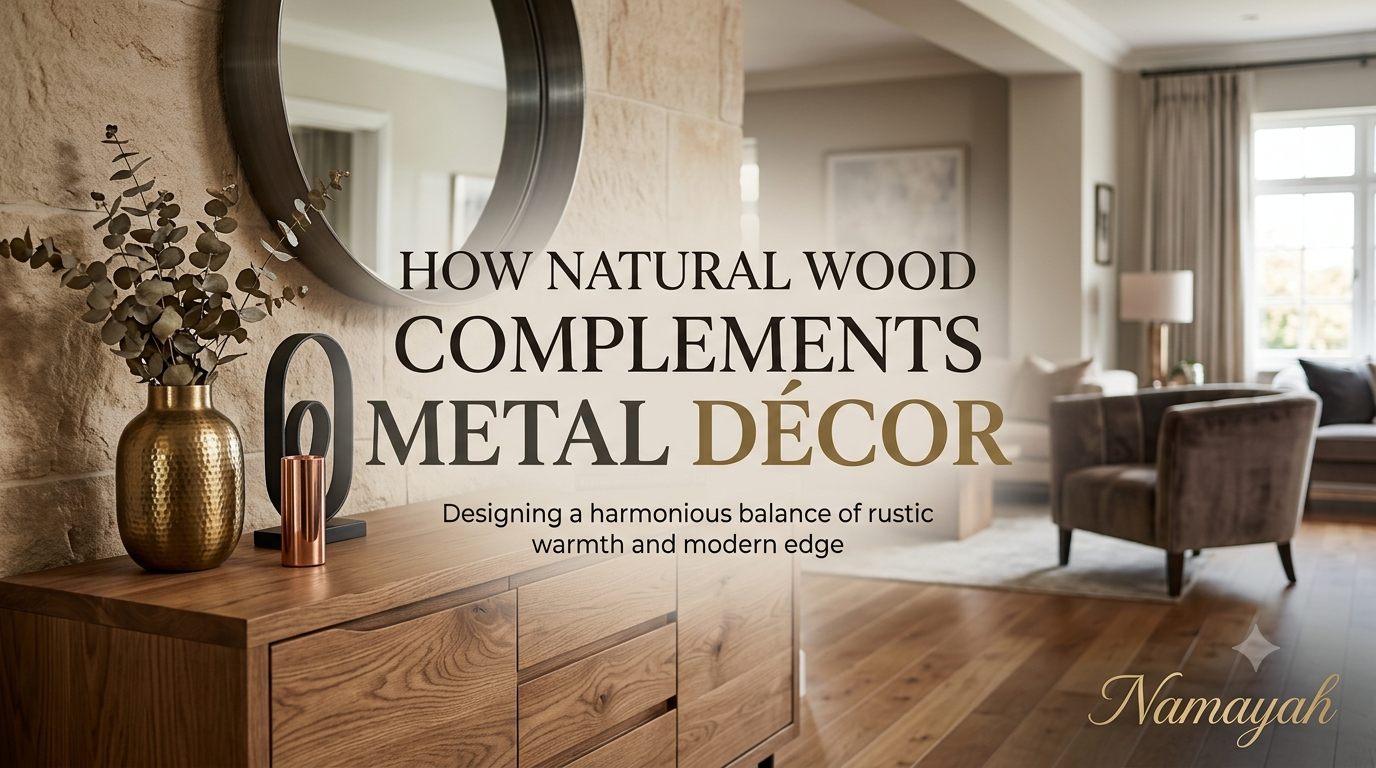
Natural wood and metal create a strong interior design combination because they balance two very different visual qualities. Wood brings warmth, organic grain, and softness, while metal contributes structure, durability, and a contemporary edge. Used together, they can make a room feel layered rather than overly rustic, cold, or industrial.
From dining tables and shelving to lighting, mirrors, and accent furniture, the combination works across many decorating styles. The key is to coordinate wood tones, metal finishes, proportions, and textures so that neither material overwhelms the space.
Why Wood and Metal Work So Well Together
Interior spaces can sometimes feel visually flat when every surface has a similar color, finish, or texture. Combining contrasting materials introduces depth.
Natural wood typically has visible grain and subtle variations in color. Metal, by comparison, often has a more uniform surface and can appear smooth, polished, brushed, or textured.
This difference creates visual interest.
Wood can soften the harder appearance of metal, while metal can give wooden furniture a more structured and contemporary character. The result can suit modern, industrial, rustic, farmhouse, Scandinavian, and transitional interiors.
The Balance of Warmth and Strength
One of the biggest advantages of combining natural wood and metal is the balance between warmth and strength.
Wood can make a room feel welcoming and connected to natural materials. Its grain adds movement and character without requiring bold patterns.
Metal adds definition. A black steel frame around a wooden tabletop, for example, can create a crisp outline that makes the wood surface stand out.
This balance is particularly useful in rooms where you want a modern aesthetic without making the space feel sterile.
Instead of choosing between a warm, traditional look and a sleek, contemporary one, wood and metal allow you to combine elements of both.
Popular Metal Finishes to Pair With Wood
Different metal finishes create different moods. Choosing the right finish is therefore just as important as choosing the wood.
Black Metal and Natural Wood
Black metal is one of the easiest finishes to combine with natural wood.
The dark metal provides a strong visual frame, while the wood introduces warmth and organic variation. This pairing works especially well in dining tables, coffee tables, shelving units, bed frames, console tables, and lighting fixtures.
For a relaxed look, combine matte or lightly textured black metal with medium or light wood tones.
For a more dramatic interior, darker wood can create a sophisticated contrast with black metal.
Brass and Warm Wood
Brass can add warmth and a decorative quality to wooden furniture and accessories.
Pairing brass with oak, walnut, teak, or other warm-toned woods can create an elegant appearance. Brass details can work particularly well in cabinet hardware, table lamps, mirrors, shelving brackets, and decorative accents.
Because both materials can have warm undertones, consider using neutral walls and fabrics to keep the room from feeling visually heavy.
Stainless Steel and Light Wood
Stainless steel and other cool-toned metals can make natural wood feel more contemporary.
Light woods can soften the sleek appearance of stainless steel, creating a clean combination suitable for modern kitchens, dining areas, home offices, and minimalist spaces.
The contrast is especially effective when the room includes other soft elements such as upholstery, rugs, curtains, or woven accessories.
Choosing the Right Wood Tone
Wood does not have a single appearance. Its color, grain, and finish can significantly affect how it interacts with metal.
Light Wood
Light woods can help create an airy and contemporary atmosphere. They pair well with black, brushed, and cool-toned metals.
This combination is useful when you want contrast without making a room feel dark.
Medium Wood
Medium wood tones are versatile and can bridge traditional and modern styles. They can work with black metal, brass, bronze, and other finishes depending on the surrounding colors.
Dark Wood
Dark wood creates a richer and more dramatic appearance. It can look particularly effective with black metal or warm metallic accents.
However, if both the wood and metal are very dark, introduce lighter walls, textiles, flooring, or accessories to maintain visual balance.
Using Texture to Create Contrast
Color is only one part of the relationship between wood and metal. Texture can be equally important.
A smooth metal surface paired with heavily grained wood creates an obvious contrast. Similarly, textured or aged metal can complement reclaimed or naturally weathered wood.
You can also introduce softer materials to prevent the room from becoming too hard visually.
Consider combining:
- Wood furniture
- Metal frames or legs
- Woven baskets
- Upholstered seating
- Natural-fiber rugs
- Linen curtains
- Ceramic accessories
- Soft lighting
These additional textures help connect the harder and softer materials throughout the room.
Furniture Ideas for Wood and Metal
Furniture is one of the simplest ways to introduce the combination.
A wooden dining table with a metal base can become a natural focal point. Wooden shelving with metal brackets can add both storage and decorative interest. A wood-and-metal coffee table can connect a living room’s furniture without requiring major renovations.
Other possibilities include:
- Wooden console tables with metal legs
- Metal-framed mirrors with wooden accents
- Wooden benches with steel supports
- Bed frames combining timber and metal
- Desks with wood tops and metal bases
- Side tables with mixed-material construction
- Open shelving with wood shelves and metal frames
The goal is not necessarily to use both materials in every item. Repeating them across several pieces is often enough to create visual cohesion.
Wood and Metal in Different Rooms
Living Room
A wooden coffee table with a metal frame can anchor a seating area. Metal lighting or shelving can repeat the material elsewhere without overwhelming the room.
Dining Room
A solid wood dining table can provide warmth, while metal chairs, pendant lighting, or table accessories introduce a contemporary element.
Bedroom
Wooden nightstands, metal lighting fixtures, or a mixed-material bed can create a balanced bedroom without making the space feel overly industrial.
Kitchen
Wood cabinetry, shelving, stools, and cutting boards can soften metal appliances and hardware. The combination can create a practical but welcoming kitchen.
Home Office
A wood desktop supported by metal legs offers a simple way to combine natural texture with a clean, functional structure.
How to Avoid an Overly Industrial Look
Wood and metal are strongly associated with industrial interiors, but the combination does not have to create an industrial room.
If you want a softer appearance, avoid using exposed metal everywhere. Instead, let wood remain one of the dominant materials and use metal selectively.
You can also add:
- Soft upholstery
- Warm lighting
- Plants
- Natural textiles
- Neutral colors
- Curved furniture
- Decorative ceramics
The more tactile and organic elements you introduce, the less severe the metal can feel.
Tips for Mixing Wood and Metal Successfully
Start with one dominant material and use the other as an accent.
For example, if a room already contains substantial wooden furniture, metal can appear through lighting, hardware, shelving, and furniture frames.
Also consider consistency. You do not necessarily need every metal element to match perfectly, but using a clear dominant finish can make the room feel more intentional.
A few practical guidelines can help:
- Choose a dominant wood tone. Use it as the foundation for the room.
- Select a complementary metal finish. Consider whether you want contrast or harmony.
- Repeat materials throughout the space. Avoid limiting metal or wood to one isolated object.
- Mix textures. Combine smooth, rough, matte, and natural surfaces.
- Balance proportions. A large metal feature may require substantial wood or softer materials nearby.
- Add textiles and organic elements. Rugs, upholstery, plants, and woven accessories can soften the overall look.
- Use contrast intentionally. Dark metal against light wood creates a different effect from brass against walnut.
- Consider the room’s existing finishes. Flooring, cabinetry, wall colors, and lighting should all contribute to the overall palette.
Frequently Asked Questions
Is natural wood good with metal décor?
Yes. Natural wood and metal complement each other because they provide contrasting qualities. Wood adds warmth and organic texture, while metal adds structure and a contemporary appearance.
What color metal goes best with natural wood?
Black metal is a versatile choice, particularly with light and medium wood. Brass, bronze, stainless steel, and other finishes can also work depending on the wood tone and overall interior style.
Does wood and metal décor look industrial?
It can, but it does not have to. The combination can also suit modern, rustic, farmhouse, Scandinavian, minimalist, and transitional interiors. Styling, proportions, finishes, and surrounding materials determine the overall effect.
Can you mix different metal finishes with wood?
Yes, but the finishes should feel intentional. Choosing one dominant metal finish and using another sparingly can help prevent the room from looking visually cluttered.
What wood looks best with black metal?
Light and medium wood tones often create strong contrast with black metal. Darker wood can also work when the room contains enough lighter surfaces to maintain balance.
How can I make wood and metal décor feel warmer?
Use warm wood tones, soft textiles, natural-fiber rugs, plants, warm lighting, and upholstered furniture. These elements can reduce the visual hardness of metal.
Can wood and metal work in a small room?
Yes. In smaller rooms, consider using lighter wood and thinner metal profiles to preserve a sense of openness. A few carefully selected mixed-material pieces can provide contrast without making the room feel crowded.
Is wood-and-metal furniture timeless?
The combination has broad design versatility, but whether a specific piece feels timeless depends on its shape, materials, craftsmanship, finish, and how it fits the surrounding interior.
Conclusion
Natural wood complements metal décor by creating a balance between organic warmth and structural strength. Wood brings grain, texture, and visual softness, while metal adds definition and contemporary character.
The most successful interiors use these materials intentionally rather than simply placing them together. Choose wood and metal finishes that support the room’s existing palette, repeat materials across several elements, and introduce softer textures to maintain balance.
Whether you prefer a modern, rustic, minimalist, or industrial-inspired interior, combining natural wood with metal can create a layered and inviting space with plenty of visual character.