
Antique Brass vs Polished Brass: Understanding the Difference
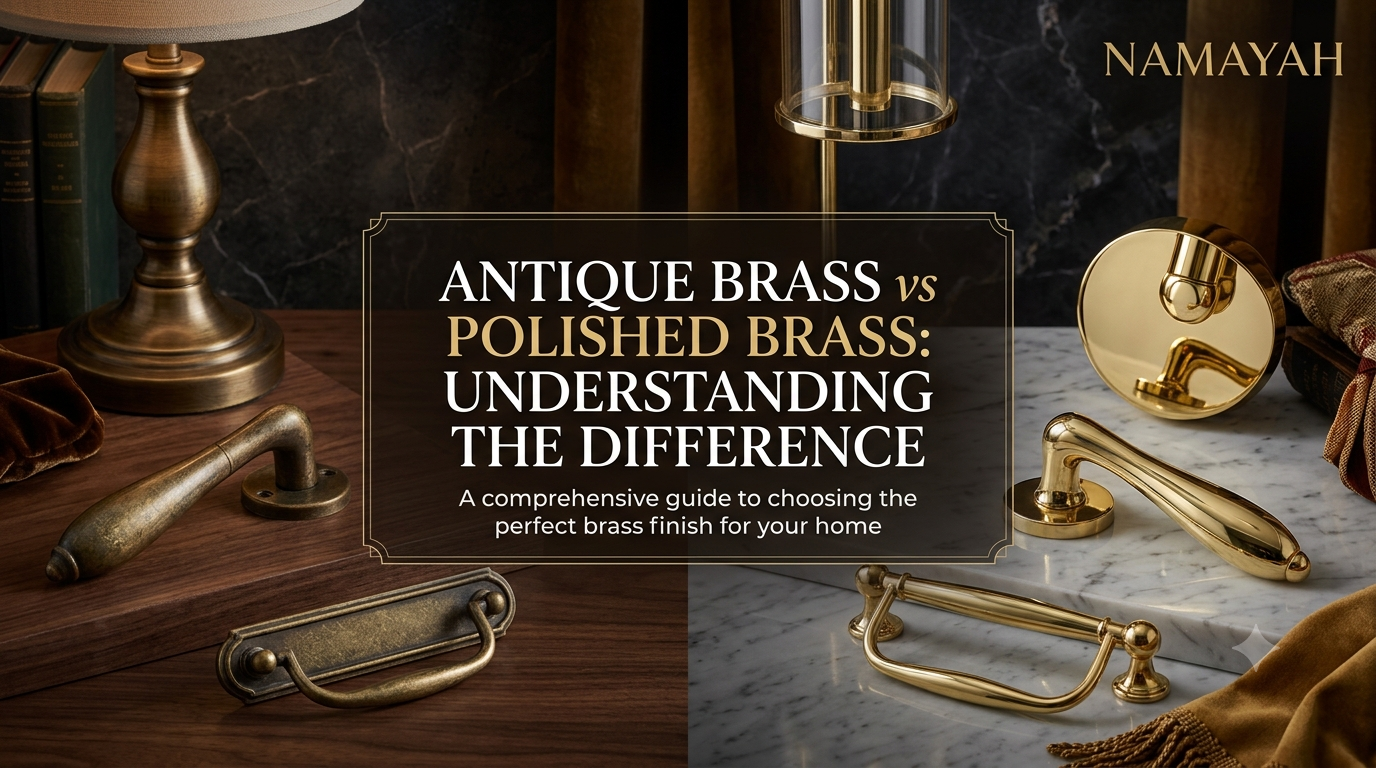
When choosing brass hardware, fixtures, lighting, faucets, or decorative accents, the finish can dramatically affect the overall appearance of a room. Antique brass and polished brass are both popular finishes, but they create very different visual effects.
The main difference is appearance: antique brass generally has a muted, aged, or darker look, while polished brass has a bright, reflective, and more lustrous appearance. The best choice depends on your preferred interior style, how much visual shine you want, and the look you want your hardware to create.
What Is Antique Brass?
Antique brass is a brass finish designed to have an aged or traditionally weathered appearance. It typically has deeper brown, golden, or muted brass tones rather than the bright yellow-gold appearance associated with highly polished brass.
The exact appearance can vary considerably between manufacturers. Some antique brass finishes are relatively dark, while others retain more of the warm golden color of brass.
Antique brass is often selected when a room calls for a traditional, vintage, rustic, transitional, or old-world aesthetic.
Because the finish is intentionally less reflective, it can also make hardware feel more understated. Instead of immediately drawing attention through shine, antique brass tends to blend with surrounding materials and furnishings.
What Is Polished Brass?
Polished brass has a smooth, highly reflective surface that emphasizes the warm golden color of brass. It is typically associated with a clean, bright, and decorative appearance.
Polished brass can work particularly well when you want hardware or fixtures to become a noticeable design feature. Its reflective surface catches light and can add visual warmth to a space.
Depending on the product and protective coating, polished brass may maintain its appearance differently over time. Therefore, the specific manufacturer’s finish and care instructions matter when comparing products.
Antique Brass vs Polished Brass: Key Differences
| Feature | Antique Brass | Polished Brass |
| Overall appearance | Aged, muted, traditional | Bright, glossy, reflective |
| Typical visual tone | Deeper and softer | Warmer and more luminous |
| Sheen | Low to moderate | High |
| Design character | Vintage and understated | Classic, bold, and decorative |
| Fingerprints | Often less noticeable | Can be more noticeable |
| Best for | Traditional, rustic, transitional interiors | Classic, contemporary, eclectic interiors |
| Maintenance | Depends on the product’s finish | Depends on the coating and product |
| Visual impact | Subtle | More prominent |
The table provides a useful starting point, but the differences become clearer when you consider each characteristic separately.
Appearance and Color
Appearance is usually the biggest difference between antique brass and polished brass.
Antique brass tends to look darker and more subdued. Its aged appearance can include brown, bronze-like, or muted golden undertones.
Polished brass is typically brighter and more reflective. Its smooth surface emphasizes the natural warmth associated with brass and can make fixtures stand out.
However, finish names are not completely standardized across every manufacturer. Two products described as “antique brass” may have noticeably different colors.
For this reason, it is useful to compare actual product samples rather than relying on the finish name alone.
Surface and Finish
Polished brass is characterized by its reflective surface. Light bounces from the smooth finish, creating a more noticeable shine.
Antique brass generally has a softer visual effect. Its surface treatment is intended to produce an aged appearance rather than a mirror-like reflection.
This distinction can affect how hardware looks under different lighting conditions.
A polished brass handle positioned near a window or strong artificial lighting may become a prominent feature. Antique brass hardware may appear more integrated into the surrounding design.
Maintenance and Cleaning
Neither finish should automatically be considered maintenance-free.
The appropriate cleaning method depends on the product, protective coating, and manufacturer’s instructions. Some brass products have clear protective coatings, while others are designed to develop or retain a particular finish as they age.
For either finish:
- Follow the manufacturer’s cleaning instructions.
- Avoid abrasive cleaning products unless specifically recommended.
- Use a soft cloth for routine cleaning.
- Avoid harsh scrubbing that could damage a decorative surface.
- Check whether the product has a protective coating before using brass polish.
Polished brass can make fingerprints, smudges, and water spots more visually apparent because of its reflective surface. Antique brass can be more forgiving of minor marks because its appearance is already intentionally subdued.
Durability and Aging
The durability of a brass finish depends on more than whether it is called antique or polished.
Factors can include:
- The underlying material
- Surface treatment
- Protective coating
- Manufacturing quality
- Frequency of use
- Exposure to moisture and chemicals
- Cleaning methods
An antique finish may be designed to retain an aged appearance, while some brass products can change naturally over time. Likewise, polished brass may retain its bright appearance when properly protected, but its surface can change if the finish or coating is worn or damaged.
Therefore, finish durability should be evaluated at the product level rather than assumed from the finish name alone.
Interior Design Styles
Antique brass is particularly suitable for interiors that emphasize warmth, character, and traditional details.
It can complement:
- Traditional interiors
- Vintage-inspired rooms
- Farmhouse designs
- Rustic spaces
- Transitional interiors
- Old-world-inspired decor
Polished brass can create a stronger decorative statement and can work with:
- Classic interiors
- Glamorous spaces
- Eclectic designs
- Contemporary interiors
- Mid-century-inspired rooms
- High-contrast interiors
Neither finish is limited to a single design style. The surrounding colors, materials, lighting, and furniture determine how the brass ultimately looks in the room.
Antique Brass vs Polished Brass for Different Applications
Both finishes can be used across many types of products, including:
- Cabinet knobs and pulls
- Door handles
- Faucets
- Bathroom accessories
- Light fixtures
- Mirrors and frames
- Furniture hardware
- Decorative accents
Kitchen Hardware
Antique brass can soften the appearance of cabinetry and work especially well with warm wood, cream, beige, and earthy colors.
Polished brass can create a more noticeable focal point, particularly against dark cabinetry or other contrasting surfaces.
Bathroom Fixtures
Antique brass can contribute to a relaxed, traditional atmosphere.
Polished brass can provide a brighter, more luxurious visual effect, particularly when paired with materials such as marble, stone, or dark-colored surfaces.
Door Hardware
Antique brass can make doors feel more traditional and established.
Polished brass can provide a crisp decorative detail and may be useful when you want hardware to stand out.
How to Choose Between Antique and Polished Brass
The right finish comes down to the look and level of visual impact you want.
Choose antique brass if you prefer:
- A softer appearance
- Vintage or traditional character
- Less visual shine
- Warm, muted tones
- Hardware that blends into the overall design
Choose polished brass if you prefer:
- A brighter appearance
- Noticeable shine
- A stronger decorative statement
- Reflective surfaces
- A classic or more glamorous look
If you’re uncertain, consider the other metal finishes already present in the room. Look at faucets, lighting, cabinet hardware, appliances, and decorative accents before making a decision.
Can You Mix Antique Brass and Polished Brass?
Yes, different brass finishes can be combined successfully when the combination looks intentional.
For example, a room might use one brass finish for major fixtures and another for smaller decorative details. The key is to create a visual relationship between the finishes rather than mixing metals randomly.
To make mixed finishes work:
- Choose one finish as the dominant metal.
- Use the second finish selectively.
- Repeat each finish more than once when possible.
- Consider the overall color palette.
- Keep the combination visually intentional.
It can also help to introduce other materials, such as wood, stone, glass, or painted surfaces, so the different finishes do not compete for attention.
Cleaning and Care Tips
Proper care can help preserve the appearance of brass-finished products.
Before cleaning, identify the manufacturer’s recommended care method. This is particularly important because aggressive cleaning can alter decorative finishes or protective coatings.
For routine maintenance, a soft, non-abrasive cloth is often appropriate, provided the manufacturer’s instructions allow it.
Avoid assuming that every brass-colored product should be treated with traditional brass polish. A product may have a surface coating or decorative finish that requires different care.
Common Mistakes to Avoid
Choosing Based Only on the Finish Name
“Antique brass” and “polished brass” can vary between manufacturers. Always look at actual product photographs or samples when possible.
Ignoring Existing Finishes
A beautiful brass finish may look out of place if it conflicts with the other metals and materials in the room.
Assuming Finish Equals Material
A product described as brass-colored or brass-finished is not necessarily made entirely from solid brass. Check the manufacturer’s specifications to understand the underlying material.
Using the Wrong Cleaning Product
Abrasive cleaners or inappropriate polishing products can damage some decorative finishes.
Buying Different Finishes Without Comparing Samples
Lighting can change how metallic finishes appear. Compare samples in the actual room whenever possible.
FAQs
Is antique brass the same as polished brass?
No. Antique brass generally has a darker, muted, aged appearance, while polished brass has a brighter and more reflective surface.
Which is more modern, antique brass or polished brass?
Neither finish is inherently modern or outdated. Polished brass can create a crisp, high-impact appearance, while antique brass can work well in contemporary spaces when combined with modern materials and simple forms.
Does antique brass tarnish?
The way an antique brass product changes over time depends on its material, surface treatment, protective coating, environment, and maintenance. Check the manufacturer’s specifications for the specific product.
Is polished brass difficult to maintain?
Polished brass can show fingerprints and water spots more readily because of its reflective surface. However, maintenance requirements vary according to the product and its protective finish.
Can antique brass and polished brass be used together?
Yes. They can be combined when the finishes are used intentionally and the overall design has a consistent visual balance.
Which brass finish is best for a traditional home?
Antique brass is often a natural choice for traditional interiors because its muted, aged appearance complements classic and vintage-inspired design. Polished brass can also work when a brighter decorative effect is desired.
Which brass finish is better for a bathroom?
Either can work. The choice depends on the bathroom’s overall style, color palette, lighting, and desired level of shine.
Does polished brass always stay shiny?
Not necessarily. Its long-term appearance depends on the product’s construction, surface treatment, protective coating, environment, and care.
Conclusion
The choice between antique brass vs polished brass is primarily a design decision, but practical factors such as cleaning, product construction, protective coatings, and the surrounding environment also matter.
Antique brass offers a muted, aged, and character-rich appearance, making it a strong option for traditional, rustic, vintage, and transitional spaces. Polished brass provides a bright, reflective, and more noticeable finish, making it useful when you want brass hardware or fixtures to become a stronger design feature.
Rather than choosing based solely on the name of the finish, compare samples, consider your existing materials, and follow the manufacturer’s care instructions. The best finish is the one that complements the room and provides the appearance you want over time.