
Small Luxury Décor Details That Make a Big Difference
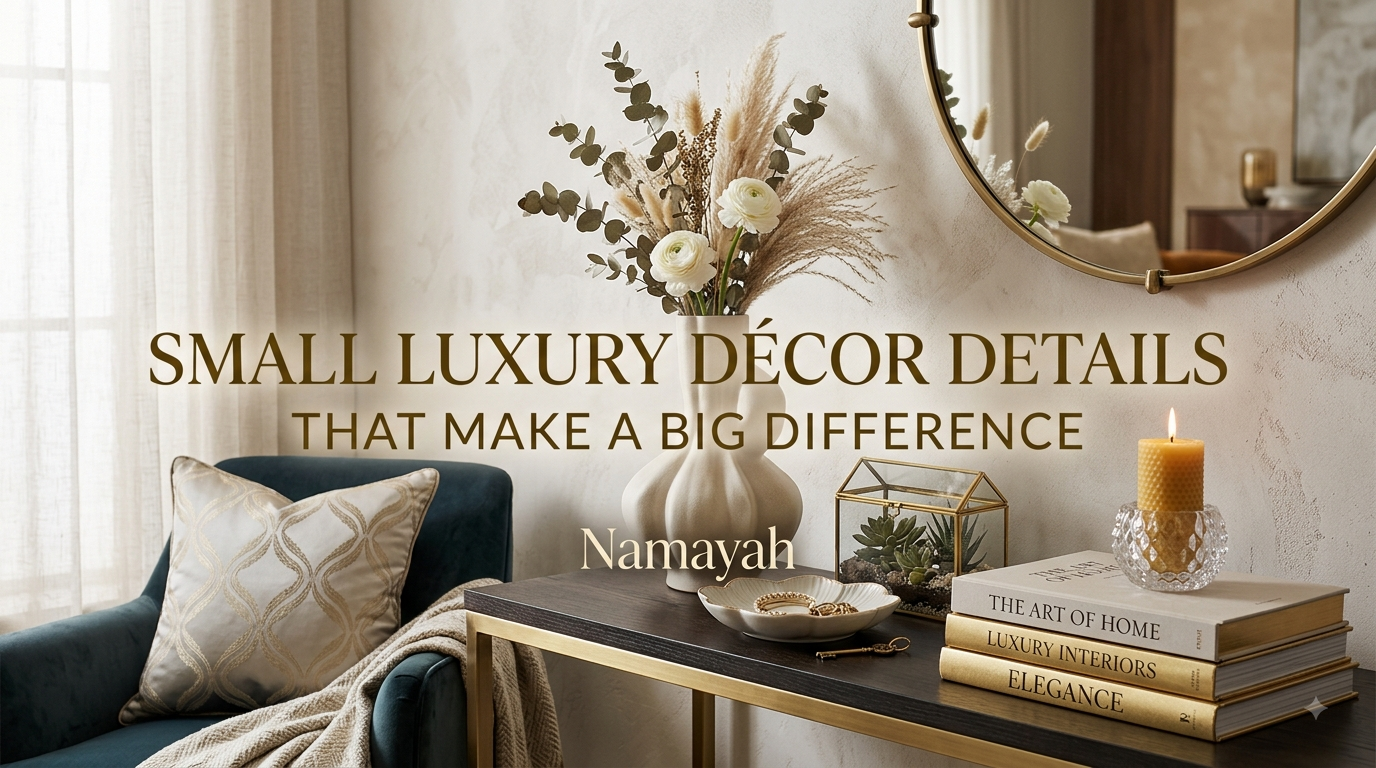
Luxury décor is not always about expensive furniture, oversized rooms, or major renovations. Often, the most sophisticated interiors rely on small details: warm lighting, beautiful textiles, polished hardware, thoughtful accessories, natural materials, and carefully edited displays.
The key is intentionality. A room can feel luxurious when every visible element looks considered and works together. By making a few strategic changes, you can create a more refined, comfortable, and visually polished home without replacing everything you own.
What Makes Décor Feel Luxurious?
Luxury décor typically comes from a combination of quality, proportion, texture, restraint, and consistency. Instead of filling a room with decorative objects, focus on selecting pieces that add character and function.
A luxurious interior often includes:
- Layered lighting rather than a single overhead fixture
- High-quality or visually rich fabrics
- Natural materials such as wood, stone, linen, and glass
- Coordinated hardware and finishes
- Artwork with intentional placement
- Decorative objects displayed selectively
- A restrained color palette
- Plenty of visual breathing room
You do not need every item to be expensive. The goal is to create a space that looks cohesive, feels comfortable, and has a sense of permanence.
Upgrade Your Lighting
Lighting is one of the fastest ways to change the atmosphere of a room.
A single bright ceiling light can make an interior feel flat. Instead, create layers with ceiling fixtures, table lamps, floor lamps, wall lighting, and accent lighting.
Consider replacing basic lampshades with textured or tailored alternatives. Add a small lamp to a console table or bookshelf. In a bedroom, bedside lamps can create a softer and more relaxing atmosphere than relying entirely on overhead lighting.
The fixture itself also matters. Materials such as metal, glass, ceramic, and fabric can introduce subtle sophistication.
When choosing lighting, consider the shape, scale, finish, and placement as much as the bulb.
Choose Elevated Textiles
Textiles can instantly make a room feel softer and more refined.
Think beyond basic cushions and curtains. Layer different textures through:
- Linen or linen-look curtains
- Wool or textured throws
- Velvet or woven accent cushions
- Plush area rugs
- Upholstered furniture
- Fabric lampshades
- Decorative bed linens
The trick is not to use every texture at once. Instead, combine a few complementary materials.
For example, a neutral sofa can look considerably more sophisticated with a textured throw, two carefully selected cushions, and a well-proportioned rug underneath.
Add Statement Hardware
Small hardware details are easy to overlook, but they can have a surprisingly strong visual effect.
Cabinet handles, drawer pulls, door hardware, and even switch plates contribute to the overall appearance of a room. Replacing generic hardware with thoughtfully selected pieces can give furniture and cabinetry a more finished appearance.
Depending on your interior style, consider finishes such as brushed metal, aged metal, polished metal, ceramic, or dark hardware.
Consistency is important. You do not necessarily need every finish in your home to match, but finishes should feel deliberately coordinated rather than random.
Use Decorative Trays
A decorative tray is a simple styling tool that can make everyday objects look more organized.
Place a tray on a coffee table, console, vanity, kitchen island, or bedroom dresser. Use it to group items such as candles, books, a small vase, or a decorative object.
Grouping objects creates a visual boundary and makes the arrangement appear intentional.
A tray can also prevent a surface from becoming cluttered. Rather than scattering several small items across a table, arrange a curated selection together.
Bring in Natural Materials
Natural materials can add warmth, depth, and visual interest to an interior.
Wood, stone, linen, rattan, ceramic, glass, and natural fibers can all contribute to a sophisticated atmosphere.
You can introduce these materials through small objects rather than major furniture purchases. A wooden bowl, stone coaster, ceramic vase, woven basket, or glass vessel may be enough to add another layer of texture.
Natural materials also work well with neutral interiors because they prevent soft color schemes from becoming visually dull.
Display Fewer, Better Accessories
One of the simplest luxury décor principles is to avoid excessive decoration.
When every surface is covered with accessories, individual pieces can lose their impact. Instead, choose fewer objects and give them enough space to stand out.
Try grouping accessories in odd-numbered arrangements, varying their height, and mixing shapes and textures.
For example, a console might need only:
- A statement mirror or artwork above it
- A sculptural vase
- A small decorative object
- A stack of attractive books
The exact pieces matter less than the composition.
Layer Mirrors and Artwork
Walls can dramatically influence how polished a room feels.
A well-placed mirror can add depth and reflect light, while artwork can introduce personality and a sense of completion.
Instead of hanging artwork too high or placing small pieces randomly, consider the relationship between the artwork, furniture, ceiling height, and surrounding negative space.
For a stronger effect, layer framed artwork with other wall elements or place a mirror where it can reflect an attractive part of the room.
The goal is not to fill every wall. Empty space can be part of the design.
Create a Luxurious Bedroom
A bedroom should feel calm, comfortable, and deliberately styled.
Start with the bed because it is usually the visual focal point. Layer bedding with different textures and finishes rather than relying on a single flat layer.
Add two or three decorative cushions, a folded throw, and bedside lighting. A padded or upholstered headboard can also introduce softness and structure.
Small details can make a major difference:
- Coordinated bedside lamps
- Attractive drawer pulls
- A soft area rug
- A decorative tray
- Framed artwork
- Quality-looking bedding
- A small vase or sculptural object
Keep bedside surfaces relatively clear. A restrained arrangement tends to feel more sophisticated than a crowded nightstand.
Elevate the Living Room
The living room benefits from thoughtful layering.
Begin by making sure the rug is appropriately sized for the seating arrangement. Then add cushions, throws, lighting, artwork, and a few carefully selected accessories.
Coffee tables often look better when styled in layers. Combine something tall, something low, something textured, and something functional.
Books can also work as decorative elements when they are genuinely relevant to your interests. Stack a small selection and place an object or vessel on top.
Remember that comfort is part of luxury. A beautiful living room should still feel inviting and usable.
Make the Dining Area Feel Special
A dining area does not need elaborate decoration to feel elegant.
A well-chosen centerpiece can create an immediate focal point. Try a low arrangement that allows people to see across the table, or use a sculptural vase with seasonal greenery.
Table linens, napkins, glassware, and candleholders can also create a more refined atmosphere for special occasions.
Even when the table is not being used, keep the arrangement simple. One attractive centerpiece can often have more impact than numerous small decorations.
Refresh the Bathroom
Bathrooms are ideal places for small luxury upgrades.
Replace tired accessories with coordinated pieces such as soap dispensers, trays, containers, towels, and storage baskets. Matching or complementary finishes can make the room feel more cohesive.
Soft towels are another simple way to improve the experience. Fold or roll them neatly and keep unnecessary packaging out of sight.
You can also introduce a small plant, framed artwork, decorative vessel, or subtle fragrance to make the space feel more considered.
The aim is to create a clean, calm environment rather than overcrowd the room.
Use Scent as a Décor Detail
Luxury is not purely visual. Scent can contribute to how a room feels.
Candles, diffusers, and other home fragrances can add another sensory layer. Choose scents that complement the purpose of the room rather than overpowering it.
For example, relaxing fragrances may work well in bedrooms and bathrooms, while fresh or subtle scents can suit shared living spaces.
Keep fragrance understated. A sophisticated atmosphere rarely needs to be overwhelming.
Avoid Common Luxury Décor Mistakes
Trying too hard to make a room look luxurious can have the opposite effect.
Common mistakes include:
- Using too many decorative accessories
- Mixing too many unrelated finishes
- Choosing furniture that is too large or too small
- Ignoring lighting
- Matching every item too perfectly
- Filling every empty wall
- Using decorative pieces without considering function
- Prioritizing appearance over comfort
Luxury décor is usually more about editing than adding.
Before buying another accessory, step back and ask whether the room actually needs it.
How to Create a Luxury Look on a Budget
You can create a more luxurious atmosphere without making a major investment.
Start with the changes that have the greatest visual impact. Declutter surfaces, improve lighting, rearrange furniture, upgrade textiles, and coordinate small hardware details.
Then introduce a few focal pieces rather than purchasing many inexpensive decorations.
A useful approach is to spend more selectively on items that receive frequent visual or physical attention, while keeping supporting accessories simple.
For example, one well-chosen lamp may have more impact than several small decorative objects.
You can also shop your existing home. Move artwork, lamps, cushions, vases, and accessories between rooms to test different combinations before buying anything new.
A Simple Formula for More Refined Décor
If you are unsure where to begin, use this simple formula:
Edit + Layer + Balance + Personalize.
Edit: Remove objects that create unnecessary visual noise.
Layer: Add different textures, heights, materials, and lighting sources.
Balance: Consider scale, proportion, color, and placement.
Personalize: Include objects, artwork, books, or materials that reflect your taste.
This approach helps prevent a room from looking like a showroom. The most successful interiors usually combine sophistication with personality.
FAQs About Small Luxury Décor Details
What are the easiest luxury décor upgrades?
Improving lighting, adding textured textiles, upgrading hardware, decluttering surfaces, and introducing a few carefully selected accessories are among the easiest ways to make a room feel more refined.
How can I make my home look luxurious without spending a lot?
Focus on presentation rather than quantity. Declutter, rearrange existing furniture, improve lighting, coordinate accessories, add textiles, and use natural materials. A few intentional changes can make a larger visual difference than buying many new decorations.
What colors make a home look luxurious?
Neutral and muted colors often provide a sophisticated foundation, but there is no single luxury color palette. The most important factor is creating a cohesive combination of colors rather than choosing a specific shade simply because it is associated with luxury.
Do decorative accessories make a room look more expensive?
They can, when used selectively. Too many accessories can create clutter. Choose a few pieces with interesting shapes, textures, materials, or personal meaning and give them enough space to stand out.
How important is lighting in luxury interior design?
Lighting is extremely important because it affects atmosphere, shadows, texture, and how other décor elements are perceived. Layering different types of lighting can make a room feel warmer and more sophisticated.
What materials make décor look more luxurious?
Wood, stone, glass, linen, wool, ceramic, and quality metals can introduce depth and texture. You do not need to use expensive versions of every material; thoughtful combinations can create a refined effect.
How many decorative items should I put on a coffee table?
There is no fixed number. Focus on composition rather than quantity. A small group of objects with different heights and textures can often look more polished than a crowded arrangement.
Can a small room look luxurious?
Yes. In a small room, proportion and editing become especially important. Use appropriately scaled furniture, layered lighting, reflective surfaces, cohesive colors, and limited accessories to create a sophisticated look without making the space feel crowded.
Conclusion
The secret to successful luxury décor is rarely the number of expensive things in a room. It is the attention given to the small details.
Beautiful lighting, tactile textiles, coordinated hardware, natural materials, intentional accessories, and thoughtful styling can transform an ordinary interior into a space that feels polished and personal.
Start small. Improve one area at a time, remove visual clutter, and choose pieces that genuinely complement your home. When every detail has a purpose, even modest changes can make a big difference.