
How to Create a Sophisticated Home Office with Handmade Décor
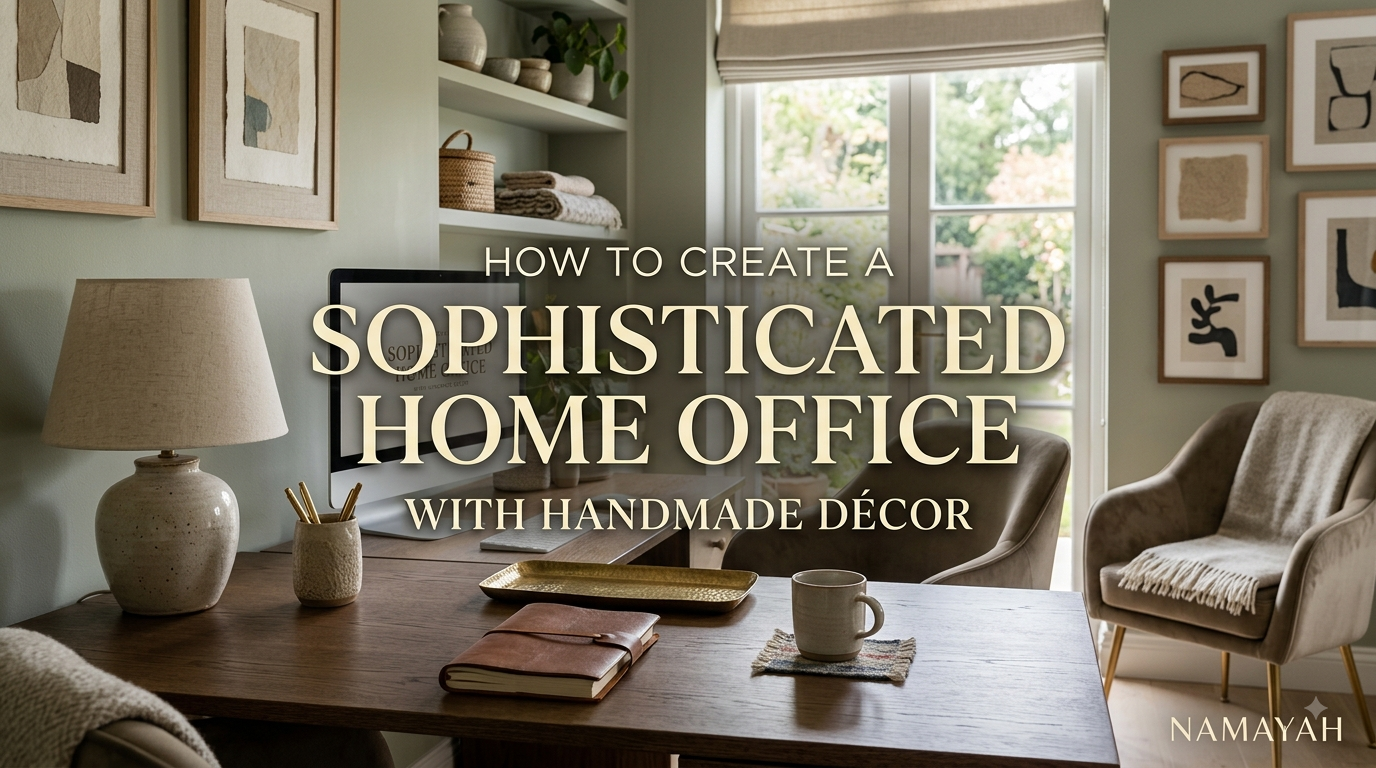
A sophisticated home office does not have to look like a corporate showroom. The most inviting workspaces combine thoughtful furniture, useful organization, carefully chosen colors, and distinctive decorative details. Handmade décor can make a home office feel more refined because each piece can introduce craftsmanship, texture, character, and visual warmth.
The key is intentionality. Instead of filling the room with handmade objects, select a few pieces that complement the furniture, support the function of the workspace, and reinforce a consistent design style.
Why Handmade Décor Works in a Sophisticated Home Office
Handmade décor can give a home office a sense of individuality that mass-produced accessories may not provide.
A hand-finished ceramic vase, woven wall hanging, carved wooden tray, artisan lamp, or handcrafted storage box can become a subtle focal point. These pieces can also introduce natural variations in texture and finish, helping the room feel layered rather than overly uniform.
However, sophistication usually comes from restraint. A small number of distinctive pieces can have more impact than a desk crowded with accessories.
Think of handmade décor as an accent rather than the entire design theme.
Start With a Refined Design Foundation
Before choosing decorative pieces, establish the foundation of the room.
Consider the desk, chair, shelving, flooring, window treatments, and larger storage pieces first. Handmade accessories will look more intentional when they are placed within a coherent interior.
Choose a Cohesive Color Palette
A restrained palette can make a home office feel elegant and organized.
Neutral shades such as warm white, beige, taupe, charcoal, brown, and muted green provide a versatile foundation. You can then introduce one or two accent colors through artwork, ceramics, textiles, or decorative objects.
For example, a room with warm wood furniture and cream walls could incorporate handmade décor in earthy greens and soft terracotta tones.
The goal is not to match every item exactly. Instead, choose colors that share a visual relationship.
Prioritize Quality Materials
Materials have a major influence on how sophisticated a space feels.
Consider incorporating:
- Natural wood
- Linen
- Cotton
- Wool
- Stone
- Ceramic
- Glass
- Woven fibers
- Metal with a refined finish
Combining different textures can make a relatively simple office feel more considered. A smooth wooden desk, woven basket, ceramic object, and soft textile can create contrast without overwhelming the room.
Choose Handmade Pieces With Purpose
The best handmade décor serves a clear visual or practical purpose.
Before buying or displaying an item, ask whether it does at least one of three things:
- Improves the functionality of the workspace.
- Adds texture or visual interest.
- Expresses your personal style.
If it does none of these, it may simply contribute to clutter.
Add an Artisan Desk Accessory
The desk is one of the easiest places to introduce handmade details.
A handcrafted wooden tray can organize stationery and small essentials. A ceramic pen holder can replace a generic plastic container. A hand-carved paperweight can provide a small decorative accent without taking up much space.
Choose accessories that complement the desk rather than compete with it.
If the desk already has a strong wood grain or dramatic finish, keep the accessories relatively understated.
Use Handmade Wall Décor
Walls provide an opportunity to add personality without reducing desk space.
Consider:
- Handwoven textiles
- Original artwork
- Framed botanical prints
- Handmade ceramic wall pieces
- Artisan photography
- Sculptural objects
- Handcrafted mirrors
A large statement piece can work particularly well behind or beside the desk.
Alternatively, create a small gallery arrangement using several complementary pieces. Keep the spacing consistent so the collection feels deliberate rather than random.
Introduce Handcrafted Storage
Storage is one of the most useful areas for handmade décor.
Woven baskets, wooden boxes, fabric organizers, and handcrafted shelving can hide office supplies while adding texture to the room.
Open shelving can display a carefully edited selection of books and decorative objects. Closed storage is useful for items that would otherwise make the workspace appear busy.
A sophisticated office generally benefits from a balance between displayed objects and concealed storage.
Create Layers With Lighting and Texture
Good lighting can dramatically influence the atmosphere of a home office.
Start with the room’s existing natural light and supplement it with task lighting and ambient lighting where needed.
A handcrafted table lamp can become both a practical light source and a decorative feature. Materials such as ceramic, wood, linen, or metal can introduce another layer of texture.
You can also add softness through textiles. A woven rug, linen curtains, upholstered chair, or small textile wall hanging can balance harder surfaces such as desks, shelves, and flooring.
The objective is to create a workspace that feels comfortable without becoming visually busy.
Balance Handmade Pieces With Modern Furniture
One of the easiest ways to keep handmade décor sophisticated is to combine it with clean-lined furniture.
For example, a contemporary desk can be paired with:
- A handcrafted ceramic lamp
- A woven basket
- A carved wooden tray
- A textured wall hanging
- A small artisan sculpture
This contrast helps handmade pieces stand out.
If every element in the room has a highly rustic, ornate, or vintage appearance, the overall design may become less polished. Modern furniture provides visual structure, while handmade pieces supply personality.
Style the Desk Without Creating Distractions
A beautiful desk still needs to function as a work surface.
Start by keeping the essentials within easy reach. Then add one or two decorative objects.
A simple arrangement might include a desk lamp, a small tray, a notebook, and a single handcrafted object.
Leave enough open space to work comfortably.
You can also use vertical space to reduce visual clutter. A wall-mounted shelf, pinboard, or artwork arrangement can keep decorative elements away from the main working surface.
Bring Nature Into the Workspace
Natural elements can complement handmade décor particularly well.
A small plant, branch arrangement, dried botanical display, or wooden accessory can introduce organic forms and softer visual lines.
Plants should be selected according to the room’s available light and your ability to maintain them. If live plants are impractical, a small arrangement of dried materials can provide a similar decorative function.
Natural elements also pair naturally with materials such as ceramics, woven fibers, and wood.
Common Handmade Décor Mistakes to Avoid
Handmade décor can lose its sophisticated effect when it is used without a clear design strategy.
Overcrowding the space: Too many decorative objects compete for attention. Edit the collection regularly.
Mixing too many styles: Combining unrelated rustic, industrial, bohemian, traditional, and contemporary pieces can make the room feel inconsistent.
Ignoring scale: A tiny decorative object may disappear in a large room, while an oversized piece can overwhelm a small office.
Sacrificing functionality: Décor should not interfere with your computer, writing area, storage, or movement around the room.
Using only one texture: A room filled exclusively with smooth or hard surfaces can feel flat. Introduce textiles, woven materials, wood, and ceramics for contrast.
Following trends too closely: A sophisticated office should reflect your preferences rather than depend entirely on temporary design trends.
How to Maintain a Sophisticated Look Over Time
A well-designed office should evolve without accumulating unnecessary objects.
Periodically review the décor and remove pieces that no longer serve a purpose. Rotate artwork or small accessories if you enjoy changing the atmosphere, but keep the overall color palette and material language consistent.
You can also make the workspace feel fresh by replacing one small item at a time rather than redesigning the entire room.
The most successful approach is to build the collection gradually. Handmade pieces often have stronger visual character, so choosing fewer, better-fitting objects can create a more distinctive result.
FAQs About Handmade Home Office Décor
What handmade décor is best for a sophisticated home office?
Handmade décor that combines beauty and function works particularly well. Consider artisan lamps, ceramic accessories, woven baskets, wooden trays, handcrafted storage, original artwork, and understated sculptures.
How can I make handmade décor look modern?
Pair handmade objects with clean-lined furniture, a restrained color palette, simple lighting, and uncluttered surfaces. The contrast between contemporary furniture and crafted accessories can create a polished look.
How many decorative pieces should I put on my desk?
There is no universal number, but keeping the desktop relatively open is usually practical. Start with essential items plus one or two decorative accents, then adjust according to the size and function of the desk.
What colors work well with handmade home office décor?
Warm neutrals, natural wood tones, muted greens, soft blues, charcoal, beige, cream, and earthy accent colors can work well. Choose a palette that complements the room’s existing furniture and finishes.
Can handmade décor work in a small home office?
Yes. In a small office, focus on pieces that provide function as well as decoration. Wall art, compact lamps, woven storage, floating shelves, and small ceramic objects can add personality without consuming valuable floor or desk space.
How do I prevent handmade décor from making my office look cluttered?
Use visual restraint. Group related objects, leave negative space around important pieces, use concealed storage for supplies, and avoid displaying every decorative item you own.
Is handmade décor suitable for a minimalist home office?
Yes. Minimalism does not mean eliminating personality. A carefully selected handmade object can become a focal point while keeping the rest of the room simple.
How can I combine different handmade materials?
Choose materials that create contrast without competing. For example, pair smooth ceramics with woven fibers, natural wood with linen, or matte finishes with subtle metallic details.
Conclusion
Creating a sophisticated home office with handmade décor is less about adding more objects and more about choosing the right ones.
Begin with a refined foundation of furniture, colors, lighting, and storage. Then introduce handmade pieces that add craftsmanship, texture, personality, or practical value. Keep the desk functional, balance crafted objects with contemporary elements, and use natural materials to create warmth.
Most importantly, let the décor reflect your personal taste. A sophisticated workspace should not feel staged. It should feel like a carefully considered environment where you can work comfortably and confidently.