
How to Create a Warm and Inviting Dining Space
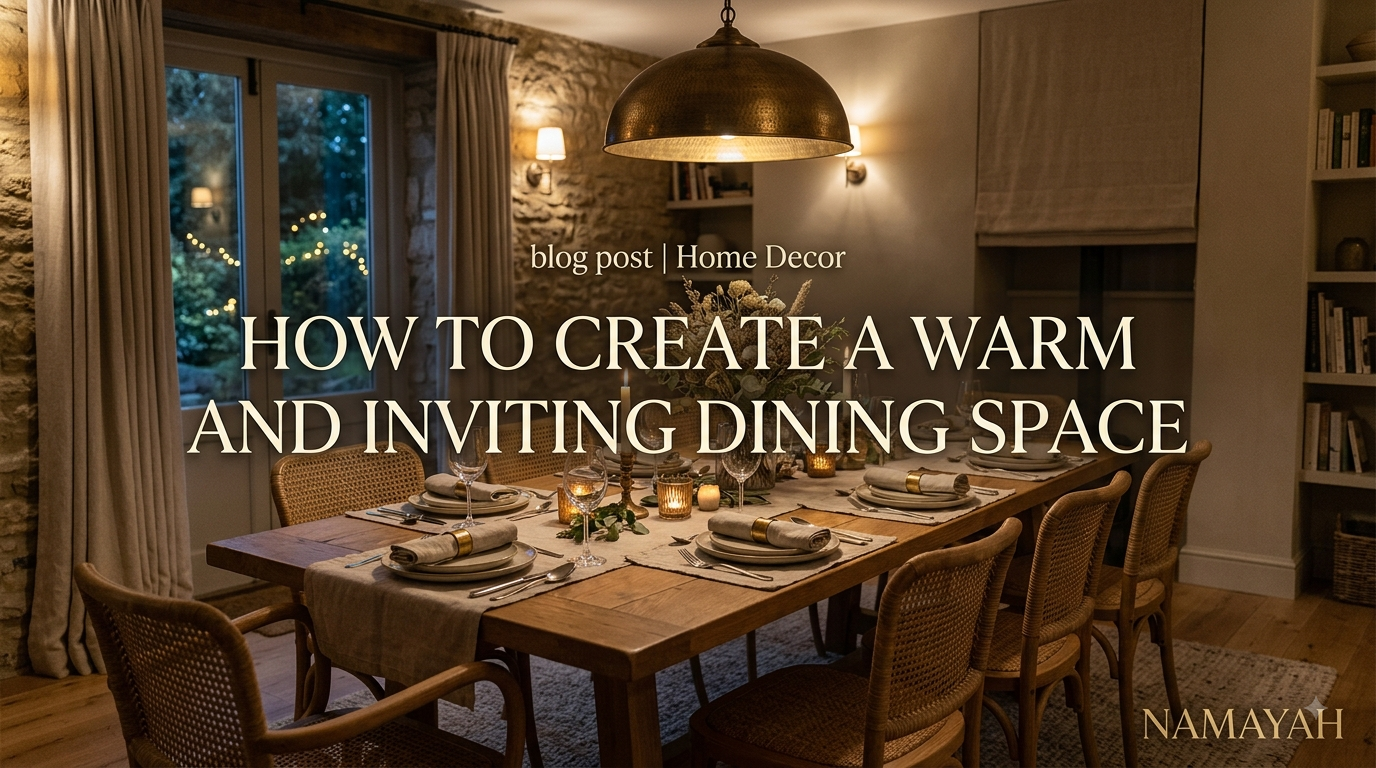
A dining space should do more than provide somewhere to eat. It should make people feel comfortable enough to sit down, talk, relax, and enjoy a meal together. The good news is that you do not need a large room or an expensive renovation to create that feeling.
The most effective approach is to combine comfortable furniture, warm colors, layered lighting, natural materials, personal décor, and a practical layout. Current interior-design guidance also places greater emphasis on layered textures, personal objects, warm neutrals, and lighting that can change with the occasion.
Start With the Right Dining Table
The dining table is the visual and functional centre of the room, so start here before choosing accessories.
Consider the size of your room, the number of people you usually seat, and how you use the space. A rectangular table can work well in a longer room, while a round or square table can make a compact dining area feel more intimate. The goal is not simply to fit the largest possible table. You also need enough room for people to sit down, pull out chairs, serve food, and move around comfortably.
Choose a finish that suits your lifestyle. Wood can introduce natural warmth, while stone, laminate, or other easy-care surfaces may be practical for households that use the dining table frequently.
Choose Comfortable Dining Chairs
Beautiful chairs will not create an inviting dining space if nobody wants to sit in them.
Look for chairs that provide adequate back support and have a comfortable seat height. Upholstered chairs can add softness and visual warmth, while wood, cane, or woven designs can bring natural texture.
You do not necessarily need identical furniture throughout the room. Mixing complementary materials or chair styles can make the space feel more collected and personal rather than like a showroom.
For everyday family dining, also consider maintenance. Durable, wipeable upholstery or easily cleaned materials can be more practical than delicate fabrics.
Use Warm and Welcoming Colors
Color can influence how intimate or spacious a dining area feels. Warm neutrals, earthy tones, muted terracotta, ochre, caramel, beige, and soft brown can create a cozy backdrop without making the room feel overly dark. Dulux India similarly recommends nature-inspired warm and muted colors for creating a more intimate dining atmosphere.
You do not have to paint every wall a deep shade. A neutral room can feel warm when you introduce color through:
- Dining chairs
- Curtains
- Rugs
- Artwork
- Table linens
- Decorative ceramics
- Flowers or plants
If your dining area connects directly to a living room or kitchen, repeat one or two colors between the spaces to create visual continuity.
Make Lighting the Focal Point
Lighting is one of the most important elements when you want to create a warm and inviting dining space.
A pendant light or chandelier positioned above the dining table can establish a clear focal point while providing practical illumination. Architectural Digest India notes that combining overhead lighting with softer sources such as sconces can help create both function and ambiance.
Choose a fixture that is proportional to the table. A very small fixture may disappear visually, while an oversized one can dominate a compact room.
For a long rectangular table, a linear pendant or multiple smaller fixtures can provide more balanced illumination.
Layer Your Dining Room Lighting
Avoid relying entirely on one bright ceiling light. Layered lighting gives you greater control over the mood.
Consider combining:
- Pendant or chandelier lighting above the table
- Ambient lighting for general illumination
- Wall sconces or lamps for softer accent lighting
- Decorative lighting to highlight artwork, shelving, or architectural details
A dimmer can make the arrangement even more flexible. You might use brighter light for breakfast or homework and lower, softer illumination for an evening meal.
Warm lighting is particularly useful when the goal is a relaxed atmosphere. Several current Indian dining-room design guides recommend warm-white lighting and layered sources rather than relying on a single harsh overhead fixture.
Add Texture With Rugs and Fabrics
Texture prevents a dining space from feeling flat or overly formal.
A rug beneath the dining table can visually define the eating area, particularly in an open-plan home. Make sure it is large enough that dining chairs remain on the rug when pulled away from the table.
You can also introduce softness through:
- Curtains
- Upholstered chairs
- Table runners
- Fabric placemats
- Cushions on bench seating
- Woven baskets
- Textured wall finishes
If you already have several patterns in the room, keep the remaining textiles relatively simple.
Bring in Natural Materials
Natural materials can add warmth without requiring lots of decoration.
Wood, cane, rattan, linen, cotton, ceramics, stone, and woven materials can create a more tactile and relaxed environment. Asian Paints’ Beautiful Homes also highlights materials such as rattan, cane, and light oak as ways to add warmth without visually weighing down a room.
Try combining materials rather than using only one. For example, a wooden table, upholstered chairs, woven pendant, ceramic centrepiece, and linen curtains can create layers without looking excessively decorated.
Decorate the Walls
Bare walls can make a dining room feel unfinished. Artwork gives the space personality and helps connect the dining area with the rest of your home.
Good options include:
- Family photographs
- Paintings or prints
- A small gallery wall
- Mirrors
- Textured wall panels
- Decorative plates
- One large statement artwork
Choose pieces that mean something to you rather than filling every available wall simply because it is empty. Personal artwork and collected objects are increasingly being used to make interiors feel more authentic and lived-in.
Keep the Table Décor Simple
Your dining table should look inviting when it is not being used, but it still needs to remain functional.
A simple centrepiece can be enough. Try a ceramic bowl, vase of flowers, small plant, candleholders, or a decorative tray.
For everyday dining, avoid creating a centrepiece that needs to be moved every time you serve food. A low arrangement is generally easier to live with than something tall that blocks conversation across the table.
For special occasions, you can add coordinated table linens, dinnerware, glassware, and candles.
Add Plants and Natural Elements
Plants can bring color and life to a dining area. If the room receives enough natural light, consider a potted plant near a window, a small arrangement on a sideboard, or fresh greenery as a table centrepiece.
If maintaining live plants is difficult, natural branches, dried arrangements, flowers, or botanical artwork can provide a similar visual connection with nature.
Keep plant placement practical. Avoid putting large planters where they obstruct walkways or make chairs difficult to pull out.
Create Better Flow and Function
An inviting dining room should be easy to move through.
Before buying furniture, measure the room and mark the approximate footprint of the table and chairs. This simple step can prevent a common mistake: choosing furniture that looks good individually but leaves too little circulation space.
Think about how people actually use the room. If the dining area sits beside the kitchen, make sure there is a convenient path between food preparation and the table. If it is part of an open-plan living area, use a rug, lighting fixture, furniture arrangement, or artwork to visually define the dining zone.
Function should come before decoration.
Make a Small Dining Space Feel Inviting
A small dining area does not need to feel cramped.
Start by choosing appropriately scaled furniture. A round table can sometimes make circulation easier in a compact room because it eliminates sharp corners. A bench placed against a wall can also provide seating without requiring the same clearance as chairs on every side.
Use light-reflecting surfaces carefully, keep visual clutter under control, and consider a mirror where it makes sense. Warm colors do not have to be dark; soft beige, muted peach, warm white, and light wood can create coziness without overwhelming the room.
Avoid Common Dining Room Design Mistakes
Some design choices can unintentionally make a dining area feel cold or uncomfortable.
Using only harsh overhead lighting
A single bright ceiling fixture can create strong shadows and make the room feel less relaxed. Layer different light sources instead.
Choosing furniture without measuring
An oversized table can make even a beautiful room difficult to use. Measure before buying.
Over-decorating
Too many accessories compete for attention and make the table harder to use. Edit your décor and give meaningful pieces room to stand out.
Ignoring comfort
Dining furniture is not just decoration. If the chairs are uncomfortable, the room will not encourage people to linger.
Creating a showroom look
Matching every item can make a dining area feel impersonal. Mix complementary textures, finishes, and meaningful objects for a more lived-in result.
These principles align with recent interior-design advice emphasizing intentional styling, layered comfort, personal pieces, and avoiding visual clutter.
Create the Right Atmosphere for Every Occasion
One of the best dining spaces is one that can change with the occasion.
For an everyday family meal, keep the table practical and the lighting comfortable. For guests, introduce a more considered centrepiece, candles, table linens, and softer lighting.
You can also change the atmosphere seasonally without redesigning the entire room. Fresh flowers, different textiles, artwork, or a new table runner can give the space a fresh appearance at relatively low cost.
The key is flexibility. Your dining room should support everyday life as well as celebrations.
Frequently Asked Questions
What makes a dining space feel warm and inviting?
Comfortable seating, warm lighting, natural materials, welcoming colors, personal décor, and an uncluttered layout are the main ingredients. The room should feel comfortable enough for people to stay and talk after the meal.
What colors are best for a cozy dining room?
Warm neutrals, beige, terracotta, ochre, caramel, muted pink, earthy brown, and other nature-inspired shades can create an intimate atmosphere. The best choice depends on your existing furniture, natural light, and overall home style.
What type of lighting is best for a dining room?
A pendant or chandelier above the dining table works well as the main focal light. Combine it with ambient or accent lighting, and consider a dimmer so brightness can change according to the occasion.
How can I make a small dining room look bigger?
Choose appropriately scaled furniture, keep walkways clear, reduce visual clutter, and use light colors and reflective surfaces where appropriate. A round table may also work well in some compact layouts.
Should I put a rug under my dining table?
A rug can help define the dining zone and add texture. Choose one large enough for the table and chairs, including when the chairs are pulled out. Select a practical, easy-to-clean material if the area receives frequent use.
How do I decorate a dining table without making it cluttered?
Choose one simple focal point, such as a vase, bowl, tray, plant, or low floral arrangement. Keep enough clear surface for serving food and everyday use.
How can I make my dining room feel more personal?
Use artwork, photographs, handmade ceramics, collected objects, books, plants, or other pieces that reflect your personality. Personal details can make the room feel less generic and more connected to the people who use it.
How often should I update my dining room décor?
There is no fixed schedule. Rather than replacing everything when trends change, update small elements such as textiles, artwork, lighting, or table décor when the room no longer suits your needs or taste.
Conclusion
Creating a warm and inviting dining space is less about buying expensive furniture and more about making thoughtful choices.
Start with a table and chairs that suit the room and your lifestyle. Then build warmth through a considered color palette, comfortable textures, natural materials, personal artwork, simple table décor, and—most importantly—layered lighting.
The best dining space is not necessarily the most elaborate one. It is the room where the furniture is comfortable, the lighting feels right, movement is easy, and people naturally want to stay a little longer after the meal.