
Entryway Décor Ideas That Create a Memorable First Impression
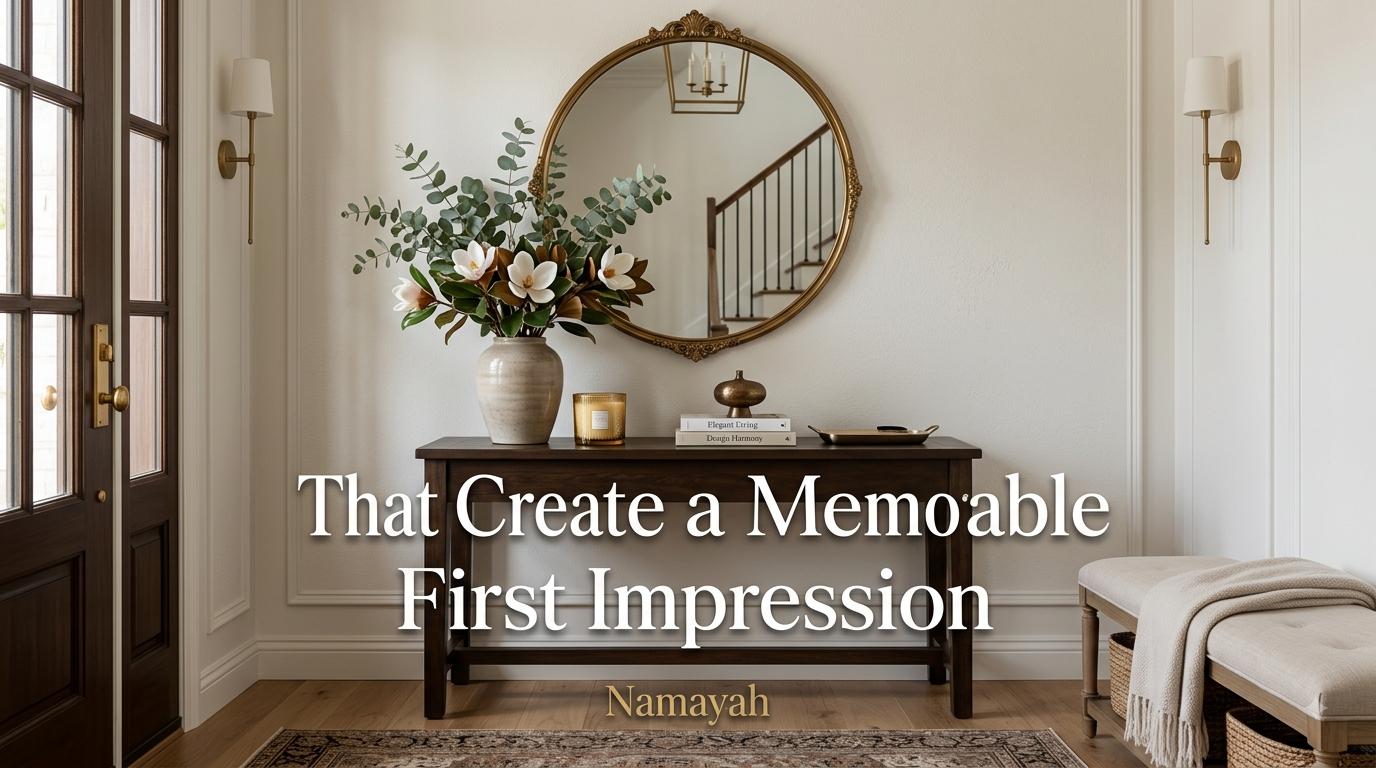
Your entryway is more than a place to take off your shoes. It is the first part of your home that guests see and one of the spaces you experience every day. The right entryway décor ideas can make this area feel welcoming, polished, practical, and connected to the rest of your interior.
Whether you have a spacious foyer or a narrow hallway, you can create an attractive entrance by combining a few thoughtful elements: a mirror, suitable lighting, functional storage, a well-sized rug, natural textures, and personal accents. The key is to balance visual appeal with everyday function so the entryway looks inviting without becoming cluttered.
Why Entryway Décor Matters
First impressions are often shaped by the spaces we encounter first. An entryway can immediately communicate the atmosphere and personality of a home.
A thoughtfully decorated entrance can:
- Create a warm welcome for visitors
- Establish the home’s overall design style
- Provide convenient storage for everyday items
- Make a small space feel larger
- Add personality without requiring a major renovation
- Create a practical transition between outdoors and indoors
The best entryways are not necessarily the largest or most expensive. They are spaces where furniture, lighting, accessories, and storage work together.
Start With a Clear Design Direction
Before buying décor, consider the style you want your entryway to communicate.
A minimalist entrance may benefit from a slim console, simple mirror, neutral colors, and limited accessories. A traditional space might work better with wood furniture, classic artwork, and warm lighting. For a contemporary entryway, consider clean lines, sculptural accents, and a restrained color palette.
Think about the existing décor in nearby rooms as well. Your entryway should feel like part of the home rather than a completely separate space.
Add a Statement Mirror
A mirror is one of the most versatile entryway décor choices. It can serve a practical purpose while also becoming a focal point.
Place a mirror above a console table or on a prominent wall. Choose the shape and frame according to the room’s style. A round mirror can soften a space filled with straight lines, while a rectangular design can reinforce a more structured look.
Mirrors can also help reflect available light and create a greater sense of openness, particularly in smaller entrances.
Choose a Console Table That Fits the Space
A console table provides a natural foundation for entryway styling. It gives you a surface for lamps, decorative objects, artwork, bowls, books, or seasonal accents.
However, proportion matters.
For a narrow entryway, choose a slim console that leaves enough room for comfortable movement. In a larger foyer, a wider piece can anchor the wall and create a stronger visual presence.
Avoid filling every inch of the tabletop. Leaving some open space makes the arrangement feel more intentional.
Layer the Right Lighting
Good lighting can transform the atmosphere of an entryway.
If your entrance has limited natural light, consider combining multiple sources. A ceiling fixture can provide general illumination, while a table lamp or wall light can create a softer layer.
For a decorative touch, choose a light fixture that complements the home’s style. A sculptural pendant, elegant chandelier, or simple modern fixture can function as both lighting and décor.
The goal is to create enough light for practical tasks without making the entrance feel harsh.
Define the Space With a Rug
An entryway rug adds warmth, texture, and visual definition. It can also help distinguish the entrance from adjoining rooms in an open floor plan.
Choose a rug that fits the dimensions of the space without obstructing doors or creating a tripping hazard. For busy entrances, practical materials and patterns can help make everyday wear less noticeable.
A runner can work particularly well in a long hallway-style entryway, while a larger foyer may accommodate a rectangular or round rug.
Create Smart Entryway Storage
Beautiful décor becomes less effective when shoes, bags, coats, and keys take over the space.
Build storage into the design whenever possible. Depending on your layout, useful options include:
- Baskets beneath a console
- Wall-mounted hooks
- Closed cabinets
- Shoe storage
- Storage benches
- Decorative trays for keys
- Coat racks
- Floating shelves
Open storage is convenient, but closed storage can create a cleaner appearance when you need to conceal everyday clutter.
Bring in Natural Elements
Plants, flowers, wood, woven materials, and other natural textures can make an entryway feel more welcoming.
A tall plant can fill an unused corner, while a small potted plant can add life to a console table. If natural light is limited, choose décor appropriate for the conditions or use artificial greenery that suits your style.
Wooden furniture and woven baskets can also introduce warmth without requiring bold colors.
Style the Walls With Personality
Entryway walls provide an opportunity to make a strong visual statement without taking up floor space.
Consider:
- Framed artwork
- Family photographs
- Decorative mirrors
- A gallery wall
- Sculptural wall décor
- Floating shelves
- Textured wall treatments
When creating a gallery wall, maintain some visual consistency through frames, colors, subject matter, or spacing. The arrangement should complement the proportions of the wall rather than overwhelm it.
Use a Bench for Comfort and Function
A bench can be especially useful near an entrance where people regularly remove or put on shoes.
Look for a piece that combines comfortable seating with practical storage if space permits. A wood bench can create a warm, natural feel, while an upholstered option can make the entrance feel softer and more inviting.
Add a cushion or folded throw for texture, but avoid excessive accessories that interfere with the bench’s primary function.
Keep Small Spaces Clutter-Free
Small entryways require careful editing. Instead of trying to fit every desirable piece of furniture into the space, prioritize the elements you use most.
A compact entrance might need only:
- A narrow console or floating shelf
- A mirror
- A small tray for keys
- Wall hooks
- A suitable runner
- One or two decorative accents
Using vertical wall space is particularly useful when floor space is limited.
Choose furniture with a lighter visual profile and avoid oversized accessories that make the entrance feel crowded.
Make a Large Entryway Feel Welcoming
A large foyer presents a different challenge: avoiding a space that feels empty or impersonal.
Use furniture to establish distinct zones. A console can anchor one wall, while a bench, chair, rug, or plant can add visual weight elsewhere.
Large artwork or an oversized mirror can help fill a substantial wall without requiring numerous small decorative pieces.
The key is scale. Small accessories can disappear in a large foyer, while appropriately sized furniture and artwork can make the room feel balanced.
Choose a Cohesive Color Palette
Your entryway does not have to match every room exactly, but its colors should feel connected to the overall interior.
Neutral shades can create a calm and timeless foundation. Warm wood tones can introduce natural character, while darker accents can add contrast.
If you prefer color, use it strategically through artwork, rugs, cushions, flowers, or decorative objects. A small entrance can often benefit from a limited palette because too many competing colors may make the area feel visually busy.
Avoid Common Entryway Décor Mistakes
Even attractive pieces can create problems when they are used without considering the space.
Common mistakes include:
- Choosing furniture that blocks the walkway
- Using a rug that is too small
- Overloading the console table
- Ignoring practical storage
- Installing inadequate lighting
- Using too many decorative styles at once
- Selecting accessories that are disproportionate to the room
- Creating clutter around the entrance
A successful entryway should look good on an ordinary day, not just immediately after it has been styled.
Easy Entryway Updates on a Budget
You do not need to replace every piece of furniture to refresh your entrance.
Try simple changes such as:
- Replacing outdated hardware
- Adding a new mirror
- Restyling an existing console
- Introducing a plant
- Switching the rug
- Reframing existing artwork
- Adding decorative baskets
- Improving the lighting
- Reorganizing shoes and everyday accessories
Sometimes the most effective update is simply removing unnecessary objects and allowing the best pieces to stand out.
FAQs About Entryway Décor
What should I put in my entryway?
A practical entryway can include a mirror, console or shelf, lighting, a rug, storage, and a few decorative accents. The exact combination depends on the available space and how the entrance is used.
How can I make a small entryway look bigger?
Use appropriately sized furniture, mirrors, lighter colors, vertical storage, and uncluttered surfaces. Keeping the floor and walking path clear can also make the entrance feel more spacious.
What looks good on an entryway table?
A balanced arrangement might include a lamp, mirror or artwork above the table, a decorative tray, a small plant, and one or two personal objects. Leave some empty surface area so the arrangement does not look crowded.
What color is best for an entryway?
There is no single best color. Neutral shades offer flexibility, while warm tones, soft greens, blues, or carefully chosen darker accents can add personality. Consider the colors used in adjoining rooms.
How do I decorate an entryway without a console table?
Use a floating shelf, wall hooks, a slim bench, a narrow cabinet, or a small pedestal table. Wall-mounted solutions are especially useful when floor space is limited.
How can I make my entryway feel more welcoming?
Combine warm lighting, comfortable textures, natural elements, personal artwork, and organized storage. A clear walkway and a cohesive color palette can make the space feel polished without looking overly styled.
What should I hang above an entryway table?
A large mirror, artwork, framed photographs, or a decorative wall arrangement can work well. Choose something proportionate to the table and wall while keeping the overall composition balanced.
How do I keep my entryway organized?
Give frequently used items designated places. Use trays for small objects, hooks for bags and coats, baskets for accessories, and cabinets or benches for shoes. Regularly remove items that do not belong in the space.
Conclusion
The most effective entryway décor ideas combine style with everyday practicality. A mirror can create a focal point, lighting can establish atmosphere, a rug can add warmth, and thoughtful storage can keep clutter under control.
Start by considering the size and function of your entrance. Then choose a few elements that reflect your home’s personality rather than filling the space with unnecessary accessories. Whether your entryway is a spacious foyer or a compact hallway, thoughtful design can turn it into a welcoming introduction to the rest of your home.