
Sustainable Home Décor Ideas for Eco-Conscious Families
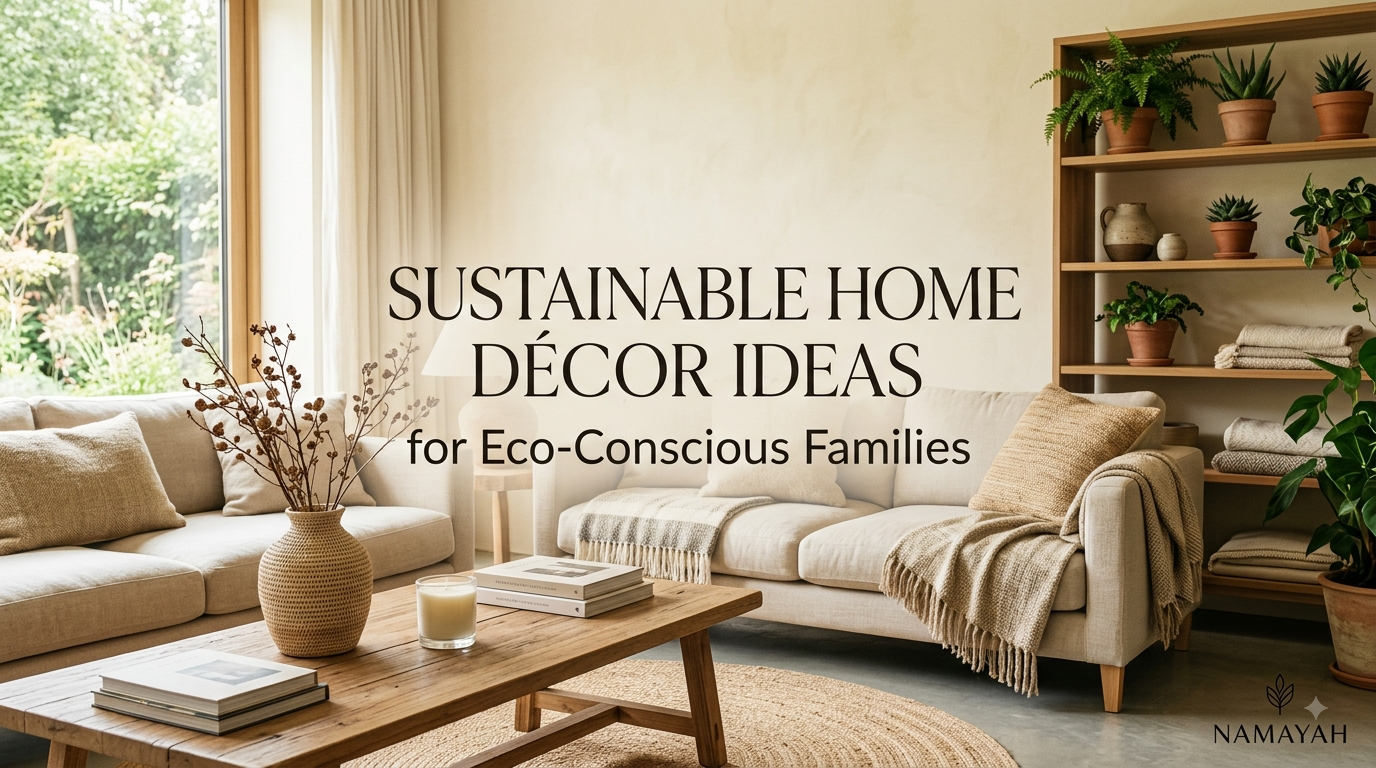
Creating a sustainable home does not mean giving up comfort, personality, or beautiful design. Eco-conscious families can create stylish interiors by buying less, choosing durable materials, reusing existing pieces, selecting responsibly sourced products, and reducing energy and décor waste. Small decisions—such as choosing secondhand furniture, certified wood, natural textiles, and efficient lighting—can make sustainability part of everyday home life.
For families, the best approach is not to replace everything at once. Instead, consider the full life of each item: where its materials came from, how long it can last, whether it can be repaired or reused, and what happens when you no longer need it.
What Makes Home Décor Sustainable?
Sustainable home décor generally focuses on durability, responsible sourcing, reuse, repairability, and reduced waste.
A product described as “eco-friendly” is not automatically sustainable. Look beyond marketing language and consider:
- What materials is it made from?
- Is the material recycled, reclaimed, renewable, or responsibly sourced?
- Is the product designed to last?
- Can it be repaired or reused?
- Does it have a credible certification where one is relevant?
- Can you buy it secondhand instead?
- Will you still want it several years from now?
This approach helps families move away from disposable decorating and toward a home filled with pieces that have practical and lasting value.
1. Choose Secondhand Furniture First
One of the simplest sustainable home décor ideas is to shop your existing home and secondhand markets before buying something new.
Look for:
- Used dining tables
- Vintage cabinets
- Secondhand bookshelves
- Pre-owned chairs
- Antique mirrors
- Reclaimed wood pieces
- Local handmade furniture
- Quality décor from resale marketplaces
Secondhand shopping can also make a home feel more personal. Instead of purchasing an entire matching furniture set, you can combine different periods, textures, and finishes.
For families with children, pre-owned furniture can be especially practical. A beautifully aged wooden table may be a better long-term choice than inexpensive furniture that needs to be replaced when family needs change.
Always check used furniture for structural damage, pests, recalls where applicable, and materials or finishes that may not suit your household.
2. Look for Responsibly Sourced Wood
Wood can be an attractive and durable choice for furniture, shelving, picture frames, toys, and decorative accessories. When buying new wood products, look for credible sourcing information.
The Forest Stewardship Council (FSC) provides certification for responsibly managed forest products and lists certified furniture and home décor among its product categories.
When shopping, consider:
- FSC-certified wood where appropriate
- Reclaimed wood
- Solid wood designed for long-term use
- Furniture that can be repaired or refinished
- Transparent information about material sourcing
Certification is useful because it gives shoppers something more concrete to evaluate than vague claims such as “green” or “natural.”
3. Decorate With Natural Materials
Natural materials can bring warmth and texture into family spaces without relying entirely on synthetic décor.
Consider materials such as:
- Wood
- Cork
- Bamboo
- Jute
- Wool
- Linen
- Organic cotton
- Stone
- Rattan
However, “natural” does not automatically mean environmentally preferable. Production, transportation, durability, processing, and sourcing all matter.
A better strategy is to choose materials that suit the item’s purpose and are likely to remain useful for a long time.
For example, a durable natural-fiber rug that can stay in a room for years may be more practical than repeatedly replacing inexpensive trend-driven rugs.
4. Use Organic and Certified Textiles
Soft furnishings can have a major visual impact. Curtains, bedding, cushions, blankets, towels, and rugs can all contribute to the character of a room.
When shopping for textiles, look for meaningful certifications rather than relying only on product descriptions.
The Global Organic Textile Standard (GOTS), for example, covers certified organic-fiber textile products and includes home textiles, mattresses, and bedding within its scope.
For a family home, consider:
- Organic-fiber bedding
- Durable washable covers
- Natural-fiber curtains
- Secondhand blankets
- Reusable fabric napkins
- Long-lasting rugs
- Removable cushion covers
Washability matters, too. A beautiful textile that cannot withstand everyday family use may have a shorter useful life than a slightly simpler, durable alternative.
5. Repurpose What You Already Own
Before buying new décor, walk through your home with a different question:
“How can I use this somewhere else?”
An old wooden ladder might become a blanket rack. A sturdy jar could become a storage container. A forgotten frame could hold children’s artwork. An unused basket could organize toys.
Repurposing has another benefit: it prevents your home’s style from becoming dependent on constant shopping.
Try a simple room refresh by:
- Removing items you no longer use.
- Moving useful pieces between rooms.
- Grouping similar objects together.
- Repairing damaged items.
- Repainting or refinishing suitable furniture.
- Donating items that your family genuinely no longer needs.
The goal is not to keep everything. Sustainable decorating also means knowing when an item has reached the end of its useful role in your home.
6. Choose Durable, Timeless Pieces
Trends can make décor feel outdated quickly. Instead of decorating around every new style, create a flexible base and update it with small details.
For example, choose a durable sofa, dining table, or storage unit and change the look with:
- Cushion covers
- Throws
- Artwork
- Small plants
- Table linens
- Secondhand accessories
This makes it easier to adapt a room as children grow or family needs change without replacing major furniture.
When evaluating a new piece, ask: Would I still want this in five years?
If the answer is uncertain, consider waiting.
7. Make Children’s Rooms More Sustainable
Children’s rooms can change rapidly, making them an ideal place to practice flexible decorating.
Instead of buying furniture for a single stage of childhood, consider pieces that can serve multiple purposes.
Useful options include:
- Adjustable desks
- Modular storage
- Open shelves
- Durable wooden furniture
- Washable rugs
- Removable wall art
- Secondhand bookshelves
- Storage baskets that can move between rooms
You can also create a rotating artwork display. Rather than buying new decorations every few months, frame or display children’s drawings and replace them as new favorites arrive.
This turns everyday family life into part of the décor.
8. Switch to Energy-Efficient Lighting
Lighting is both a design feature and an energy decision.
LED lighting products can produce light much more efficiently than traditional incandescent lighting. ENERGY STAR states that LED lighting products can be up to 90% more efficient than incandescent bulbs.
Use lighting strategically:
- Choose warm-toned bulbs for relaxing spaces.
- Use task lighting where focused light is needed.
- Add dimmers where compatible.
- Turn off unnecessary lights.
- Consider smart controls for frequently forgotten lights.
ENERGY STAR also notes that smart lighting can use sensors, scheduling, or location-based controls to reduce unnecessary operation.
A well-designed lighting plan can therefore improve ambience while supporting more efficient energy use.
9. Bring Nature Indoors Responsibly
Plants can add color, texture, and life to a room without requiring a constant stream of decorative objects.
Try:
- Low-maintenance houseplants
- Propagated plants from existing plants
- Locally sourced planters
- Reused ceramic containers
- Dried natural materials where appropriate
- Wooden or natural-fiber plant stands
For households with young children or pets, research plant safety before bringing particular species indoors.
The same principle applies to decorative natural materials: choose thoughtfully sourced pieces rather than collecting large quantities simply because they look “natural.”
10. Reduce Décor Waste
Sustainable decorating is partly about what you do not buy.
Avoid treating home décor as disposable. Before purchasing an item, consider its expected lifespan and what will happen when you no longer want it.
Practical habits include:
- Buy fewer, better-quality pieces.
- Repair before replacing.
- Donate usable décor.
- Sell furniture that no longer fits your needs.
- Recycle materials where suitable facilities exist.
- Avoid buying purely because an item is trending.
- Keep packaging to a minimum when possible.
For seasonal decorating, store reusable items carefully instead of replacing them every year.
11. Shop With a Sustainability Checklist
A simple checklist can make sustainable shopping easier for the whole family.
Before buying, ask:
1. Do we actually need it?
If the answer is no, wait.
2. Can we find it secondhand?
Check resale stores, local marketplaces, thrift shops, or community groups.
3. What is it made from?
Look for clear material information.
4. Is the sourcing credible?
For relevant products, check certifications such as FSC or GOTS rather than relying solely on marketing claims.
5. Will it last?
Durability is an important part of sustainability.
6. Can it be repaired?
Repairable products can stay useful longer.
7. What happens when we no longer need it?
Consider resale, donation, reuse, or recycling.
This turns sustainable home décor from a vague concept into a repeatable purchasing habit.
Sustainable Décor on a Family Budget
Eco-conscious decorating does not require a premium budget.
Some of the most affordable strategies are also among the most sustainable:
- Shop secondhand.
- Rearrange existing furniture.
- DIY simple décor.
- Repair damaged pieces.
- Buy quality items slowly rather than replacing cheap ones repeatedly.
- Use children’s artwork as decoration.
- Repurpose containers for storage.
- Swap décor with friends or family.
- Look for local makers and resale options.
The most sustainable purchase is often the one you do not need to make.
If you do need something new, prioritize items that solve a real household problem and are likely to remain useful.
FAQs About Sustainable Home Décor
What is sustainable home décor?
Sustainable home décor is an approach to furnishing and decorating a home that emphasizes durability, responsible materials, reuse, repair, reduced waste, and thoughtful purchasing rather than frequent replacement.
Is secondhand furniture more sustainable?
Secondhand furniture can be a practical way to extend the useful life of existing products and avoid buying new items. Its suitability still depends on condition, safety, durability, and how well it meets your needs.
What materials are good for eco-friendly home décor?
Common options include responsibly sourced wood, reclaimed materials, cork, bamboo, wool, linen, and organic-fiber textiles. However, the sustainability of a material depends on sourcing, production, durability, and end-of-life considerations.
What should I look for when buying sustainable furniture?
Look for durable construction, repairability, transparent material information, responsible sourcing, and credible certifications where applicable. FSC certification can be relevant when evaluating wood and forest-based products.
How can I make my home more sustainable without buying anything?
Start by rearranging existing furniture, repairing damaged pieces, repurposing containers, displaying family artwork, decluttering responsibly, and reusing décor in different rooms.
Is LED lighting good for sustainable home décor?
LED lighting can combine decorative flexibility with energy efficiency. ENERGY STAR reports that LED lighting products can use up to 90% less energy than incandescent lighting.
Are organic textiles better for an eco-conscious home?
Certified organic textiles can be one option for families seeking more transparent textile standards. GOTS, for example, covers qualifying organic-fiber textile products including home textiles and bedding.
How can families make children’s rooms more eco-friendly?
Choose durable, adaptable furniture, use secondhand pieces when appropriate, display reusable artwork, choose washable textiles, and avoid replacing décor simply because trends change.
Conclusion
Sustainable home décor is less about creating a perfect “green” home and more about making thoughtful choices consistently.
Start with what you already own. Reuse, repair, rearrange, and buy secondhand before buying new. When a new purchase is necessary, prioritize durability, responsible sourcing, useful certifications, and materials suited to your family’s everyday life.
For bigger changes, consider efficient lighting and other home improvements that can improve comfort and energy performance. ENERGY STAR identifies efficiency upgrades such as lighting, insulation, air sealing, and efficient equipment as ways to improve home performance.
The result can be a home that feels warm, personal, practical, and beautiful—without relying on constant consumption.