
Maintaining Copper Products the Right Way
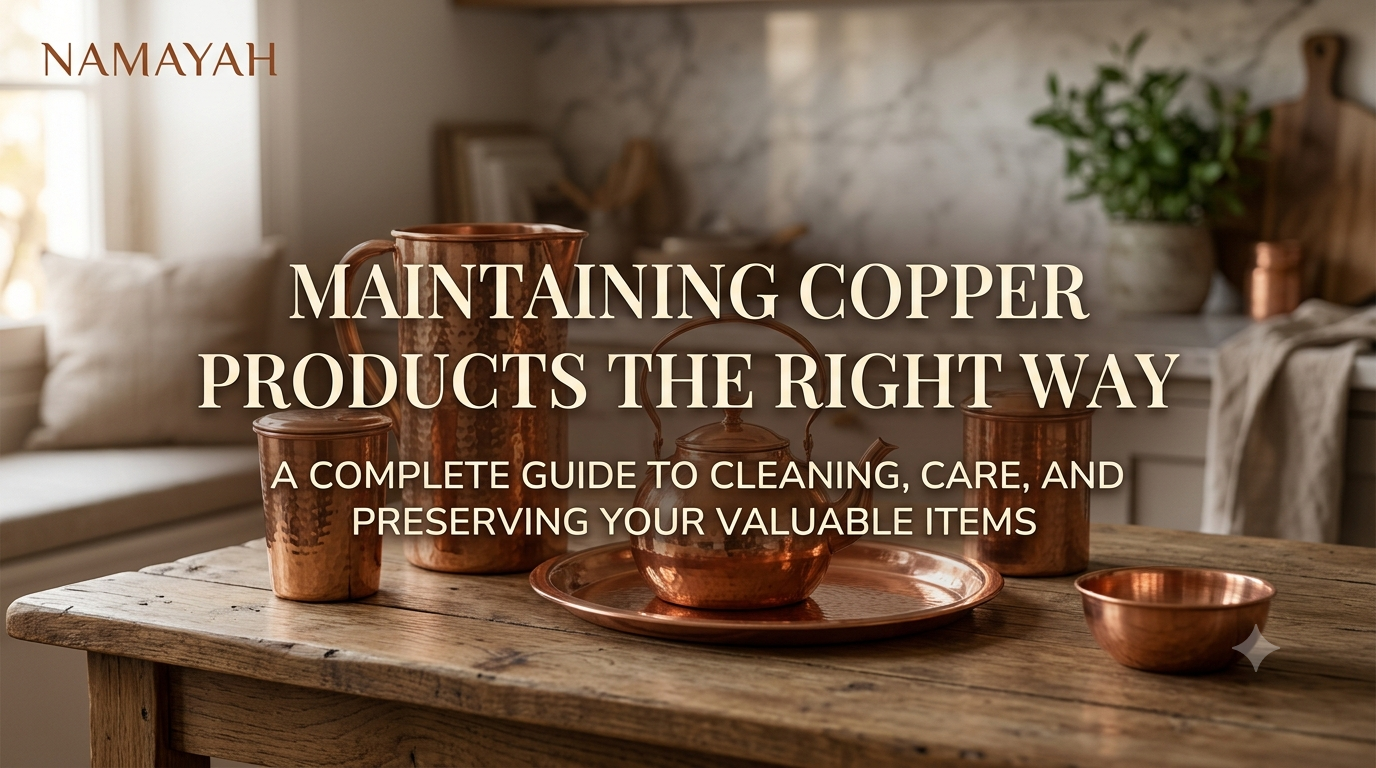
Copper has been valued for centuries because of its warm appearance, durability, and versatility. From cookware and decorative pieces to plumbing fixtures and jewelry, copper products add both function and style to homes and businesses. However, copper naturally reacts with air, moisture, and certain chemicals, causing it to develop tarnish or a green patina over time.
The good news is that maintaining copper products is simple when you follow the right care routine. With regular cleaning, proper storage, and gentle handling, you can preserve their beauty and extend their lifespan for many years.
Why Copper Needs Regular Care
Copper is a reactive metal. When exposed to oxygen and moisture, it forms a layer of oxidation. At first, this appears as a brown or dark tarnish. Over longer periods, especially outdoors, copper can develop a green protective coating known as a patina.
Whether you remove or keep the patina depends on your preference. Many people enjoy the aged appearance, while others prefer the bright, polished shine of freshly cleaned copper.
Regular maintenance helps:
- Preserve the original finish.
- Prevent heavy tarnish buildup.
- Extend the life of the product.
- Keep copper sanitary for household use.
- Reduce the need for aggressive cleaning later.
Everyday Maintenance Tips
Simple daily habits make a significant difference.
Wipe After Use
After using copper cookware, utensils, or decorative items, wipe them with a soft microfiber cloth. Removing fingerprints, water spots, and dust prevents stains from developing.
Keep Copper Dry
Moisture accelerates oxidation. Always dry copper thoroughly after washing and avoid leaving it wet for extended periods.
Avoid Harsh Chemicals
Strong bleach, ammonia, and abrasive cleaners may damage the finish. Instead, choose mild dish soap and warm water for routine cleaning.
Handle with Clean Hands
Natural skin oils can leave marks on polished copper surfaces. Wearing cotton gloves when handling decorative pieces helps preserve their finish.
How to Clean Copper Safely
Cleaning copper does not require expensive products.
Step 1: Wash Gently
Mix warm water with a few drops of mild dish soap. Clean the surface using a soft sponge or cloth.
Step 2: Rinse Thoroughly
Remove all soap residue with clean water.
Step 3: Dry Immediately
Use a lint-free towel to prevent water spots.
Step 4: Polish if Desired
If you want a bright shine, use a copper polish or a gentle natural cleaning method.
Natural Cleaning Methods
Many household ingredients can effectively remove light tarnish.
Lemon and Salt
Cut a lemon in half, sprinkle salt on the cut surface, and gently rub the copper. Rinse thoroughly and dry immediately.
Vinegar, Salt, and Flour Paste
Mix equal parts vinegar and flour with a small amount of salt to form a paste. Apply it to the copper, leave it for several minutes, then rinse and dry.
Baking Soda
For stubborn stains, create a soft paste using baking soda and water. Rub gently using a soft cloth without excessive pressure.
Always test any cleaning solution on a small, inconspicuous area before applying it to the entire surface.
When to Use Commercial Copper Cleaners
Commercial copper cleaners can restore heavily tarnished items more quickly than homemade solutions.
Look for products specifically labeled for copper. Follow the manufacturer’s instructions carefully, avoid over-polishing, and always rinse away any residue if recommended.
These cleaners are especially useful for:
- Decorative copper items.
- Outdoor copper fixtures.
- Copper sinks.
- Copper hardware.
- Heavily oxidized cookware exteriors.
Mistakes to Avoid
Proper maintenance is as much about avoiding damage as it is about cleaning.
Using Steel Wool
Steel wool scratches polished copper and leaves tiny metal particles that may rust.
Leaving Acidic Foods in Copper Cookware
Unless cookware has an appropriate lining, prolonged contact with acidic foods can affect both the cookware and the food.
Soaking for Long Periods
Extended soaking encourages oxidation and may weaken protective finishes.
Skipping Regular Cleaning
Heavy tarnish requires more aggressive cleaning than light, routine maintenance.
Caring for Different Copper Products
Copper Cookware
Wash by hand using mild soap and warm water. Dry immediately after cleaning and polish the exterior only when necessary.
Copper Jewelry
Store jewelry in a dry pouch. Clean gently with a soft polishing cloth to maintain its shine.
Copper Home Décor
Dust regularly and polish occasionally depending on your preferred finish.
Copper Fixtures
Kitchen and bathroom fixtures benefit from frequent wiping to remove water spots and mineral deposits.
Outdoor Copper Items
Outdoor products naturally develop a protective patina. If you prefer a polished appearance, clean them periodically and consider applying a protective wax designed for copper surfaces.
How to Store Copper Properly
Storage plays an important role in reducing tarnish.
Follow these best practices:
- Store in a cool, dry place.
- Avoid humid environments.
- Wrap valuable items in soft cloth.
- Use anti-tarnish storage materials when appropriate.
- Keep copper away from harsh chemicals.
Proper storage reduces cleaning frequency and helps preserve the original finish.
Benefits of Routine Copper Maintenance
Consistent care offers several advantages:
- Longer product lifespan.
- Reduced repair or replacement costs.
- Improved appearance.
- Better hygiene for frequently used items.
- Less time spent removing stubborn tarnish.
A few minutes of maintenance every week can save hours of restoration work later.
Frequently Asked Questions
How often should copper be cleaned?
Light cleaning after use and a more thorough polish every few weeks or months—depending on use and exposure—helps maintain its appearance.
Is green patina harmful?
For decorative outdoor copper, the green patina is generally a natural protective layer. Whether to remove it depends on the desired appearance and the product’s intended use.
Can vinegar damage copper?
When used correctly and rinsed promptly, vinegar is commonly used to remove tarnish. Avoid leaving acidic solutions on copper longer than necessary.
Should copper always be polished?
No. Many owners intentionally allow decorative copper to develop its natural patina for a classic, aged appearance.
Can I put copper products in the dishwasher?
Hand washing is generally the safer option because dishwasher detergents and high temperatures may affect the finish.
What cloth is best for cleaning copper?
A soft microfiber or lint-free cotton cloth is ideal because it cleans effectively without scratching the surface.
Conclusion
Maintaining copper products the right way is a combination of regular cleaning, gentle handling, proper storage, and avoiding harsh materials. Whether you own copper cookware, decorative pieces, fixtures, or jewelry, consistent care keeps them attractive and functional for years. By following these simple maintenance practices, you can preserve copper’s distinctive beauty while minimizing tarnish and unnecessary wear.