
How Copper Complements Modern Interiors
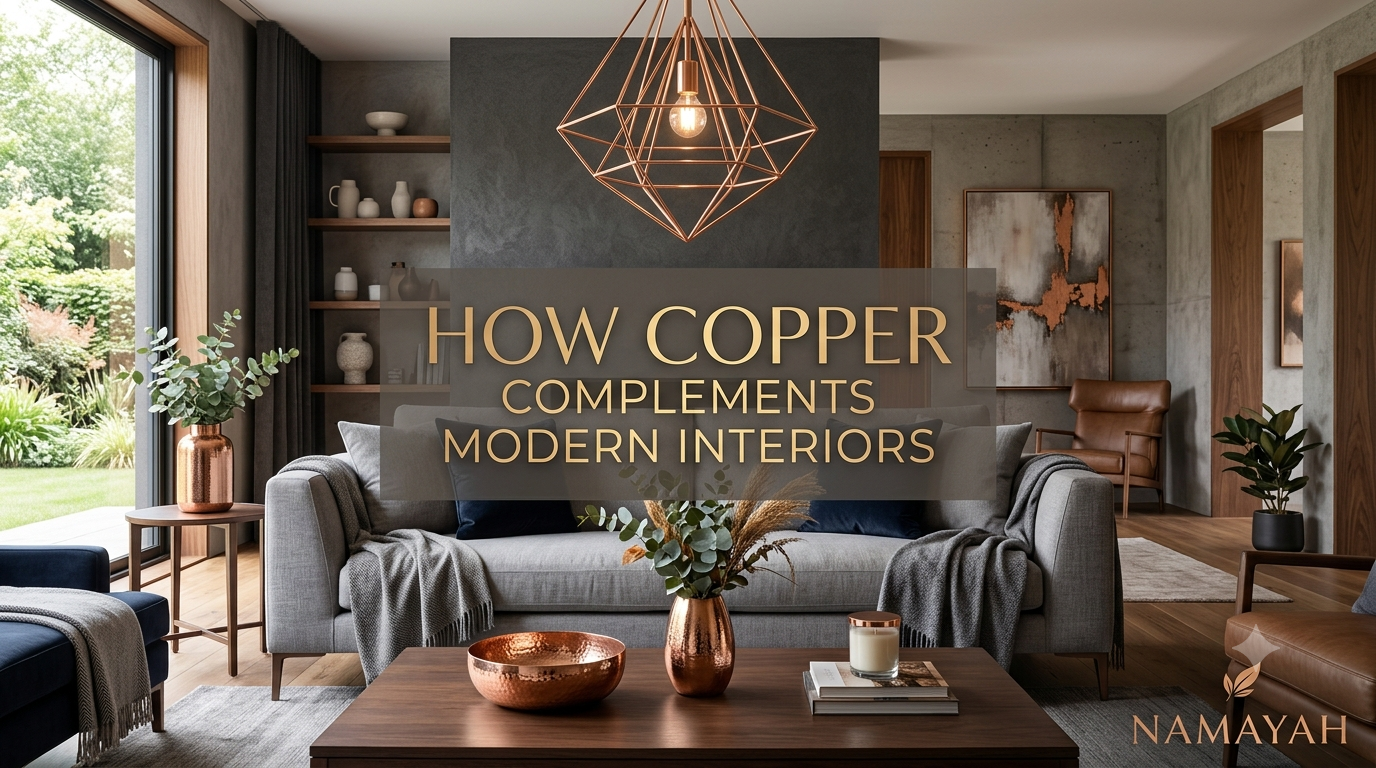
Modern interior design is often associated with clean lines, open spaces, and a carefully balanced mix of materials. While neutral colors and minimalist furniture remain popular, metallic accents continue to add personality and warmth. Among these materials, copper stands out for its ability to combine timeless elegance with contemporary style.
Whether used in lighting, furniture, decorative accessories, or architectural details, copper introduces warmth, texture, and visual depth that complement modern interiors without overwhelming them. This guide explores why copper remains a favorite among designers and how homeowners can incorporate it successfully.
Why Copper Is Popular in Contemporary Design
Copper offers a distinctive appearance that naturally draws attention. Its warm reddish-orange tone creates contrast against modern materials such as concrete, glass, marble, and matte black finishes.
Unlike trend-driven decorative elements, copper has maintained its appeal for generations because it develops character over time. Depending on the finish and environment, it can retain its polished shine or develop a natural patina that adds depth and individuality.
Key reasons for its popularity include:
- Warm metallic appearance
- Timeless aesthetic
- Versatility across design styles
- Compatibility with natural materials
- Ability to serve as both a statement piece and subtle accent
Benefits of Copper in Interior Spaces
Adds Warmth
Modern interiors sometimes feel cool due to extensive use of white walls, glass, steel, and concrete. Copper introduces warmth that softens these elements and creates a more welcoming atmosphere.
Creates Visual Contrast
The rich tones of copper contrast beautifully with monochromatic interiors. A copper pendant light or decorative vase can become an eye-catching focal point without disrupting a minimalist design.
Versatile Design Material
Copper works well with numerous interior styles, including:
- Modern
- Scandinavian
- Industrial
- Contemporary
- Transitional
- Rustic-modern
Its adaptability makes it an excellent investment for evolving interior designs.
Natural Character
Unlike many synthetic finishes, copper changes gradually over time. Many homeowners appreciate this evolving appearance because it gives spaces personality and uniqueness.
Best Ways to Use Copper in Modern Homes
Copper Lighting Fixtures
Pendant lights are one of the easiest ways to introduce copper into a room. A single oversized fixture above a dining table or a cluster of smaller pendants above a kitchen island creates visual interest without requiring major renovations.
Popular options include:
- Pendant lights
- Floor lamps
- Wall sconces
- Table lamps
Kitchen Features
Copper brings warmth into kitchens while complementing modern cabinetry and stone countertops.
Consider incorporating copper through:
- Range hoods
- Sink basins
- Cabinet hardware
- Open shelving brackets
- Decorative cookware displayed on shelves
Using copper selectively helps maintain a clean, contemporary look.
Bathroom Accents
Bathrooms benefit from copper’s sophisticated appearance. Small details often make the greatest impact.
Ideas include:
- Faucets
- Mirrors with copper frames
- Soap dispensers
- Towel rings
- Vanity lighting
Combined with natural stone or white tiles, copper creates a luxurious yet balanced atmosphere.
Decorative Accessories
Homeowners who prefer subtle metallic accents can introduce copper through decorative items such as:
- Vases
- Candle holders
- Picture frames
- Planters
- Sculptures
- Decorative trays
These accessories can easily be updated as design preferences evolve.
Matching Copper with Different Color Palettes
One of copper’s greatest strengths is its compatibility with a wide range of colors.
| Color | Effect |
|---|---|
| White | Clean, bright contrast |
| Black | Bold, luxurious appearance |
| Gray | Soft industrial aesthetic |
| Navy Blue | Rich, sophisticated look |
| Forest Green | Natural, elegant pairing |
| Beige | Warm and inviting atmosphere |
| Charcoal | Contemporary and refined |
Natural materials such as wood, marble, linen, and leather also pair exceptionally well with copper.
Caring for Copper Surfaces
Proper maintenance helps preserve copper’s beauty.
Helpful maintenance tips include:
- Dust regularly using a soft cloth.
- Clean gently with mild soap and water.
- Dry thoroughly after cleaning.
- Avoid abrasive cleaners that may scratch the finish.
- Follow manufacturer recommendations for sealed or lacquered surfaces.
Some homeowners enjoy the natural patina that develops over time, while others prefer maintaining the original polished finish.
Common Mistakes to Avoid
Although copper is highly versatile, moderation is important.
Avoid these common design mistakes:
- Using copper on every surface.
- Mixing too many metallic finishes without a clear design plan.
- Ignoring the room’s existing color palette.
- Choosing oversized accessories for small spaces.
- Neglecting routine cleaning when a polished appearance is desired.
Strategic placement creates a more balanced and sophisticated interior.
Frequently Asked Questions
Is copper suitable for minimalist interiors?
Yes. A few carefully selected copper accents can enhance minimalist spaces by adding warmth and visual interest while maintaining simplicity.
Does copper work with modern furniture?
Absolutely. Copper complements contemporary furniture, particularly pieces with clean lines and neutral upholstery.
Can copper be mixed with other metals?
Yes. Copper pairs well with black steel, brushed nickel, brass, and matte finishes when used intentionally and in balanced proportions.
Is copper only suitable for luxury homes?
No. Copper accessories are available in a wide range of styles and price points, making them suitable for various budgets.
Does copper require a lot of maintenance?
Routine dusting and gentle cleaning are usually sufficient. Maintenance needs vary depending on the finish and whether you prefer a polished surface or a natural patina.
Which room benefits most from copper?
Kitchens, dining rooms, living rooms, and bathrooms all benefit from copper accents. The best choice depends on your overall design goals.
Conclusion
Copper continues to be one of the most versatile materials in modern interior design. Its distinctive warmth, timeless appeal, and compatibility with a wide range of colors and materials make it an excellent choice for both subtle accents and statement pieces.
Whether incorporated through lighting, kitchen fixtures, bathroom hardware, or decorative accessories, copper adds character without compromising the clean aesthetic associated with contemporary interiors. By using it thoughtfully and maintaining visual balance, homeowners can create spaces that feel both elegant and inviting.