
How to Polish Brass Naturally at Home
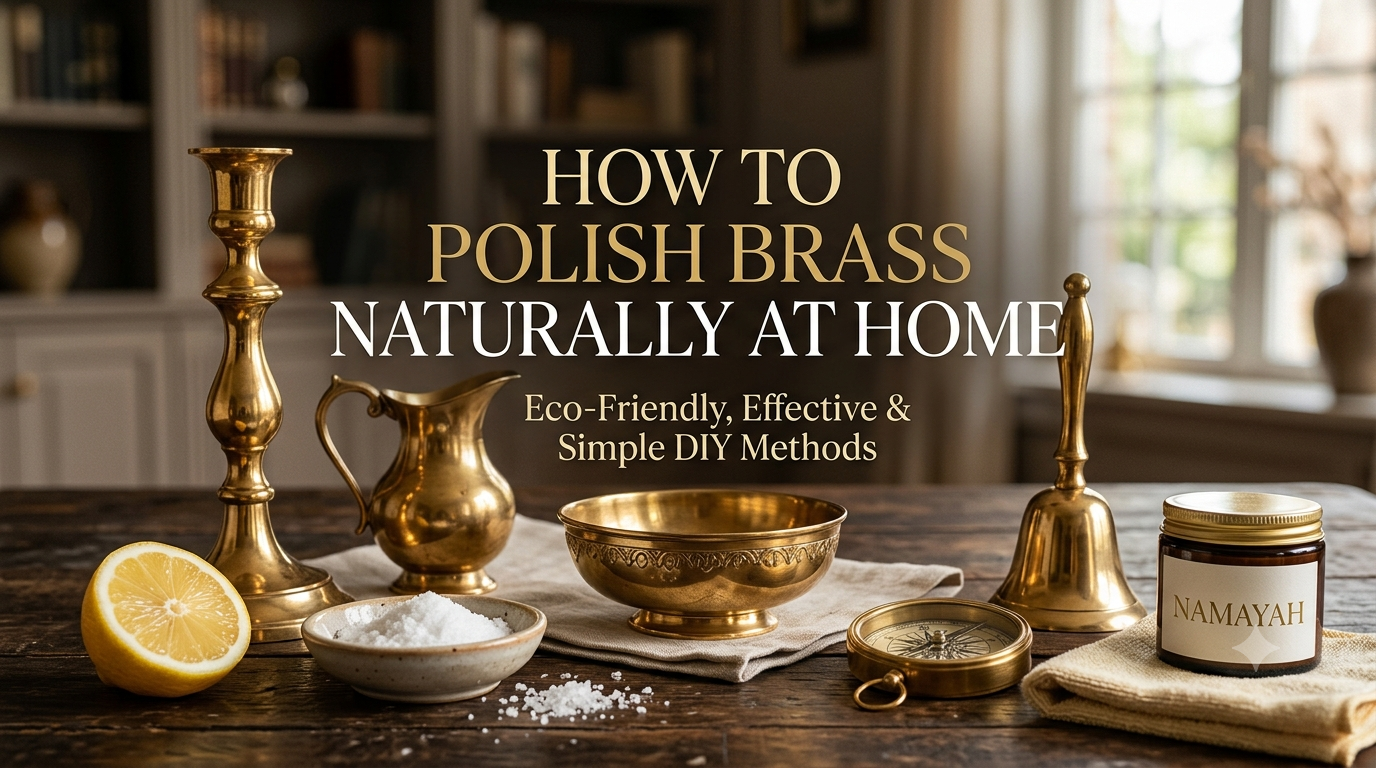
Brass adds warmth and elegance to everything from door handles and candle holders to lamps, hardware, and decorative pieces. Over time, however, brass naturally develops tarnish as it reacts with air and moisture. The good news is that you don’t need expensive commercial cleaners to restore its shine.
With a few common kitchen ingredients, you can safely polish brass at home while avoiding harsh chemicals. This guide explains several effective methods, how to identify real brass, and simple maintenance tips to keep your brass looking its best.
Why Brass Loses Its Shine
Brass is an alloy made primarily of copper and zinc. Exposure to oxygen, humidity, fingerprints, and household pollutants causes oxidation, resulting in a dull or dark surface commonly known as tarnish.
Tarnish affects appearance but usually doesn’t damage the metal itself. Regular cleaning removes oxidation and restores the original finish.
How to Tell if an Item Is Solid Brass
Before cleaning, determine whether your item is solid brass or brass-plated.
A simple magnet test can help:
- If a magnet does not stick, the item may be solid brass.
- If the magnet sticks strongly, it is likely brass-plated steel or another metal.
You can also look for worn areas where another metal shows underneath, which often indicates brass plating.
Brass-plated items require gentler cleaning because aggressive polishing may wear away the thin brass layer.
Natural Ingredients You’ll Need
Most natural brass-cleaning methods use ingredients already found in your kitchen.
Common supplies include:
- Fresh lemons
- Baking soda
- White vinegar
- Table salt
- Plain flour
- Soft microfiber cloths
- Warm water
- Soft toothbrush (optional)
Avoid steel wool or abrasive scrubbers, as they can scratch the surface.
Method 1: Polish Brass with Lemon and Baking Soda
This is one of the simplest and most effective natural cleaning methods.
Steps
- Cut a fresh lemon in half.
- Sprinkle baking soda onto the cut side.
- Rub the lemon directly onto the brass using gentle circular motions.
- Let the mixture sit for 5–10 minutes.
- Wipe away residue with a damp cloth.
- Rinse with warm water.
- Dry immediately using a clean microfiber cloth.
The mild acid in lemon helps dissolve oxidation, while baking soda provides gentle cleaning action.
Method 2: Vinegar, Salt, and Flour Paste
For heavily tarnished brass, a homemade paste can work well.
Ingredients
- ½ cup white vinegar
- 1 teaspoon salt
- Enough flour to create a thick paste
Instructions
- Mix the ingredients until smooth.
- Apply the paste evenly over the brass.
- Leave it for about 20–30 minutes.
- Rinse thoroughly with warm water.
- Dry and buff with a soft cloth.
This method helps loosen stubborn tarnish without harsh chemicals.
Method 3: Can Ketchup Clean Brass?
Yes, ketchup can remove light tarnish because it contains mild acids.
How to Use It
- Apply a thin layer of ketchup.
- Let it sit for a few minutes.
- Rub gently with a soft cloth.
- Rinse completely.
- Dry thoroughly.
Although effective for light cleaning, ketchup may not work as well on heavily tarnished pieces.
Rinse and Dry Properly
Regardless of the cleaning method you choose:
- Rinse away all cleaning residue.
- Dry immediately with a soft microfiber cloth.
- Buff gently to restore shine.
Leaving moisture on brass can encourage new tarnish.
Mistakes to Avoid
Avoid these common errors when cleaning brass:
- Using abrasive steel wool
- Scrubbing too aggressively
- Leaving acidic mixtures on brass for extended periods
- Cleaning lacquered brass without checking the finish first
- Allowing water to air dry on the surface
If the brass has a protective lacquer coating, simply wipe it with mild soap and water instead of using polishing acids.
How to Keep Brass Shiny Longer
Regular maintenance reduces the need for deep cleaning.
Helpful habits include:
- Dust brass weekly.
- Wipe fingerprints away after handling.
- Store decorative brass in a dry location.
- Dry brass immediately after washing.
- Polish only when tarnish begins to appear.
Consistent care helps preserve both the finish and appearance.
Frequently Asked Questions
What is the best natural brass cleaner?
A mixture of lemon and baking soda is one of the most popular natural options for removing light tarnish. For heavier tarnish, a vinegar, salt, and flour paste may be more effective.
Can vinegar damage brass?
When used briefly and rinsed thoroughly, white vinegar is commonly used to remove tarnish. Avoid prolonged exposure, especially on brass-plated or lacquered items.
How often should brass be polished?
This depends on the environment and how often the item is handled. Many household brass items only need polishing when visible tarnish develops.
Can I use baking soda alone?
Baking soda provides gentle cleaning but works best when combined with an acidic ingredient such as lemon juice.
Is toothpaste safe for brass?
Some toothpastes contain abrasive particles that may scratch certain finishes. A soft cloth with proven natural cleaning ingredients is generally a gentler option.
Should I polish antique brass?
Many antiques have a natural patina that may contribute to their appearance or value. If you’re unsure, consider preserving the existing finish rather than polishing it.
Conclusion
Learning how to polish brass naturally at home is an easy way to keep decorative and functional brass items looking their best without relying on harsh chemicals. Simple ingredients such as lemon, baking soda, vinegar, and salt can remove tarnish effectively when used correctly.
Before cleaning, identify whether your item is solid brass or brass-plated, use gentle methods, and dry the surface thoroughly after rinsing. With regular care, your brass pieces can maintain their warm, polished appearance for years.