
Timeless Decorative Pieces for Every Interior Style
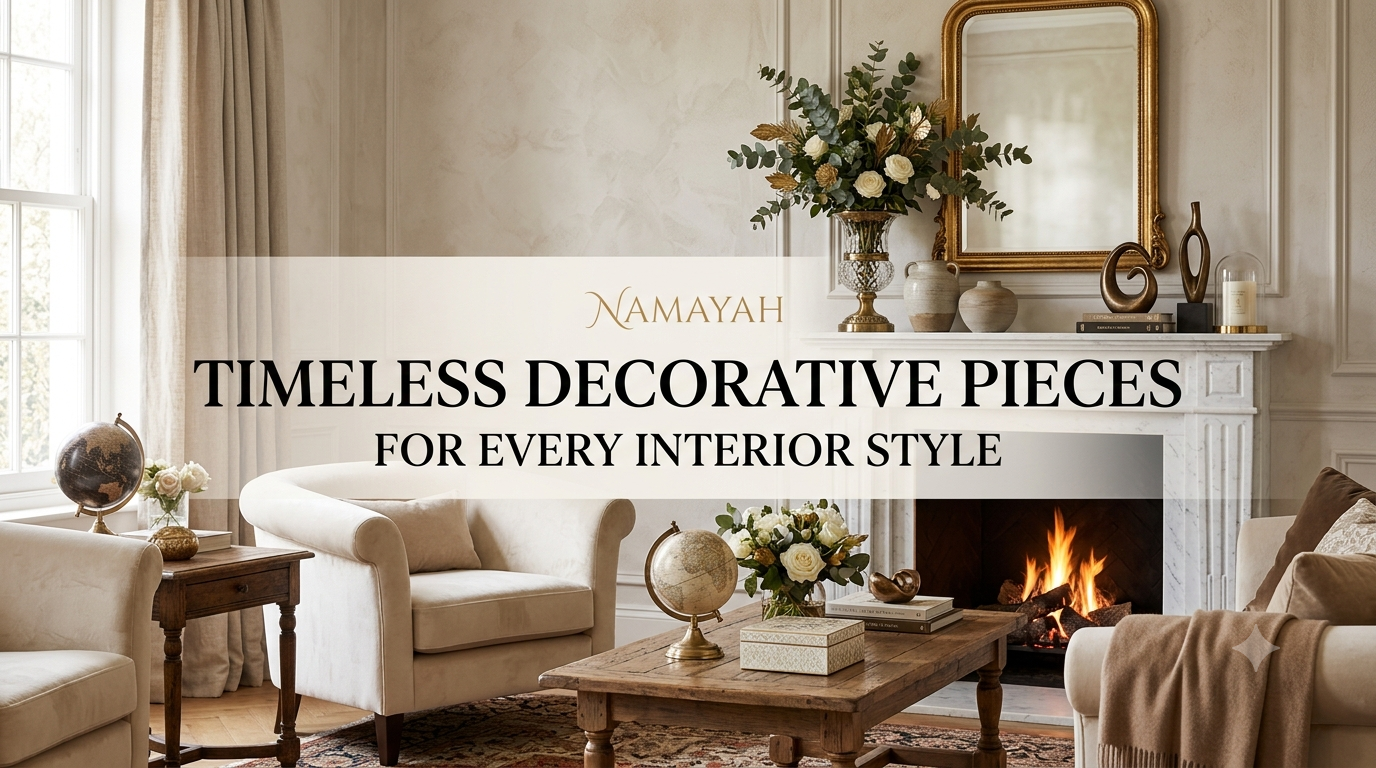
Interior trends change quickly, but a thoughtfully decorated home does not have to change with every new trend. Timeless decorative pieces can move between rooms, complement different furniture styles, and continue to feel relevant as your taste evolves.
The secret is not filling a room with objects labeled “classic.” Instead, timeless decorating tends to rely on quality materials, balanced proportions, useful objects, natural textures, meaningful art, and pieces with enough simplicity to coexist with different styles.
This approach also gives you freedom. A ceramic vase can sit on a minimalist console today and an antique wooden sideboard years later. A simple mirror can complement Scandinavian furniture, traditional architecture, or a contemporary bedroom.
Recent interior-design advice also supports mixing periods rather than treating a room as a strict representation of one era. The result can feel more personal and less tied to a temporary trend.
What Makes a Decorative Piece Timeless?
A timeless decorative piece generally has qualities that extend beyond a particular decorating trend.
Natural materials are a good example. Wood, stone, metal, linen, and similar materials have appeared in homes across generations. Interior designers frequently recommend these materials for enduring interiors because their natural variation and aging can add character.
Timeless pieces also tend to be adaptable. They do not depend on one highly specific color palette or furniture collection to make sense.
Look for décor with:
- Quality materials and construction
- Balanced, recognizable forms
- Natural or versatile finishes
- Functional as well as decorative value
- Personal or artistic meaning
- Appropriate proportions for the room
- Enough visual simplicity to combine with other pieces
That does not mean your home needs to be neutral or minimalist. A colorful painting, antique object, patterned textile, or dramatic sculpture can have lasting appeal when you genuinely enjoy it and it works with the rest of your space.
10 Timeless Decorative Pieces for Your Home
1. Decorative Mirrors
Few accessories are as versatile as a well-chosen mirror.
Mirrors provide decoration while serving a clear function. They can also reflect light and introduce another visual layer without requiring additional color or pattern.
A simple round mirror can complement contemporary and Scandinavian rooms, while an aged-brass or carved wooden frame may work beautifully in traditional, transitional, vintage, or eclectic spaces.
When choosing one, pay particular attention to scale and frame material. A mirror should feel proportional to the wall, console, fireplace, or furniture beneath it.
For maximum flexibility, consider straightforward shapes and materials that already appear elsewhere in your room.
2. Ceramic Vases
Ceramics have an enduring place in home decoration because they combine craft, texture, color, and function.
A large ceramic vessel can become a focal point, while smaller vases can add interest to shelves, dining tables, bedside tables, and consoles.
For a versatile look, consider:
- White or cream ceramics
- Earth-toned stoneware
- Handmade or subtly irregular finishes
- Simple sculptural silhouettes
- Blue-and-white ceramics for more traditional schemes
You do not always need flowers. An attractive vessel can stand alone as an object or hold branches and seasonal foliage.
3. Framed Art
Artwork is one of the easiest ways to prevent an interior from looking generic.
Rather than selecting art solely because it matches the sofa or rug, choose pieces that you actually want to keep. Landscapes, photography, abstract work, prints, drawings, and original art can all work in lasting interiors.
Frames provide another opportunity to connect the art to your room. Wood can add warmth, slim metal frames can create a cleaner contemporary appearance, and ornate frames can provide contrast in otherwise modern spaces.
Current design thinking increasingly emphasizes rooms that reflect their occupants rather than perfectly coordinated collections. Meaningful artwork is particularly useful for creating that sense of individuality.
4. Natural Wood Objects
Wood introduces warmth and natural variation into interiors.
A wooden bowl, carved box, stool, tray, picture frame, or handcrafted object can soften rooms dominated by hard surfaces and manufactured finishes.
Natural materials including wood and stone are frequently associated with enduring interiors because they can develop character rather than simply looking worn as they age.
You also do not need every wood finish to match.
Repeating a wood tone once or twice can help the room feel connected, but slight variation often creates a more collected appearance.
5. Decorative Bowls and Trays
Some of the best timeless decorative pieces are useful.
A stone bowl on a coffee table can hold small objects. A wooden tray can organize a console. A marble or metal tray can collect perfume bottles, candles, keys, or other everyday items.
This combination of beauty and utility makes bowls and trays easy to move around the home as your needs change.
Choose materials that relate to your existing interior, such as:
| Material | Character | Works Especially Well With |
|---|---|---|
| Wood | Warm and organic | Rustic, Scandinavian, traditional |
| Marble/stone | Refined and natural | Contemporary, classic, luxury |
| Metal | Structured and elegant | Modern, industrial, transitional |
| Ceramic | Soft and artisanal | Mediterranean, eclectic, minimalist |
| Woven fiber | Relaxed and textured | Coastal, bohemian, organic interiors |
6. Candlesticks and Candleholders
Candlesticks prove that small objects can make a noticeable difference.
Simple brass holders can introduce warmth to traditional and modern rooms alike. Glass offers a lighter appearance, while ceramic and stone candleholders complement natural and minimalist schemes.
Try varying heights rather than buying a perfectly identical collection.
The arrangement can then look assembled over time rather than purchased as one matching set. That principle is useful throughout a home: designers often caution that overly coordinated interiors can sacrifice individuality.
7. Books
Books naturally combine personality and decoration.
Coffee-table books can introduce color and scale, while older hardbacks bring texture and history to shelves. A small stack can also create height beneath another decorative object.
Use books that relate to subjects you genuinely enjoy—art, architecture, photography, travel, fashion, gardening, history, or another interest.
That distinction matters. A timeless home should feel inhabited, not staged.
8. Sculptural Objects
Sculpture provides shape without requiring a major furniture change.
A simple abstract form, carved figure, stone object, or handcrafted piece can create a focal point on a shelf or console.
The key is restraint.
If every surface contains a statement object, none of them receives enough visual space to stand out. Designers discussing mixed-style interiors similarly recommend giving important pieces room rather than allowing everything in a space to compete for attention.
One carefully positioned object can therefore be more effective than five smaller accessories.
9. Natural Textiles
Textiles allow you to change the character of a room without replacing major furniture.
Linen, wool, cotton, and other natural-feeling materials can add softness and texture through:
- Cushions
- Throws
- Curtains
- Rugs
- Table linens
- Upholstery
For maximum longevity, use your more expensive textiles in versatile colors or enduring patterns, then introduce trend-driven colors through smaller pieces that are easier to change.
Texture is particularly useful in neutral interiors because it creates depth without demanding a complicated color palette.
10. Plants and Classic Planters
Greenery works across an unusually wide range of interior styles.
A leafy plant can soften a contemporary room, introduce life to an industrial space, complement the natural simplicity of Scandinavian design, or add another layer to an eclectic interior.
The planter matters too.
Terracotta creates warmth, stone has visual weight, ceramic offers endless flexibility, and simple neutral planters can disappear into minimalist schemes.
Choose plants according to the actual light, temperature, space, and care conditions in your home rather than appearance alone.
Choosing Timeless Decorative Pieces for Different Interior Styles
A timeless object does not have to look identical in every home. The material, finish, scale, and surrounding pieces determine how it reads.
For example, the same basic vase might be smooth white ceramic in a minimalist room, handmade terracotta in a Mediterranean interior, or patterned porcelain in a traditional space.
| Interior Style | Timeless Pieces to Consider |
|---|---|
| Modern | Abstract art, sculptural objects, stone trays, simple mirrors |
| Minimalist | Ceramic vessels, restrained artwork, natural textiles |
| Traditional | Framed paintings, brass candlesticks, ceramics, decorative boxes |
| Scandinavian | Pale wood, ceramics, wool textiles, simple glassware |
| Industrial | Metal objects, aged wood, large mirrors, graphic art |
| Rustic | Handcrafted pottery, baskets, wood objects, natural textiles |
| Coastal | Linen, woven pieces, ceramics, understated natural objects |
| Bohemian | Handmade ceramics, collected art, textiles, vintage objects |
| Transitional | Classic mirrors, stone accessories, restrained sculpture |
| Eclectic | Art, antiques, books, handcrafted objects, mixed-period accessories |
The important point is connection rather than perfect matching.
When combining styles, look for a repeated element—perhaps material, shape, color, texture, or proportion—that creates a visual relationship between otherwise different objects. Guidance on mixing different periods similarly emphasizes creating common threads and avoiding excess.
How to Avoid Making Timeless Décor Look Dated
There is a difference between timeless and frozen in time.
Even classic pieces can make a room appear dated when every item belongs to the same era, every finish matches, or accessories are arranged without considering the room as a whole.
Mix old and new instead.
An antique chest can sit beneath contemporary artwork. A modern sofa can share a room with a vintage rug. Traditional ceramics can be displayed on clean-lined shelving.
Designers recommend this kind of contrast when incorporating antiques because contemporary elements can prevent historical pieces from making a home feel overly formal or museum-like.
Also edit periodically.
You do not have to display everything you own simultaneously. Rotating decorative pieces can give familiar objects renewed impact while keeping shelves and tables from becoming visually crowded.
How to Build a Timeless Collection Slowly
You do not need to decorate an entire home at once.
In fact, a slower approach can make it easier to create an interior that feels personal rather than assembled from a single showroom collection.
Start with a few versatile foundations: a mirror, meaningful artwork, one or two ceramic pieces, a tray, and natural textiles. Add objects as you discover things you genuinely want to live with.
When considering a new piece, ask three questions:
- Would I still like this if it stopped being fashionable?
- Could I use it in another room or with another decorating style?
- Does its material, craftsmanship, function, or meaning justify keeping it?
If the answer is yes, you are more likely to be buying for your home rather than simply buying into a trend.
Frequently Asked Questions
What decorative items never go out of style?
Mirrors, ceramics, artwork, wooden objects, books, quality textiles, simple candleholders, decorative bowls, and natural-material accessories generally have strong staying power. Their longevity still depends on quality, form, personal taste, and how they are styled.
What colors are best for timeless home décor?
Neutral and nature-inspired shades are versatile because they can support changing accent colors. However, timeless does not mean colorless. Deep blues, greens, earthy reds, and other established colors can work beautifully when used intentionally.
Can timeless décor work in a modern home?
Yes. Modern interiors can use classic materials and objects without losing their contemporary character. Try simple ceramics, abstract art, wood, stone, glass, and restrained metal accents.
How do I mix modern and traditional decorative pieces?
Create a common thread through color, material, scale, or shape. For example, pair an antique wooden console with contemporary art or place a traditional ceramic vessel beside a modern lamp. Mixing periods can make interiors feel more personal when the pieces remain visually connected.
Is neutral décor always timeless?
No. Neutral colors are flexible, but a completely neutral room is not automatically timeless. Materials, proportions, craftsmanship, lighting, texture, and personal objects are equally important.
Should all decorative pieces in a room match?
No. Exact matching can make an interior feel overly coordinated. Pieces should relate to one another without necessarily being identical. Repeating selected colors, materials, or shapes can provide cohesion while preserving individuality.
Are vintage pieces considered timeless décor?
They can be. Well-made vintage pieces can add history, patina, craftsmanship, and contrast. Combining them with newer furnishings is often more adaptable than recreating one historical period throughout the room.
How many decorative pieces should I put in a room?
There is no universal number. Scale and visual balance matter more than quantity. Leave enough open space for important objects to register individually, particularly when using bold artwork, sculpture, or patterned accessories.
Create a Home That Evolves With You
The best timeless decorative pieces for every interior style have something deeper in common than a particular color or design era: they are adaptable, well considered, and worth keeping.
Mirrors, ceramics, meaningful artwork, natural wood, stone accessories, books, textiles, greenery, and handcrafted objects can provide a foundation that works through changing tastes.
Instead of trying to make your home immune to trends, create a space that can evolve without needing to be completely replaced. Invest selectively, combine different periods, choose materials you enjoy living with, and leave room for meaningful objects collected over time.
That is what gives an interior longevity—and personality.