
Eco-Friendly Home Décor Ideas for Modern Families
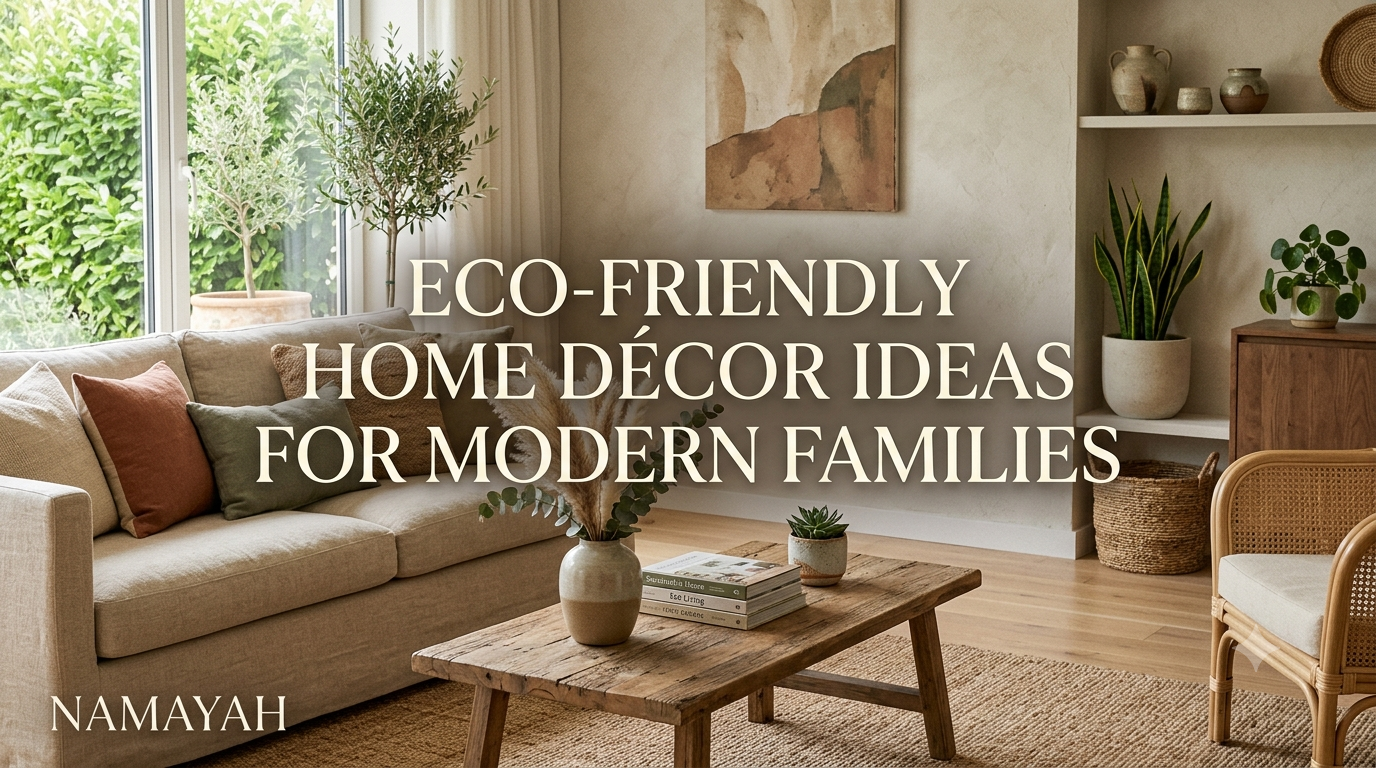
Creating a beautiful home no longer means sacrificing sustainability. Modern families are increasingly choosing eco-friendly home décor because it combines style, comfort, and environmental responsibility. By selecting durable materials, reducing waste, and investing in timeless designs, you can create a welcoming space that benefits both your family and the planet.
Whether you’re decorating a new home or refreshing your current space, sustainable choices can make a meaningful difference.
Why Sustainable Home Décor Matters
Eco-friendly décor focuses on reducing environmental impact throughout a product’s life cycle. Many traditional home furnishings require significant natural resources and may contain chemicals that affect indoor air quality. Sustainable alternatives often prioritize renewable materials, recycled content, durability, and responsible manufacturing.
Benefits include:
- Reduced household waste
- Better indoor air quality
- Longer-lasting furniture and accessories
- Lower environmental footprint
- Timeless designs that stay in style
Choose Sustainable Materials
The materials you select play a major role in creating an eco-friendly home.
Consider options such as:
- Bamboo furniture and accessories
- Reclaimed wood shelves and tables
- Cork flooring
- Organic cotton textiles
- Linen curtains
- Hemp fabrics
- Recycled glass décor
- Recycled metal accents
These materials are often durable, attractive, and suitable for modern interiors.
Decorate with Natural Elements
Nature-inspired décor creates a calming atmosphere while reducing reliance on synthetic decorations.
Ideas include:
- Wooden bowls
- Stone vases
- Dried flowers
- Woven baskets
- Natural fiber rugs
- Seashell collections
- Branch arrangements
- Handmade pottery
These pieces add texture and warmth without overwhelming your space.
Buy Secondhand and Vintage Furniture
One of the most sustainable decorating choices is buying furniture that already exists.
Advantages include:
- Prevents usable furniture from entering landfills
- Often provides higher-quality craftsmanship
- Creates unique interiors
- Can save money
Look for solid wood pieces that can be refinished instead of replacing them.
Improve Energy Efficiency Through Design
Décor choices can also influence energy use.
Simple improvements include:
- Light-colored curtains that maximize daylight
- Thermal curtains for insulation
- LED lighting
- Mirrors that reflect natural light
- Ceiling fans to improve air circulation
These updates can improve comfort while reducing energy consumption.
Add Indoor Plants
Houseplants provide natural beauty and create a relaxing environment.
Popular options include:
- Snake Plant
- Spider Plant
- ZZ Plant
- Pothos
- Peace Lily
- Rubber Plant
Choose plants based on your home’s lighting conditions and keep pet safety in mind when selecting varieties.
Select Low-VOC Paints and Finishes
Many paints and finishes release volatile organic compounds (VOCs), which can affect indoor air quality.
When updating your home:
- Choose low-VOC or zero-VOC paints
- Select water-based finishes where appropriate
- Allow proper ventilation during renovations
These products can help create a healthier indoor environment.
Invest in Multi-Purpose Furniture
Modern families often benefit from furniture that serves multiple purposes.
Examples include:
- Storage ottomans
- Extendable dining tables
- Sofa beds
- Beds with built-in storage
- Modular shelving
- Nesting tables
Buying fewer, higher-quality pieces can reduce waste over time.
Try DIY Sustainable Décor Projects
Creative DIY projects help personalize your home while reusing materials.
Ideas include:
- Glass jar lanterns
- Pallet wood shelves
- Fabric scrap cushions
- Recycled bottle vases
- Old ladder bookshelves
- Handmade macramé wall hangings
These projects can become enjoyable family activities while minimizing waste.
Create a Timeless Color Palette
Instead of following short-lived trends, choose neutral colors that remain attractive for years.
Popular options include:
- White
- Beige
- Soft gray
- Earth tones
- Olive green
- Warm wood finishes
Accent colors can be introduced through cushions, artwork, and seasonal decorations that are easier to update.
Support Responsible Brands
When shopping for décor, consider companies that are transparent about their materials and manufacturing practices. Look for information on product durability, recycled content, responsibly sourced materials, and packaging reduction. Comparing products carefully helps you make informed purchasing decisions.
Sustainable Habits for the Whole Family
Eco-friendly decorating extends beyond furniture.
Simple habits include:
- Repairing damaged items before replacing them
- Donating unwanted décor
- Recycling packaging materials
- Choosing reusable storage solutions
- Shopping thoughtfully instead of impulsively
Small changes, repeated consistently, can have a lasting impact.
Frequently Asked Questions
1. What is eco-friendly home décor?
Eco-friendly home décor uses materials, products, and design choices that aim to reduce environmental impact while creating a comfortable living space.
2. Is sustainable furniture expensive?
Not always. Secondhand furniture, DIY projects, and investing in durable pieces can make sustainable decorating affordable over time.
3. Which materials are best for sustainable interiors?
Common options include reclaimed wood, bamboo, cork, recycled glass, recycled metal, organic cotton, linen, and hemp.
4. Can eco-friendly décor improve indoor air quality?
Yes. Choosing low-VOC paints, natural materials, and appropriate indoor plants can contribute to a healthier indoor environment.
5. Are vintage furnishings environmentally friendly?
In many cases, yes. Reusing existing furniture helps extend product life and reduces demand for new manufacturing.
6. How can families start decorating sustainably?
Begin with small changes such as replacing disposable decorations with reusable ones, buying secondhand furniture, selecting durable products, and incorporating natural materials.
Conclusion
Eco-friendly home décor is about making thoughtful choices that balance style, functionality, and sustainability. From selecting responsibly sourced materials to repurposing furniture and improving energy efficiency, every decision can contribute to a healthier home and a reduced environmental footprint. By focusing on quality, durability, and timeless design, modern families can create beautiful living spaces that remain comfortable and practical for years to come.