
How to Choose Premium Wooden Serving Trays
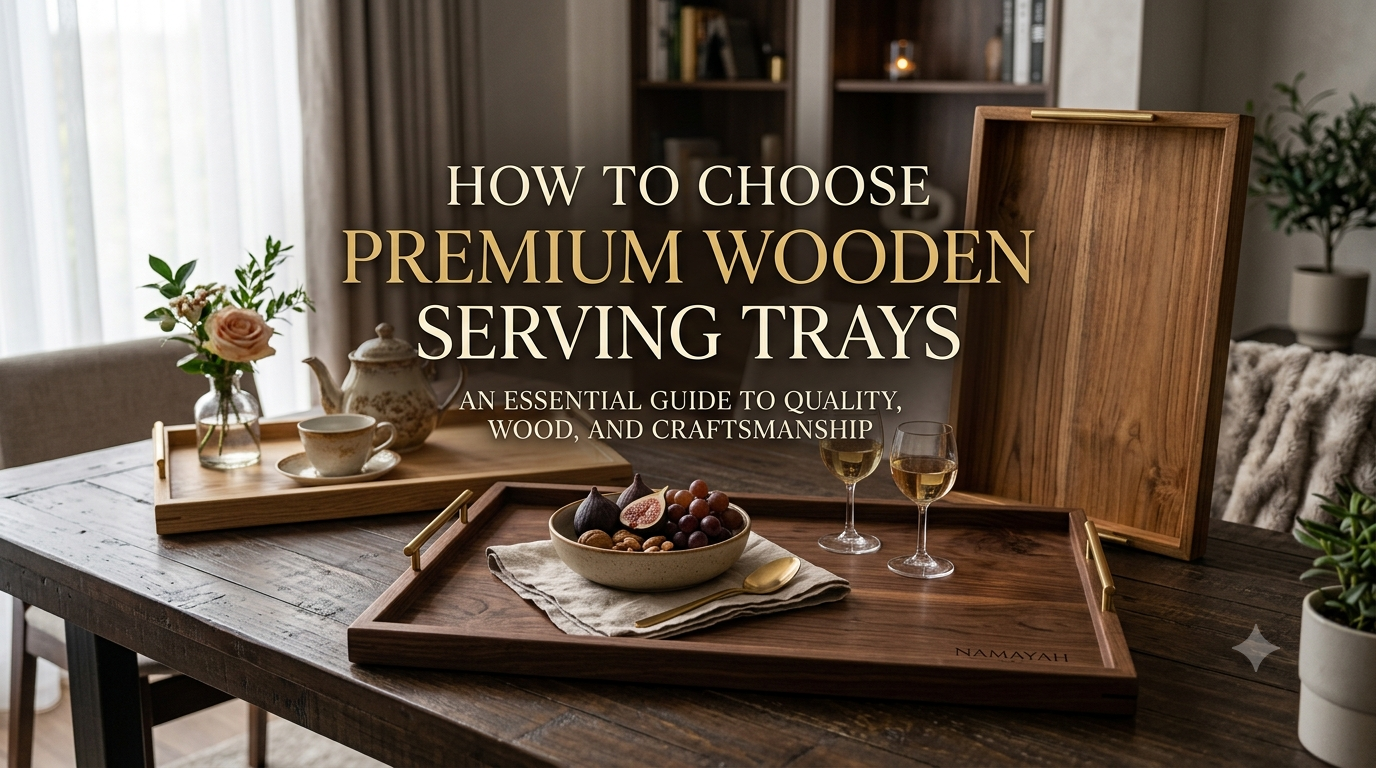
A premium wooden serving tray is more than just a serving accessory. It combines craftsmanship, durability, and timeless style, making it a practical addition to any kitchen, dining room, or living space. Whether you’re serving breakfast in bed, presenting appetizers to guests, or organizing decorative items, the right tray offers both functionality and elegance.
However, not all wooden serving trays are created equal. Some are made from high-quality hardwoods and finished with food-safe oils, while others use lower-grade materials that may warp, crack, or lose their appearance over time.
This guide explains everything you need to know about choosing a premium wooden serving tray so you can invest with confidence.
Why Premium Wooden Serving Trays Are Worth Buying
Premium wooden serving trays offer advantages that extend beyond appearance. High-quality hardwood trays are built to withstand daily use while maintaining their natural beauty for years.
Unlike plastic or inexpensive composite trays, premium wooden trays often feature carefully selected hardwood, smooth hand-finishing, reinforced joints, and protective food-safe coatings.
Some key benefits include:
- Exceptional durability
- Natural, timeless appearance
- Eco-friendly material choices
- Comfortable handling
- Versatility for serving and home décor
- Long-term value compared to cheaper alternatives
A well-crafted tray can become part of your home for many years instead of needing frequent replacement.
Understand Different Types of Wood
The type of wood is one of the biggest factors affecting durability, appearance, and price. Each hardwood offers unique characteristics that suit different preferences and budgets.
Teak
Teak is widely regarded as one of the best woods for serving trays because of its exceptional durability.
Advantages
- Naturally rich oils resist moisture
- Highly resistant to cracking
- Dense hardwood for long service life
- Attractive golden-brown color
- Minimal maintenance required
Teak trays work especially well in kitchens where occasional exposure to water is expected.
Acacia
Acacia has become one of the most popular choices for premium serving trays thanks to its balance of affordability and beauty.
Benefits
- Distinctive natural grain patterns
- Excellent hardness
- Sustainable sourcing in many regions
- Lightweight compared to some hardwoods
- Good resistance to scratches
Acacia offers a premium appearance without the higher cost associated with luxury hardwoods.
Oak
Oak is known for its impressive strength and traditional appearance.
It is commonly used in premium furniture and kitchen accessories because it withstands years of regular use.
Why buyers choose oak
- Strong hardwood construction
- Beautiful visible grain
- Long-lasting performance
- Easy to maintain
- Classic design that complements many interiors
Oak trays often suit farmhouse, rustic, and traditional home décor styles.
Walnut
Walnut is considered one of the most luxurious hardwoods available.
Its rich chocolate-brown tones and elegant grain patterns make it a favorite for upscale kitchens and modern homes.
Advantages
- Sophisticated appearance
- Smooth texture
- Excellent durability
- Premium finish quality
- High-end decorative appeal
Walnut trays are often selected for gifting or formal entertaining.
Evaluate Craftsmanship
Premium wood alone does not guarantee quality. The craftsmanship behind the tray is equally important.
Look closely at how the tray has been constructed.
Strong Joinery
Corners should fit tightly without visible gaps.
Quality trays often use:
- Finger joints
- Dovetail joints
- Reinforced corner construction
These methods improve structural strength compared to simple glued corners.
Smooth Surface
Run your hand across the tray.
A premium tray should feel:
- Perfectly sanded
- Free from splinters
- Comfortable to hold
- Even around the edges
Poor sanding often indicates rushed manufacturing.
Balanced Construction
The tray should sit flat without wobbling.
Uneven bases may indicate poor craftsmanship or warped wood.
Solid Handles
Handles receive constant stress during use.
Choose trays with:
- Ergonomic cutout handles
- Secure metal handles
- Reinforced grip areas
Weak handles are one of the first components to fail on lower-quality trays.
Choose the Right Size and Shape
Selecting the right dimensions depends on how you plan to use your serving tray.
Small Trays
Ideal for:
- Coffee
- Tea service
- Snacks
- Individual breakfasts
Typical size:
Approximately 12–16 inches.
Medium Trays
Suitable for:
- Family meals
- Charcuterie boards
- Drinks
- Everyday serving
Typical size:
Around 16–20 inches.
Large Trays
Best for:
- Parties
- Multiple dishes
- Decorative centerpieces
- Ottoman serving
Typical size:
20 inches or larger.
Round vs. Rectangular Trays
The shape of a serving tray affects both its appearance and functionality.
Round Trays
Round trays create a softer, more decorative look and are ideal for:
- Serving drinks
- Displaying candles or centerpieces
- Coffee table styling
- Smaller gatherings
Their curved edges make them an attractive choice for modern and contemporary interiors.
Rectangular Trays
Rectangular trays maximize serving space and are often the most practical option.
They are ideal for:
- Breakfast in bed
- Serving multiple dishes
- Carrying beverages
- Organizing kitchen counters
Because of their larger usable surface, rectangular trays are often preferred for everyday use.
Check the Finish
The finish not only enhances the tray’s appearance but also protects the wood from moisture, stains, and everyday wear.
Food-Safe Finishes
If you plan to serve food directly on the tray, ensure it has a food-safe finish.
Common options include:
- Natural mineral oil
- Beeswax blends
- Food-safe hardwax oil
- FDA-compliant finishes where applicable
These finishes help preserve the wood while making it safer for food contact.
Matte Finish
A matte finish highlights the wood’s natural texture without creating excessive shine.
Benefits include:
- Natural appearance
- Better scratch concealment
- Rustic elegance
- Easier touch-up maintenance
Gloss Finish
Gloss finishes create a polished, luxurious appearance.
Advantages include:
- Rich color enhancement
- Smooth surface
- Elegant presentation
- Improved stain resistance
However, glossy finishes may show fingerprints and fine scratches more easily.
Features That Add Value
Premium wooden serving trays often include thoughtful features that improve convenience and longevity.
Raised Edges
Raised edges help prevent cups, plates, and bowls from sliding off during transport.
They are especially useful for serving beverages or carrying multiple items.
Non-Slip Feet
Rubber or silicone feet provide several benefits:
- Protect tabletops
- Prevent sliding
- Improve stability
- Reduce scratches on furniture
These small additions can significantly enhance everyday usability.
Comfortable Handles
Handles should be easy to grip, even when the tray is fully loaded.
Look for:
- Wide cutout handles
- Rounded edges
- Reinforced metal handles
- Secure attachment points
Comfortable handles make carrying food and drinks safer and easier.
Decorative Details
Premium trays often include subtle design elements that elevate their appearance, such as:
- Hand-carved edges
- Brass accents
- Leather-wrapped handles
- Contrasting wood inlays
- Minimalist modern profiles
Choose decorative details that complement your home’s style without compromising practicality.
Consider Maintenance Requirements
Different woods require different levels of care. Understanding maintenance needs before purchasing can help preserve the tray’s appearance for years.
Easy-to-Maintain Woods
- Teak
- Acacia
These hardwoods naturally resist moisture and generally require only occasional oiling.
Woods That Benefit from Regular Care
- Oak
- Walnut
Applying food-safe mineral oil periodically helps prevent drying and maintains the wood’s natural color and finish.
General Care Tips
To extend the life of your wooden serving tray:
- Wipe spills promptly.
- Clean with a damp cloth and mild soap.
- Dry immediately after washing.
- Avoid soaking in water.
- Never place wooden trays in a dishwasher.
- Store in a dry, well-ventilated area.
- Reapply food-safe oil when the wood appears dry.
Proper maintenance keeps the tray looking beautiful while reducing the risk of cracking or warping.
Common Mistakes to Avoid
Many buyers focus only on appearance and overlook important quality indicators. Avoid these common mistakes when shopping for a premium wooden serving tray.
Choosing Softwood Instead of Hardwood
Softwoods are generally more prone to dents and scratches than hardwoods. For better durability, consider hardwood options such as teak, acacia, oak, or walnut.
Ignoring the Finish
An attractive tray with a poor-quality finish may absorb moisture, develop stains, or wear out more quickly. Always check that the finish is durable and suitable for its intended use.
Buying the Wrong Size
A tray that’s too small may not hold everything you need, while one that’s too large can be awkward to carry. Think about your typical serving needs before choosing a size.
Overlooking Handle Comfort
Stylish handles aren’t always comfortable. Test the grip, if possible, or review product details to ensure the handles are secure and ergonomic.
Prioritizing Price Over Quality
The least expensive option may cost more over time if it needs frequent replacement. Investing in a well-made tray often provides better long-term value through improved durability and craftsmanship.
Frequently Asked Questions
What is the best wood for a premium serving tray?
Teak is widely valued for its natural moisture resistance and durability. Acacia offers an excellent balance of affordability and attractive grain, while walnut provides a premium appearance and oak delivers long-lasting strength.
Are wooden serving trays safe for food?
Yes, provided they are finished with a food-safe coating and maintained according to the manufacturer’s care instructions. Always confirm that the finish is intended for food-contact surfaces if you plan to serve food directly on the tray.
How do I clean a wooden serving tray?
Use a soft cloth with warm water and mild soap, then dry the tray immediately. Avoid soaking it or placing it in the dishwasher, as excessive moisture can damage the wood.
Which size serving tray is best?
The ideal size depends on how you’ll use it. Smaller trays work well for drinks and snacks, medium trays suit everyday serving, and larger trays are ideal for entertaining or serving multiple dishes.
How often should I oil a wooden serving tray?
The frequency depends on the wood species, climate, and usage. Applying a food-safe mineral oil whenever the wood looks dry can help maintain its appearance and protect the surface.
Are premium wooden serving trays worth the investment?
For many households, yes. A well-crafted tray made from quality hardwood can offer years of reliable use, timeless style, and greater durability than lower-cost alternatives.
Conclusion
Choosing a premium wooden serving tray is about finding the right balance between quality, functionality, and style. While appearance is important, factors such as the type of wood, craftsmanship, finish, size, and maintenance requirements play a much bigger role in determining long-term value.
Hardwoods like teak, acacia, oak, and walnut each offer unique benefits. Teak excels in moisture resistance, acacia provides excellent value and striking grain patterns, oak delivers dependable strength, and walnut stands out with its luxurious appearance. Evaluating the construction, ensuring the finish is food-safe, and selecting a size that suits your everyday needs will help you make a purchase you’ll appreciate for years.
Whether you’re buying a tray for serving meals, entertaining guests, organizing your home, or giving it as a thoughtful gift, investing in a well-crafted wooden serving tray can enhance both practicality and décor. By focusing on quality rather than price alone, you’ll be better equipped to choose a tray that combines beauty, durability, and everyday usefulness.