
How to Clean and Maintain Brass Decorative Items
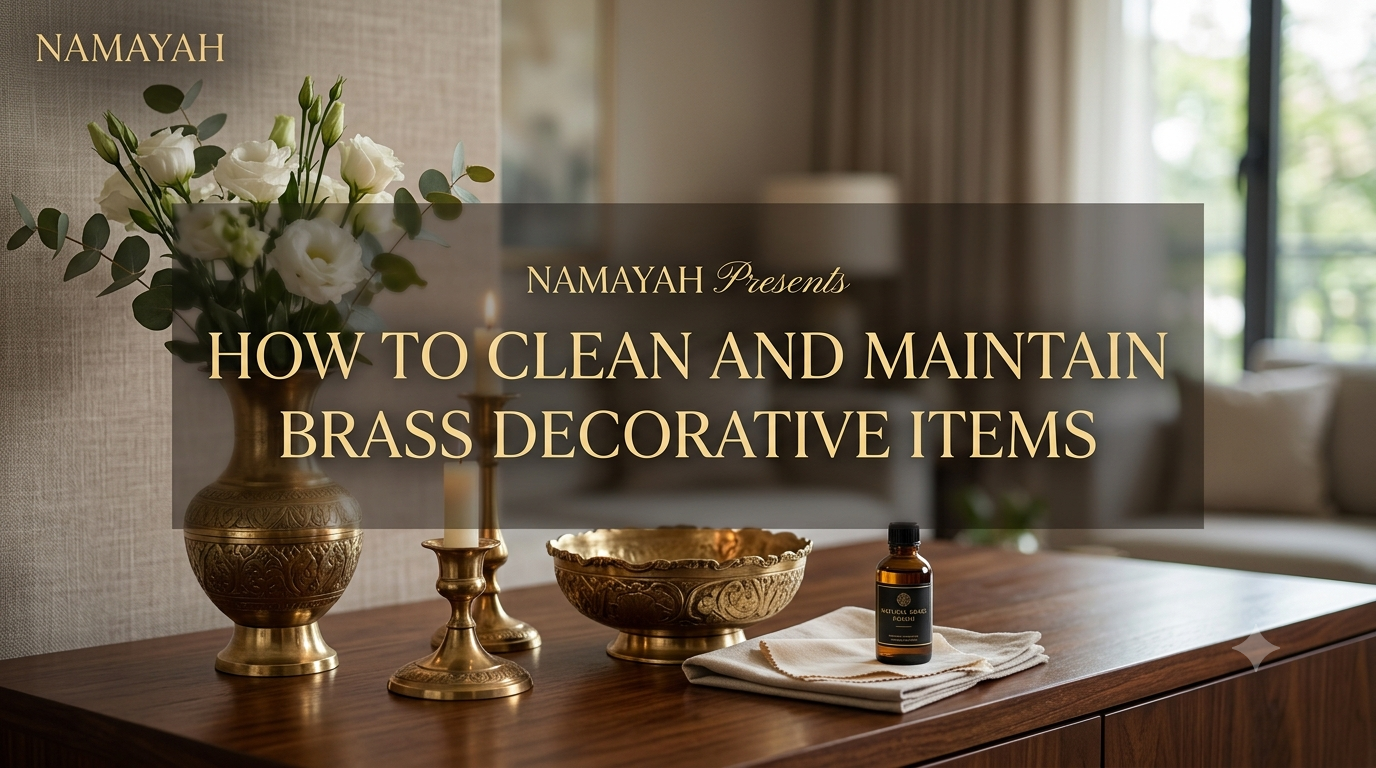
Brass decorative items add warmth, elegance, and timeless charm to any home. Whether you own brass lamps, figurines, vases, candle holders, trays, or antique décor, proper cleaning and maintenance help preserve their beauty and extend their lifespan.
The good news is that most brass items can be cleaned using simple household ingredients or specially formulated brass cleaners. The key is using the right method based on whether the item is solid brass or brass-plated.
Why Brass Loses Its Shine
Brass is an alloy made primarily of copper and zinc. Over time, exposure to air, moisture, fingerprints, and pollutants causes oxidation. This reaction forms a dull or dark layer known as tarnish.
Factors that speed up tarnishing include:
- High humidity
- Frequent handling
- Dust buildup
- Air pollution
- Salt exposure
- Improper storage
Regular maintenance prevents heavy tarnish and reduces the need for aggressive polishing.
How to Tell if an Item Is Solid Brass
Before cleaning, determine whether your decorative item is solid brass or brass-plated.
A simple magnet test can help:
- Magnet sticks: The item is likely brass-plated over steel or iron.
- Magnet does not stick: The item may be solid brass.
Brass-plated items require gentler cleaning because excessive polishing can wear away the thin brass coating.
Supplies You’ll Need
Gather these materials before starting:
- Soft microfiber cloths
- Mild dish soap
- Warm water
- Soft sponge
- Cotton swabs
- Soft-bristle toothbrush
- Lemon (optional)
- Baking soda (optional)
- White vinegar (optional)
- Flour (optional)
- Commercial brass polish (if needed)
- Clean dry towel
Avoid steel wool, wire brushes, or abrasive scrubbers, which can scratch the surface.
Step-by-Step Cleaning Process
1. Dust the Surface
Remove loose dust using a dry microfiber cloth.
Dusting first prevents dirt particles from scratching the brass during cleaning.
2. Wash with Mild Soap
Mix a few drops of dish soap into warm water.
- Dip a soft cloth into the solution.
- Wipe the brass gently.
- Clean intricate areas with a soft toothbrush.
- Rinse using a damp cloth rather than soaking decorative pieces.
This step removes grease, fingerprints, and everyday dirt.
3. Remove Tarnish
If soap alone doesn’t restore the shine, use a gentle polishing method.
Lemon and Baking Soda
Mix lemon juice with baking soda to form a soft paste.
- Apply lightly.
- Rub using circular motions.
- Let it sit briefly if needed.
- Wipe clean with a damp cloth.
Vinegar, Salt, and Flour Paste
Create a paste using white vinegar, flour, and a small amount of salt.
- Spread evenly.
- Leave it on briefly.
- Wipe away gently.
- Rinse with a damp cloth.
- Dry immediately.
Test any homemade cleaner on an inconspicuous area first, especially for antique or lacquered pieces.
4. Dry Thoroughly
Moisture encourages tarnish.
After cleaning:
- Dry immediately with a soft towel.
- Buff gently using a clean microfiber cloth.
- Remove any remaining moisture from decorative grooves.
Homemade Brass Cleaning Solutions
Natural cleaning methods are popular because they’re inexpensive and easy to prepare.
| Cleaner | Best For | Notes |
|---|---|---|
| Mild soap | Routine cleaning | Safe for most brass |
| Lemon and baking soda | Light tarnish | Use gently |
| Vinegar paste | Moderate tarnish | Rinse well afterward |
| Microfiber cloth | Weekly maintenance | Prevents dust buildup |
Avoid experimenting with unknown acidic mixtures or harsh chemicals.
Commercial Brass Cleaners
Commercial brass polishes can restore heavily tarnished items more quickly.
When using them:
- Follow the manufacturer’s directions.
- Use only a small amount.
- Buff gently.
- Remove excess polish completely.
- Wear gloves if recommended on the label.
Some products are not intended for lacquered brass, so check the product instructions before use.
Maintenance Tips
Regular care keeps brass looking bright much longer.
Dust Weekly
Frequent dusting reduces buildup that can dull the finish.
Handle with Clean Hands
Skin oils accelerate tarnishing.
Keep Brass Dry
Avoid leaving brass in damp environments whenever possible.
Store Properly
If storing decorative items:
- Wrap them in soft cloth.
- Keep them in a dry location.
- Avoid plastic bags that may trap moisture.
Polish Only When Needed
Over-polishing can gradually wear the surface, especially on brass-plated items.
Protect the Finish
Some decorative brass pieces have a clear lacquer coating. If the coating is damaged, consult a restoration professional before attempting aggressive polishing.
Common Mistakes to Avoid
Many brass items are accidentally damaged through improper cleaning.
Avoid these mistakes:
- Using abrasive scrubbers
- Soaking decorative pieces unnecessarily
- Leaving moisture on the surface
- Using strong acids or bleach
- Polishing lacquered brass without checking the finish
- Cleaning brass-plated items too aggressively
- Ignoring manufacturer care instructions
Frequently Asked Questions
How often should I clean brass decorative items?
Dust weekly and perform a more thorough cleaning only when dirt or tarnish becomes noticeable.
Can I use toothpaste to clean brass?
Some people use non-gel toothpaste as a mild polish, but formulations vary and some contain abrasives. It’s generally safer to use products intended for brass or gentler household methods.
Is vinegar safe for brass?
White vinegar can help remove tarnish when used in moderation and rinsed off promptly. Avoid prolonged exposure and test first, especially on delicate or antique pieces.
Can brass be permanently protected from tarnish?
No. Brass naturally oxidizes over time. Regular maintenance, proper storage, and protective coatings can slow the process.
Should I polish antique brass?
Many antiques have a valued natural patina. Removing it may reduce their historical or collector appeal. If you’re unsure, seek advice from an antiques conservator before polishing.
Can brass decorative items get wet?
Brief cleaning with water is generally fine, but brass should be dried thoroughly afterward to help minimize tarnishing.
Conclusion
Cleaning and maintaining brass decorative items doesn’t have to be complicated. Routine dusting, gentle washing, prompt drying, and occasional polishing are usually enough to keep brass looking attractive. By identifying whether your piece is solid brass or brass-plated and avoiding harsh cleaning methods, you can preserve its appearance and extend its life for years.