
Modern Indian Home Décor Trends for Elegant Living
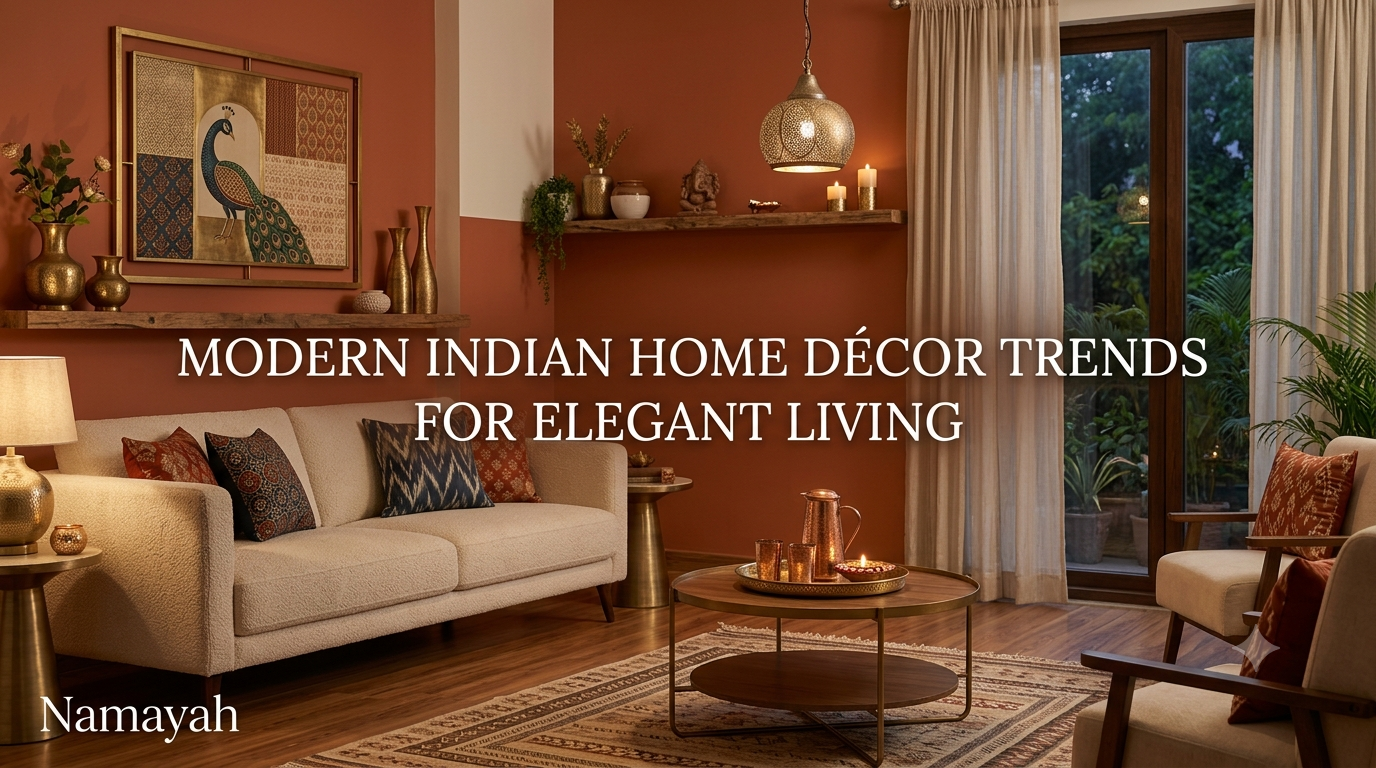
Modern Indian home décor blends contemporary design with timeless Indian craftsmanship. Instead of choosing between traditional and modern aesthetics, homeowners are combining clean lines, natural materials, handcrafted accents, and smart functionality to create elegant living spaces.
Today’s homes emphasize comfort, simplicity, and personality. Warm neutral colors, sustainable materials, statement lighting, and locally crafted décor pieces are becoming defining features of modern Indian interiors. This approach creates spaces that are visually appealing while remaining practical for everyday living.
One of the biggest shifts in modern Indian homes is the move toward minimalism with character. Rather than filling rooms with excessive decoration, designers focus on a few carefully selected furniture pieces, textured fabrics, indoor plants, and artisanal accessories. The result is a home that feels open, inviting, and uniquely personal.
Another important trend is the growing preference for sustainable décor. Homeowners increasingly choose materials such as solid wood, bamboo, cane, jute, linen, and recycled products. These natural elements not only reduce environmental impact but also add warmth and authenticity to interiors.
Why Modern Indian Home Décor Is Gaining Popularity
Modern Indian home décor has become increasingly popular because it strikes a balance between contemporary aesthetics and India’s rich cultural heritage. Instead of replacing traditional elements, this design approach reimagines them for modern lifestyles.
Urban homes often have limited space, making functionality just as important as appearance. Modern Indian interiors focus on maximizing natural light, using multifunctional furniture, and maintaining an uncluttered layout without sacrificing warmth or personality.
Some key reasons for its growing appeal include:
- A clean and sophisticated appearance
- Better use of available space
- Easy maintenance
- Greater emphasis on natural materials
- Personalized styling with handcrafted décor
- Compatibility with smart home technology
This combination makes the style suitable for apartments, villas, duplexes, and even compact studio homes.
Trending Color Palettes for Elegant Indian Homes
Color is one of the most influential elements in interior design. Modern Indian homes are moving away from overly bright combinations and embracing sophisticated palettes that create a calm and luxurious atmosphere.
1. Warm Neutrals
Soft shades such as:
- Beige
- Ivory
- Cream
- Sand
- Taupe
These colors make rooms feel larger while providing an ideal backdrop for artwork and decorative accessories.
2. Earth-Inspired Colors
Nature-inspired tones continue to dominate Indian interiors, including:
- Terracotta
- Olive green
- Clay brown
- Sage green
- Stone grey
These shades pair beautifully with wooden furniture and indoor plants.
3. Deep Accent Colors
To add visual interest without overwhelming the room, many homeowners introduce bold accents through:
- Emerald green
- Navy blue
- Charcoal grey
- Burgundy
- Mustard yellow
Accent colors are commonly used on cushions, rugs, feature walls, and artwork.
4. Metallic Finishes
Metallic touches add elegance when used sparingly.
Popular finishes include:
- Matte gold
- Antique brass
- Brushed copper
- Black metal
- Satin nickel
These appear in lighting fixtures, cabinet handles, mirrors, and decorative accessories.
Sustainable and Eco-Friendly Décor
Sustainability has become an important consideration in modern Indian homes. Rather than following short-lived design trends, many homeowners invest in durable, environmentally responsible materials.
Popular sustainable choices include:
Solid Wood Furniture
Furniture crafted from responsibly sourced wood offers longevity and timeless appeal. Its natural grain enhances warmth and complements a wide range of interior styles.
Cane and Rattan
These lightweight materials are increasingly used for:
- Chairs
- Coffee tables
- Cabinets
- Pendant lights
- Headboards
They introduce texture while maintaining an airy, contemporary feel.
Natural Textiles
Cotton, linen, khadi, and jute are preferred for:
- Curtains
- Cushion covers
- Upholstery
- Rugs
- Table runners
Natural fabrics improve comfort while creating a relaxed and inviting atmosphere.
Indoor Plants
Greenery remains one of the simplest ways to refresh interiors.
Popular choices include:
- Snake Plant
- Areca Palm
- Money Plant
- Peace Lily
- ZZ Plant
These plants enhance visual appeal and can help create a more vibrant indoor environment when properly cared for.
Handcrafted Décor
Supporting local artisans is another defining trend.
Handmade items such as:
- Terracotta vases
- Wooden sculptures
- Handwoven baskets
- Brass décor pieces
- Ceramic pottery
add individuality and celebrate traditional craftsmanship within contemporary spaces.
Modern Furniture Trends for Indian Homes
Furniture is the foundation of any well-designed interior. Modern Indian homes prioritize pieces that combine elegance, comfort, and functionality. Instead of filling every corner, homeowners are choosing fewer, high-quality items that enhance both aesthetics and usability.
1. Multifunctional Furniture
As urban living spaces become more compact, multifunctional furniture has become a practical choice.
Popular options include:
- Storage beds
- Extendable dining tables
- Sofa-cum-beds
- Nesting coffee tables
- Ottomans with hidden storage
These pieces maximize space without compromising on style.
2. Clean and Minimal Designs
Modern furniture often features:
- Straight lines
- Smooth surfaces
- Neutral upholstery
- Slim metal or wooden legs
- Simple geometric shapes
This minimalist approach creates a spacious and uncluttered look while allowing decorative accents to stand out.
3. Natural Wood Finishes
Wood remains one of the most sought-after materials in Indian interiors.
Common finishes include:
- Oak-inspired tones
- Walnut finishes
- Teak wood
- Ash wood
- Matte natural textures
Wooden furniture pairs beautifully with soft fabrics, indoor plants, and warm lighting.
4. Curved Furniture
Rounded edges are replacing sharp, angular designs.
Examples include:
- Curved sofas
- Round coffee tables
- Oval dining tables
- Arched bookshelves
- Circular mirrors
Curved furniture adds softness and creates a more inviting atmosphere.
Lighting Trends That Elevate Elegant Living
Lighting is one of the most impactful elements in interior design. A thoughtfully planned lighting scheme enhances functionality, highlights architectural features, and sets the mood.
Layered Lighting
Rather than relying on a single ceiling fixture, combine multiple light sources:
- Ambient lighting for overall illumination
- Task lighting for work areas
- Accent lighting to highlight artwork or décor
This layered approach adds depth and flexibility to every room.
Statement Pendant Lights
Pendant lighting has become a popular focal point in:
- Dining rooms
- Kitchen islands
- Living rooms
- Entryways
Materials such as glass, cane, brass, and matte metal complement modern Indian interiors.
Warm LED Lighting
Warm white LEDs create a cozy and welcoming atmosphere. They work especially well in living rooms and bedrooms, where softer lighting enhances relaxation.
Decorative Floor and Table Lamps
Freestanding lamps provide both illumination and style. They are ideal for reading corners, beside sofas, or in empty corners that need visual interest.
Smart Lighting
Many homeowners are incorporating smart lighting systems that allow brightness and color temperature to be adjusted using mobile apps or voice assistants. This adds convenience while helping tailor lighting to different activities.
Decorative Accessories That Complete the Look
Accessories bring personality to a home. Instead of overcrowding shelves or walls, modern styling focuses on carefully chosen pieces that complement the overall design.
Wall Art
Popular choices include:
- Abstract paintings
- Botanical prints
- Black-and-white photography
- Handcrafted Indian artwork
- Framed textile art
A well-curated gallery wall can become a striking focal point.
Mirrors
Large mirrors help reflect natural light and make smaller rooms feel more spacious. Frames in wood, brass, or matte black blend well with contemporary décor.
Rugs
Area rugs define spaces while adding warmth and texture.
Trending materials include:
- Wool
- Cotton
- Jute
- Handwoven blends
Neutral patterns with subtle geometric designs are especially versatile.
Cushions and Throws
Layering cushions in different textures and complementary colors instantly refreshes sofas and beds. Throws in cotton or linen add comfort and visual depth.
Indoor Greenery
Plants soften modern interiors and create a calming environment. Decorative planters in ceramic, terracotta, or woven baskets enhance the overall aesthetic.
Room-by-Room Styling Tips
Living Room
The living room often serves as the heart of the home. Aim for a balance between comfort and sophistication.
Consider:
- A neutral sofa with colorful accent cushions
- A wooden coffee table
- Layered lighting
- A statement rug
- Indoor plants
- Minimal yet meaningful wall décor
Keep pathways clear to maintain an open and inviting layout.
Bedroom
Create a peaceful retreat by using:
- Soft, neutral bedding
- Upholstered or wooden headboards
- Bedside lamps with warm lighting
- Blackout curtains
- Simple artwork
- Limited decorative accessories
Avoid excessive furniture to preserve a restful atmosphere.
Dining Area
A modern dining space benefits from:
- A solid wood or stone-top dining table
- Comfortable upholstered chairs
- A pendant light above the table
- A centerpiece such as fresh flowers or a ceramic bowl
- Coordinated table linens
This combination creates an elegant setting for everyday meals and gatherings.
Kitchen
Modern Indian kitchens prioritize functionality and organization.
Key features include:
- Modular cabinetry
- Open shelving for select display items
- Under-cabinet lighting
- Durable countertops
- Built-in storage solutions
A clutter-free countertop enhances both appearance and efficiency.
Home Office
With remote work becoming more common, a dedicated workspace is increasingly important.
Include:
- An ergonomic chair
- A functional desk
- Adjustable task lighting
- Shelving for organization
- Indoor plants to add freshness
Choose a quiet location with ample natural light whenever possible.
Common Decorating Mistakes to Avoid
Even with the best décor ideas, a few common mistakes can prevent your home from achieving a balanced and elegant appearance. Being mindful of these pitfalls can help create a more cohesive and functional living space.
1. Overcrowding the Space
Adding too much furniture or too many decorative items can make a room feel cramped. Leave enough open space for comfortable movement and let key pieces stand out.
2. Ignoring Natural Light
Heavy curtains or dark color schemes may reduce the amount of natural light entering a room. Use sheer curtains, mirrors, and light-colored walls to create a brighter, more open feel.
3. Mixing Too Many Styles
Combining several design styles without a clear vision can result in a cluttered look. Select a primary style—such as modern Indian—and introduce complementary elements thoughtfully.
4. Choosing Style Over Comfort
A beautiful room should also be practical. Prioritize furniture that is comfortable and suited to your daily needs, especially in living rooms and bedrooms.
5. Neglecting Storage
Visible clutter can detract from even the most attractive interiors. Incorporate storage solutions such as cabinets, baskets, floating shelves, or storage ottomans to keep everyday items organized.
6. Using Incorrect Scale
Oversized furniture can overwhelm a small room, while very small pieces may look out of place in a larger space. Measure your rooms carefully and choose furnishings that suit the available space.
Frequently Asked Questions
1. What defines modern Indian home décor?
Modern Indian home décor combines contemporary layouts, clean lines, and functional furniture with traditional materials, handcrafted accents, and cultural influences to create elegant yet practical living spaces.
2. Which colors are popular in modern Indian interiors?
Warm neutrals such as beige, ivory, and taupe remain popular, along with earthy tones like terracotta, sage green, and olive. Accent colors such as navy blue, emerald green, and mustard are often used in moderation.
3. How can I make a small home look more spacious?
Use light-colored walls, multifunctional furniture, mirrors, adequate lighting, and minimal décor. Keeping rooms organized and avoiding unnecessary furniture also helps create an open feel.
4. Are sustainable materials suitable for luxury interiors?
Yes. Materials such as solid wood, cane, bamboo, linen, jute, and natural stone can create refined interiors while supporting long-lasting design and responsible material choices.
5. How important is lighting in interior design?
Lighting influences both functionality and ambiance. Layering ambient, task, and accent lighting helps improve usability while highlighting architectural and decorative features.
6. What accessories enhance a modern Indian home?
Indoor plants, ceramic vases, handcrafted décor, woven baskets, textured rugs, artwork, decorative mirrors, and soft furnishings can add character without overwhelming the space.
7. Can traditional Indian décor work with modern interiors?
Yes. Elements such as carved wooden furniture, brass accents, block-printed textiles, handcrafted pottery, and regional artwork can blend beautifully with modern furnishings when used thoughtfully.
Conclusion
Modern Indian home décor is about creating spaces that balance beauty, comfort, and practicality. By combining clean contemporary design with natural materials, handcrafted details, thoughtful lighting, and functional furniture, homeowners can achieve interiors that are both timeless and welcoming.
Rather than following every trend, focus on choices that suit your lifestyle, available space, and personal preferences. A cohesive color palette, quality furnishings, and carefully selected accessories often have a greater impact than excessive decoration. With thoughtful planning, your home can reflect modern elegance while celebrating the richness of Indian design traditions.