
Why Artisan Gifts Are More Meaningful Than Mass-Produced Gifts
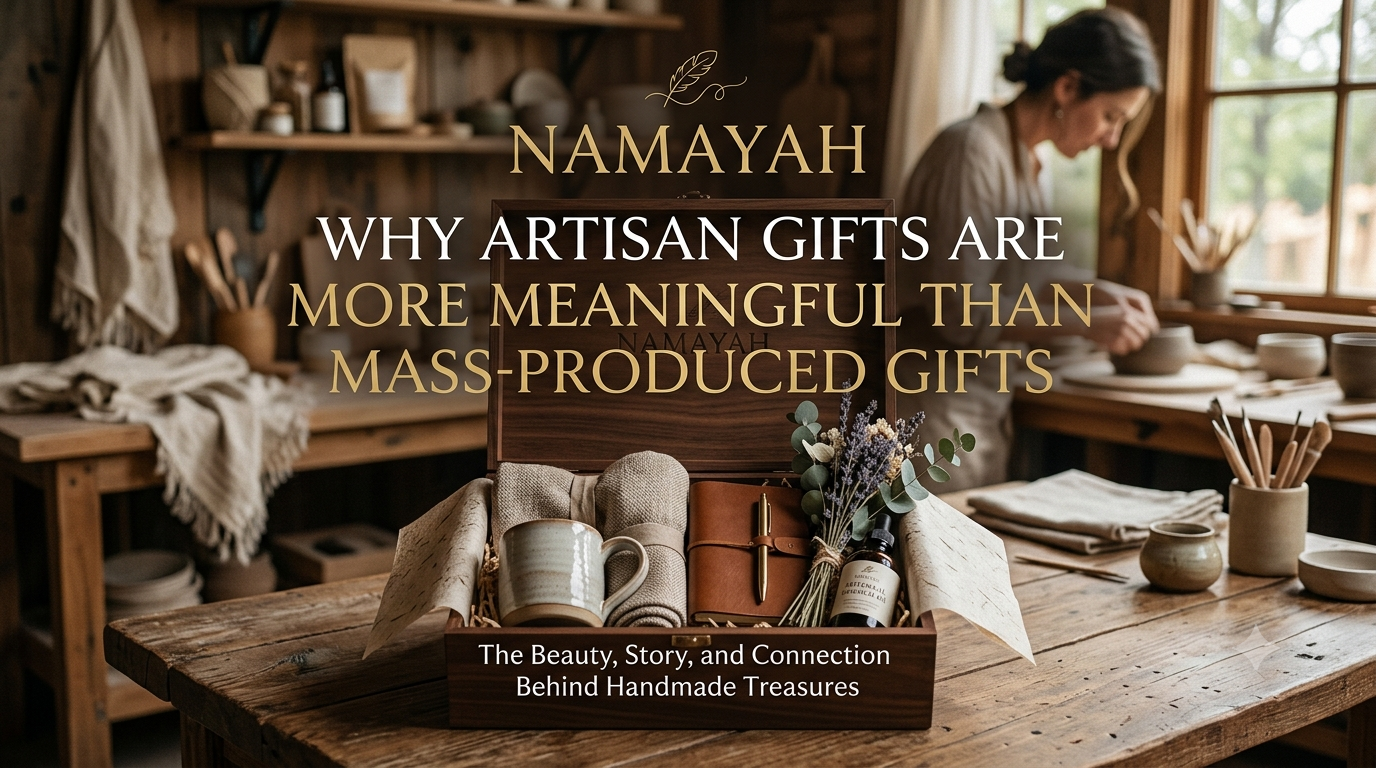
Gift-giving has always been about more than exchanging items. A thoughtful present expresses appreciation, strengthens relationships, and creates lasting memories. While mass-produced gifts are convenient and widely available, artisan gifts offer something that factories cannot replicate—individuality, craftsmanship, and a personal connection.
Whether you’re celebrating a birthday, anniversary, wedding, holiday, or another special occasion, choosing a handcrafted gift often leaves a stronger emotional impression. Artisan products represent time, creativity, and dedication, making every purchase meaningful for both the recipient and the maker.
In a world where many products are produced in enormous quantities, handcrafted gifts remind us that quality, authenticity, and human creativity still matter.
What Are Artisan Gifts?
Artisan gifts are products carefully created by skilled craftspeople using traditional techniques, modern craftsmanship, or a combination of both. Rather than being manufactured on large assembly lines, these items are typically produced in small batches or as one-of-a-kind pieces.
Examples include:
- Handmade pottery
- Hand-poured candles
- Wooden home décor
- Personalized leather accessories
- Handwoven baskets
- Artisan soaps
- Handmade jewelry
- Custom ceramics
- Embroidered textiles
- Handcrafted kitchenware
Many artisans spend years refining their craft, ensuring every product reflects their expertise and artistic vision.
Unlike factory-made goods, artisan products often include subtle variations that make every piece unique.
Artisan Gifts vs. Mass-Produced Gifts
Although both types of gifts serve a purpose, they differ significantly in how they are made and perceived.
| Feature | Artisan Gifts | Mass-Produced Gifts |
| Production | Handmade or small batch | Factory production |
| Uniqueness | Every item is slightly different | Nearly identical |
| Personal Touch | High | Limited |
| Craftsmanship | Skilled manual work | Automated manufacturing |
| Customization | Often available | Usually limited |
| Emotional Value | Strong | Moderate |
| Materials | Often carefully selected | Frequently standardized |
| Production Speed | Slower | Very fast |
Mass production focuses on efficiency, consistency, and affordability. Artisan production prioritizes quality, creativity, and individuality.
Neither approach is inherently wrong, but when emotional significance matters, handmade gifts often create a stronger impact.
The Emotional Value of Handmade Gifts
One of the biggest reasons artisan gifts stand out is the emotional connection they create.
People naturally appreciate gifts that appear thoughtful rather than rushed. When someone receives a handcrafted item, they often recognize the time, effort, and creativity invested in making it.
That emotional response comes from several factors:
They Feel Personal
Many artisan products can be personalized through engraving, custom colors, initials, names, or meaningful messages.
Personalization transforms an ordinary object into a keepsake that carries lasting sentimental value.
They Show Extra Thought
Buying an artisan gift usually involves more consideration than purchasing a generic item from a large retailer.
Recipients often recognize that the giver spent time searching for something unique instead of choosing the first available option.
They Become Lasting Memories
People rarely remember every gift they receive.
However, they often remember the gifts that tell a story.
A handmade ceramic mug from a local potter, a hand-carved wooden keepsake box, or a personalized leather journal may remain treasured for years because each item carries emotional significance beyond its practical use.
Every Piece Has Its Own Story
Mass-produced products are designed to look identical.
Artisan products celebrate individuality.
Every handcrafted piece reflects the maker’s techniques, artistic decisions, and creative process.
Small differences in texture, shape, color, or finish are not flaws—they’re evidence that a real person created the item.
Many artisans also draw inspiration from:
- Local traditions
- Cultural heritage
- Natural materials
- Family techniques
- Regional craftsmanship
- Personal artistic style
When someone receives an artisan gift, they aren’t just receiving an object—they’re receiving a story.
That story adds depth and authenticity that factory-made products often lack.
Supporting Independent Makers and Small Businesses
Buying artisan gifts doesn’t just benefit the recipient.
It also supports talented individuals who invest their time and skills into creating exceptional products.
Many artisans operate:
- Small studios
- Family businesses
- Independent workshops
- Local craft markets
- Online handmade shops
Purchasing from these creators helps sustain traditional craftsmanship while encouraging entrepreneurship and creative careers.
Consumers increasingly value knowing where their purchases come from and who made them. Choosing artisan gifts fosters a stronger connection between buyers and makers than anonymous mass production ever can.
Higher Quality and Craftsmanship
Artisan makers typically emphasize durability over speed. Because they produce smaller quantities, they can pay close attention to details throughout the creation process.
This often results in:
- Better finishing
- Stronger construction
- Carefully selected materials
- Improved durability
- Greater attention to detail
- More refined aesthetics
Rather than producing hundreds of identical products each day, artisans often inspect each item individually before it reaches a customer.
That level of care can contribute to a product that feels more distinctive and satisfying to own.
Sustainability and Ethical Production
As consumers become more conscious of their purchasing decisions, sustainability has become an important factor in gift buying. Artisan gifts often align well with environmentally responsible values because they are typically produced on a smaller scale with greater attention to materials and waste.
While practices vary between makers, many artisans strive to:
- Source materials responsibly
- Minimize production waste
- Use recyclable or reusable packaging
- Produce only what is needed instead of large inventories
- Create durable products designed to last
Choosing a well-made gift that remains useful for years can also reduce the need for frequent replacements, supporting a more mindful approach to consumption.
The Beauty of Imperfection
One of the defining characteristics of handcrafted items is that no two pieces are exactly alike.
Tiny differences in color, texture, grain, stitching, or finish are natural results of the handmade process. These subtle variations give each item its own identity and distinguish it from factory-produced goods that are designed for complete uniformity.
Rather than viewing these differences as imperfections, many people appreciate them as signs of authenticity. They serve as reminders that a skilled craftsperson—not a machine—created the product with care and attention.
For many recipients, these unique details become part of the gift’s charm and sentimental value.
Artisan Gifts Strengthen Personal Connections
The most memorable gifts often reflect an understanding of the recipient’s interests, hobbies, or personality.
Artisan products make it easier to find something that feels thoughtfully selected rather than generic. Whether it’s a hand-thrown mug for a coffee enthusiast, a custom leather notebook for a writer, or handcrafted jewelry inspired by nature, these gifts demonstrate genuine consideration.
Thoughtful gifting can strengthen relationships by showing that the giver invested time in finding something meaningful instead of choosing the quickest option.
This added level of intention often makes artisan gifts suitable for occasions such as:
- Birthdays
- Weddings
- Anniversaries
- Housewarming celebrations
- Baby showers
- Graduations
- Mother’s Day and Father’s Day
- Holiday celebrations
- Retirement gifts
- Corporate appreciation gifts
Choosing the Right Artisan Gift
Finding the perfect handcrafted gift becomes easier when you focus on the recipient rather than the occasion alone.
Consider the following tips:
1. Think About Their Interests
Choose a gift that reflects their hobbies, passions, or lifestyle.
For example:
- Home chefs may appreciate handmade cutting boards or ceramic serving bowls.
- Garden enthusiasts may enjoy handcrafted planters.
- Travelers may value personalized leather passport holders.
- Book lovers might treasure handmade bookmarks or custom journals.
2. Consider Practicality
Beautiful gifts become even more meaningful when they are useful in everyday life.
Look for artisan products that combine craftsmanship with functionality, such as kitchenware, home décor, accessories, or office essentials.
3. Look for Personalization Options
Many artisans offer custom engraving, initials, names, dates, or special messages.
Personalization transforms an already unique product into a keepsake that commemorates a special moment.
4. Learn About the Maker
Reading about the artisan’s background, techniques, or inspiration can make the gift even more meaningful. Sharing that story with the recipient adds another layer of appreciation.
5. Prioritize Quality Over Quantity
Instead of purchasing several inexpensive items, consider investing in one thoughtfully crafted piece that will be enjoyed for years.
A single high-quality artisan gift often carries more lasting value than multiple mass-produced alternatives.
Frequently Asked Questions
Are artisan gifts more expensive?
Some artisan gifts may cost more than mass-produced products because they require skilled labor, quality materials, and additional production time. However, many buyers view the craftsmanship, uniqueness, and durability as worthwhile investments.
Why do people prefer handmade gifts?
Handmade gifts often feel more personal because they reflect creativity, individuality, and careful craftsmanship. They also demonstrate thoughtful gift selection, which can strengthen emotional connections.
Are artisan gifts good for every occasion?
Yes. Artisan gifts are suitable for birthdays, weddings, anniversaries, holidays, graduations, housewarmings, corporate gifting, and many other celebrations. Their versatility makes them appropriate for both personal and professional occasions.
Can artisan gifts be personalized?
Many artisans offer customization options such as engraved names, initials, custom colors, dates, or meaningful messages, allowing buyers to create one-of-a-kind gifts.
Are handcrafted gifts environmentally friendly?
Many artisans adopt sustainable practices, such as producing in small batches, reducing waste, and using responsibly sourced materials. However, sustainability varies by maker, so it’s worth reviewing individual practices before purchasing.
How do artisan gifts support local communities?
Buying from independent artisans helps support small businesses, preserve traditional craftsmanship, encourage creative entrepreneurship, and contribute to local economies.
Conclusion
Artisan gifts offer something that mass-produced products often cannot: authenticity, individuality, and meaningful craftsmanship. Every handcrafted piece reflects the time, skill, and creativity of the person who made it, transforming an everyday object into something memorable.
Whether you’re celebrating a birthday, wedding, holiday, or another special occasion, choosing an artisan gift demonstrates thoughtfulness that extends beyond the item itself. It supports independent makers, encourages traditional craftsmanship, and provides recipients with a unique keepsake that can be appreciated for years.
In an increasingly automated world, handcrafted gifts remind us that human creativity, personal connections, and quality craftsmanship continue to hold lasting value.