
How Copper Products Support Sustainable Living
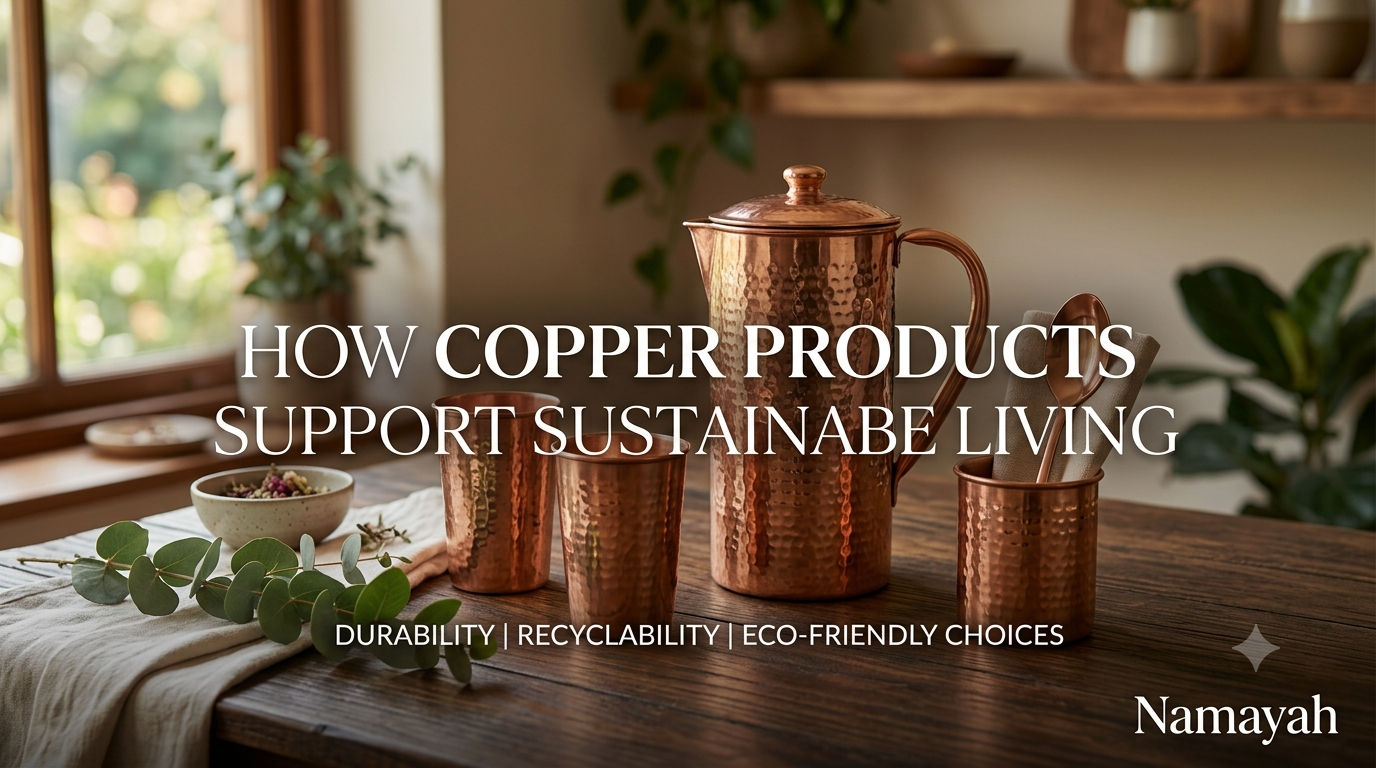
Sustainability has become more than just a trend—it is a necessity for protecting our planet and preserving resources for future generations. Individuals, businesses, and governments are actively seeking environmentally friendly alternatives to reduce waste, conserve energy, and lower carbon emissions. Among the many materials contributing to this global movement, copper stands out as one of the most sustainable and versatile metals available.
From reusable water bottles and kitchenware to renewable energy systems and electric vehicles, copper plays a vital role in creating a cleaner, healthier world. Unlike many other materials, copper can be recycled repeatedly without losing its quality, making it an excellent choice for sustainable manufacturing and everyday living.
This article explores How Copper Products Support Sustainable Living, highlighting their environmental, economic, and health benefits while explaining why copper continues to be one of the most valuable materials in the green economy.
Understanding Sustainable Living
Sustainable living means making choices that minimize environmental impact while conserving natural resources. It focuses on reducing waste, using renewable materials, conserving energy, and supporting products designed to last longer.
Simple actions such as carrying reusable bottles, purchasing durable household items, recycling materials, and reducing single-use plastics all contribute to sustainable living.
Copper products naturally align with these principles because they combine durability, recyclability, and efficiency.
Why Copper Is Considered a Sustainable Metal
Copper has been used by civilizations for thousands of years. Today, it remains one of the world’s most valuable metals because of its unique combination of properties.
Some of the characteristics that make copper sustainable include:
- 100% recyclable
- Extremely durable
- Excellent electrical conductivity
- Superior thermal conductivity
- Naturally antimicrobial
- Resistant to corrosion
- Long service life
Unlike plastic or composite materials, copper does not degrade during recycling. A copper wire manufactured today can be recycled into another product decades later with no loss in quality.
This circular lifecycle significantly reduces the need for continuous mining.
The Environmental Benefits of Copper Products
Infinite Recyclability
Perhaps the greatest sustainability advantage of copper is its endless recyclability.
According to industry estimates, nearly 80% of all copper ever mined is still in use today because it can be recycled indefinitely.
Recycling copper requires significantly less energy than extracting copper from newly mined ore. This translates into:
- Lower greenhouse gas emissions
- Reduced mining activities
- Less landfill waste
- Conservation of natural resources
This makes copper one of the pillars of a circular economy.
Lower Carbon Footprint
Manufacturing products from recycled copper consumes far less energy than producing new copper.
This helps manufacturers:
- Reduce emissions
- Lower production costs
- Minimize industrial pollution
- Improve resource efficiency
Consumers indirectly support these environmental benefits whenever they purchase recycled copper products.
Copper Products in Everyday Life
Copper has become increasingly popular in modern homes due to its durability, beauty, and sustainability.
Copper Kitchenware
Copper cookware is famous for excellent heat distribution.
Benefits include:
- Faster cooking
- Reduced energy use
- Longer lifespan
- Better cooking performance
Unlike cheap cookware that requires replacement every few years, quality copper cookware can last generations with proper care.
Copper Water Bottles
Reusable copper water bottles are replacing disposable plastic bottles in many households.
Advantages include:
- Reduced plastic waste
- Long-lasting construction
- Easy recyclability
- Elegant appearance
Many cultures have traditionally stored water in copper vessels, and while some people believe this offers additional health benefits, it’s important to use copper bottles according to manufacturer guidance and avoid storing acidic beverages in them.
Copper Home Décor
Copper lighting fixtures, furniture accents, sinks, and decorative items offer both style and sustainability.
Unlike synthetic decorative materials that eventually become waste, copper décor can often be repaired, reused, or recycled.
Its timeless appearance also reduces the need for frequent replacements driven by changing design trends.
Energy Efficiency and Copper
Copper is the world’s preferred conductor for electricity.
Its exceptional conductivity means less energy is lost during transmission.
Applications include:
- Electrical wiring
- Transformers
- Motors
- Power distribution
- Smart homes
- Industrial equipment
Improved conductivity translates directly into energy savings throughout the product’s lifespan.
Buildings using efficient copper wiring often experience reduced energy losses compared to systems using lower-conductivity materials.
Copper in Renewable Energy
Renewable energy systems depend heavily on copper.
Examples include:
Solar Panels
Copper wiring connects photovoltaic cells and transfers electricity efficiently.
Wind Turbines
Large wind turbines contain substantial amounts of copper in:
- Generators
- Transformers
- Cables
- Grounding systems
Electric Vehicles
Electric vehicles require considerably more copper than conventional gasoline-powered cars because of their motors, batteries, charging systems, and wiring.
As the world transitions toward renewable energy and electrified transportation, copper demand is expected to remain strong due to its essential role in these technologies.
Copper and Water Conservation
Copper plumbing systems have been trusted for decades because they:
- Resist corrosion
- Last many years
- Require minimal maintenance
- Reduce leakage risks
- Maintain water quality when properly installed
Long-lasting plumbing systems reduce replacement frequency and help conserve both materials and resources over time.
Health Benefits of Copper Products
One unique characteristic of copper is its natural antimicrobial property.
Research has shown that copper surfaces can reduce levels of many bacteria and other microbes over time, making the material valuable in healthcare settings and high-touch environments.
Common applications include:
- Hospital door handles
- Bed rails
- Handrails
- Medical equipment components
In homes, copper surfaces may also contribute to improved hygiene as part of a broader cleaning routine—they are not a substitute for regular sanitation.
Economic Advantages of Choosing Copper
Although copper products often have a higher upfront cost than alternatives made from plastic or lower-grade metals, they frequently offer better long-term value.
Benefits include:
- Exceptional durability
- Lower replacement costs
- High resale and recycling value
- Reduced maintenance
- Energy savings in electrical and heating applications
For homeowners and businesses, investing in high-quality copper products can reduce lifetime ownership costs while supporting sustainability goals.
Copper vs. Other Materials
| Feature | Copper | Plastic | Aluminum | Stainless Steel |
|---|---|---|---|---|
| Recyclable | Yes, indefinitely | Limited (varies by type) | Yes | Yes |
| Durability | Excellent | Low to moderate | Good | Excellent |
| Electrical Conductivity | Excellent | None | Good | Low |
| Thermal Conductivity | Excellent | Poor | Good | Moderate |
| Antimicrobial Properties | Yes | No | No | No (without special treatments) |
| Expected Lifespan | Very long | Short | Long | Long |
Copper’s combination of recyclability, conductivity, durability, and antimicrobial characteristics makes it a standout material for many sustainable applications.
Challenges and Responsible Copper Mining
While copper offers significant environmental benefits during use and recycling, mining new copper can have environmental impacts, including land disturbance, water use, and energy consumption.
To address these challenges, many companies are adopting more responsible practices such as:
- Improving energy efficiency at mining sites
- Increasing the use of renewable energy
- Enhancing water recycling systems
- Restoring land after mining
- Expanding copper recycling programs
Consumers can also support sustainability by choosing products made with recycled copper when available and by recycling copper items at the end of their useful life.
Future of Copper in Sustainable Development
Copper is expected to play an increasingly important role in the global transition to a low-carbon economy. Its unique properties make it essential for:
- Renewable energy infrastructure
- Electric vehicles
- Smart electrical grids
- Energy-efficient buildings
- Sustainable construction
- Advanced electronics
As countries invest in cleaner technologies and modern infrastructure, copper will remain a foundational material for innovation and environmental progress.
Frequently Asked Questions
1. Why is copper considered environmentally friendly?
Copper is environmentally friendly because it is durable, highly recyclable without losing quality, and helps improve energy efficiency in many applications.
2. Can copper be recycled indefinitely?
Yes. Copper can be recycled repeatedly without significant loss of its physical or chemical properties, making it ideal for a circular economy.
3. Are copper products worth the higher initial cost?
In many cases, yes. Their long lifespan, low maintenance needs, and recyclability often result in lower lifetime costs compared with cheaper alternatives.
4. How does copper support renewable energy?
Copper is used extensively in solar panels, wind turbines, electrical grids, and electric vehicles due to its excellent electrical conductivity.
5. Are copper water bottles safe?
Copper water bottles can be used safely when following manufacturer instructions. They are generally intended for water only, and acidic beverages should not be stored in them.
6. What are the main household uses of copper?
Common uses include electrical wiring, plumbing, cookware, water bottles, decorative fixtures, roofing, and home accents.
Conclusion
Understanding How Copper Products Support Sustainable Living highlights why this remarkable metal continues to play a central role in building a more sustainable future. From its ability to be recycled indefinitely to its exceptional durability, energy efficiency, and importance in renewable energy systems, copper offers advantages that few other materials can match.
Whether incorporated into household products, electrical systems, plumbing, or clean energy technologies, copper helps reduce waste, conserve resources, and improve long-term environmental performance. Choosing durable, recyclable materials like copper is a practical step toward reducing environmental impact while supporting a more circular economy.
For additional information on copper’s role in sustainability, visit the International Copper Association and other reputable environmental resources.