
Why Handmade Copperware Is Superior to Mass Production
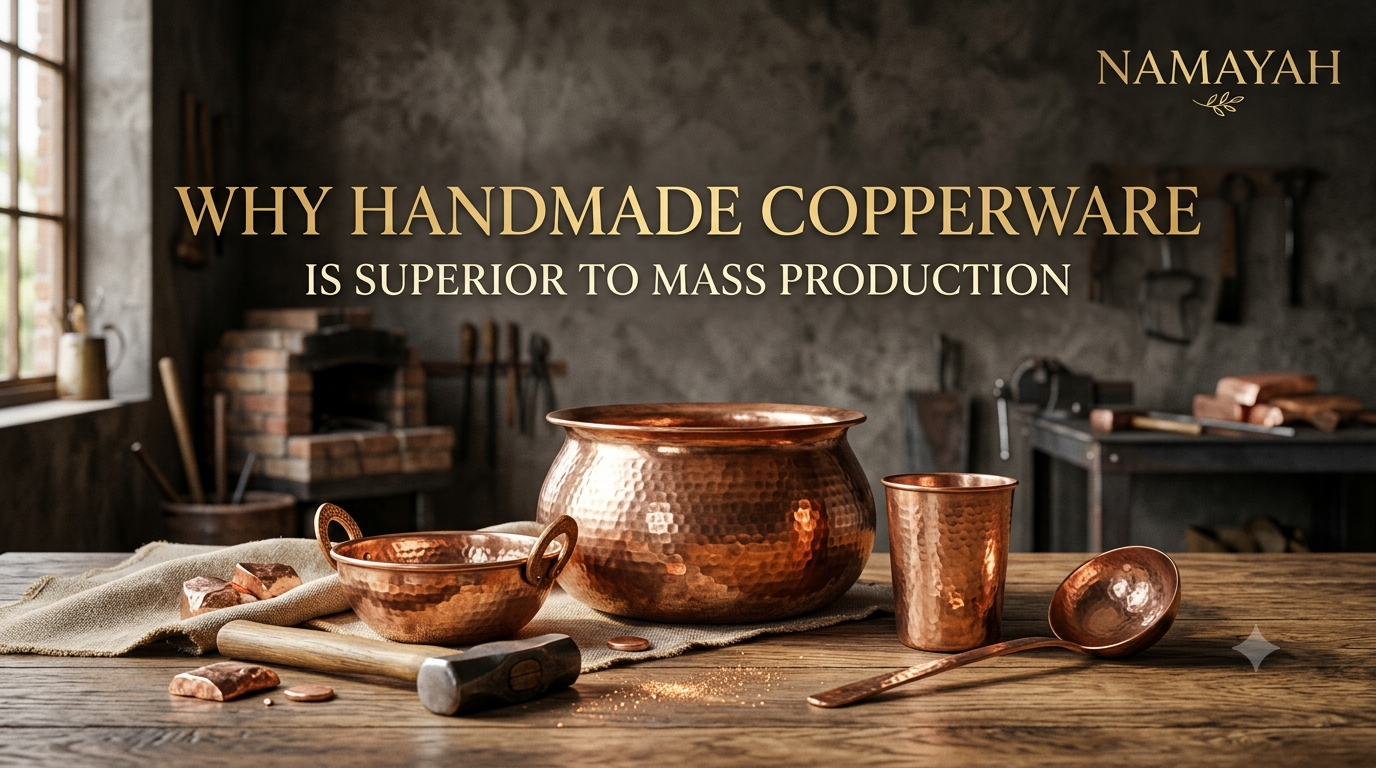
In today’s world of automated factories and mass-produced goods, handmade products have become symbols of authenticity, quality, and tradition. One product that perfectly demonstrates this difference is handmade copperware. Whether it’s a copper water bottle, cookware, serving tray, or decorative piece, handcrafted copper items offer unmatched value that factory-made alternatives simply cannot replicate.
The growing demand for sustainable living, healthier lifestyles, and unique home décor has brought renewed attention to artisan-made copper products. But what exactly makes handmade copperware superior to mass production?
This comprehensive guide explores the craftsmanship, health benefits, environmental advantages, and long-term value of handmade copperware while helping you understand why it remains a favorite among chefs, homeowners, collectors, and wellness enthusiasts.
The Rich Heritage of Handmade Copperware
Copper has been used for over 10,000 years across civilizations including Ancient Egypt, India, Greece, and Rome. Skilled artisans have passed down copperworking techniques through generations, preserving methods that combine artistry with functionality.
Unlike modern manufacturing lines, traditional copper crafting involves:
- Hand hammering
- Manual shaping
- Skilled polishing
- Precision finishing
- Individual quality inspection
Each handcrafted piece reflects decades of experience and cultural heritage.
What Is Mass-Produced Copperware?
Mass-produced copperware is manufactured using automated machinery that rapidly stamps, presses, molds, and finishes thousands of identical products every day.
Characteristics include:
- Machine-made designs
- Uniform appearance
- Lower production cost
- Faster manufacturing
- Limited artisan involvement
While these products are affordable, they often prioritize speed and cost reduction over craftsmanship and durability.
1. Superior Craftsmanship
The biggest difference lies in the craftsmanship.
Every handmade copper item receives individual attention throughout production. Skilled artisans carefully shape, hammer, smooth, and polish every surface until it reaches perfection.
Benefits include:
- Better finishing
- Stronger construction
- Precise detailing
- Fewer manufacturing defects
- Greater structural integrity
Machine production simply cannot replicate the subtle precision of experienced human hands.
2. Every Piece Is Unique
No two handmade copper products are exactly alike.
Small variations in hammer marks, texture, and finish make each piece one of a kind.
These natural differences are signs of authenticity rather than imperfections.
Mass-produced items, by contrast, are completely identical, offering little individuality or character.
3. Exceptional Durability
Handmade copperware generally lasts much longer.
Traditional hammering techniques strengthen the metal by work-hardening its surface.
Advantages include:
- Better resistance to dents
- Longer lifespan
- Improved structural strength
- Reduced risk of deformation
Many handcrafted copper vessels remain functional for decades—and even generations—with proper care.
4. Better Heat Conductivity for Cooking
Copper is already one of the best heat conductors available.
Handcrafted copper cookware often features:
- Even wall thickness
- Balanced construction
- Better heat distribution
- Faster temperature response
This allows chefs to:
- Cook evenly
- Prevent hot spots
- Improve energy efficiency
- Gain greater cooking precision
Professional kitchens continue to value quality copper cookware for these reasons.
5. Health Benefits of Pure Copper
One reason copperware remains popular is its association with traditional wellness practices.
When used appropriately, copper vessels may:
- Naturally inhibit certain bacteria on their surfaces.
- Store drinking water in accordance with traditional practices such as Ayurveda.
- Provide trace amounts of copper, an essential mineral, though most people obtain sufficient copper through a balanced diet.
These potential benefits depend on proper use, cleaning, and the purity of the copper. Copperware is not a substitute for medical treatment, and acidic foods should generally not be stored in unlined copper containers because they can react with the metal.
Mass-produced products made with lower-quality materials or coatings may not offer the same characteristics as well-crafted, high-purity copper items.
6. Environmentally Friendly Manufacturing
Handmade copperware supports sustainable production.
Compared to industrial factories:
| Handmade Production | Mass Production |
|---|---|
| Lower energy consumption | High energy usage |
| Less industrial waste | Large-scale waste |
| Minimal automation | Heavy machinery |
| Small carbon footprint | Higher emissions |
| Supports local communities | Large industrial supply chains |
Choosing handmade products contributes to more responsible consumption.
7. Supports Skilled Artisans
Buying handmade copperware directly supports traditional craftspeople.
Your purchase helps:
- Preserve ancient skills
- Support family businesses
- Create rural employment
- Encourage ethical production
- Protect cultural heritage
Instead of supporting anonymous factories, you’re investing in real people and their craftsmanship.
8. Higher Quality Materials
Artisans often use higher-grade copper and carefully select materials based on the intended use of each item.
Benefits include:
- Better purity
- Stronger metal
- Improved longevity
- More reliable performance
Mass production often seeks to reduce costs through thinner materials or faster manufacturing methods.
9. Beautiful Hand-Hammered Finish
One unmistakable hallmark of handmade copperware is its distinctive hammered texture.
These handcrafted patterns:
- Reflect light beautifully
- Add visual depth
- Highlight artisan skill
- Create luxurious aesthetics
Every hammer strike contributes to a product that feels both functional and artistic.
10. Timeless Aesthetic Appeal
Handmade copperware blends effortlessly into many interior styles:
- Rustic
- Traditional
- Modern
- Farmhouse
- Luxury kitchens
- Vintage décor
As copper naturally develops a patina over time, many people appreciate the evolving appearance, while others choose to polish it to maintain a bright finish.
11. Long-Term Value
Although handmade copperware typically costs more upfront, its longevity can make it a worthwhile investment.
Consider:
- Fewer replacements
- Better durability
- Enduring style
- Potential to become heirloom pieces
Rather than buying inexpensive items repeatedly, a well-made handcrafted piece can provide years—or even decades—of service.
12. A Meaningful Gift
Handmade copperware makes memorable gifts for occasions such as weddings, anniversaries, housewarmings, or festivals.
Popular options include:
- Copper water bottles
- Serving bowls
- Mugs
- Decorative trays
- Kitchen utensils
- Tea sets
Because each item is unique, it carries a personal touch that factory-made gifts often lack.
Handmade vs. Mass-Produced Copperware: A Quick Comparison
| Feature | Handmade Copperware | Mass-Produced Copperware |
|---|---|---|
| Craftsmanship | Individually crafted | Machine manufactured |
| Uniqueness | Every piece differs | Identical products |
| Durability | Excellent | Moderate |
| Appearance | Artistic | Uniform |
| Environmental Impact | Lower | Higher |
| Artisan Support | Yes | Limited |
| Long-Term Value | High | Moderate |
| Character | Distinctive | Standardized |
How to Identify Genuine Handmade Copperware
Look for these signs:
- Visible yet consistent hammer marks
- Slight variations in shape or texture
- Smooth hand-polished finish
- Noticeable weight and sturdy construction
- Information about the artisan or workshop
- Transparent details about material composition
Buying from reputable sellers helps ensure authenticity.
Caring for Handmade Copperware
Proper maintenance extends the life and beauty of copperware.
Tips include:
- Wash by hand with mild soap.
- Dry immediately to reduce water spots.
- Avoid abrasive scrubbers that may scratch the surface.
- Polish occasionally if you prefer a bright finish.
- Follow the manufacturer’s instructions, especially for lined cookware.
- Avoid prolonged contact between bare copper and acidic foods unless the item is specifically designed for that use.
With routine care, handcrafted copper pieces can remain beautiful for many years.
Frequently Asked Questions (FAQs)
1. Is handmade copperware worth the higher price?
For many buyers, yes. Handmade copperware often offers superior craftsmanship, durability, and uniqueness, making it a long-lasting investment.
2. Does handmade copperware last longer?
With proper care, handcrafted copperware can last for decades and, in some cases, become family heirlooms.
3. Is handmade copper cookware better than machine-made cookware?
High-quality handmade cookware often provides excellent heat distribution and craftsmanship. The best choice also depends on the design, lining, and intended cooking use.
4. Why do handmade copper items have hammer marks?
Hammer marks are created during the shaping process and are a hallmark of traditional craftsmanship, giving each piece its distinctive appearance.
5. Is copper environmentally friendly?
Copper is highly recyclable, and handmade production generally uses less energy than large-scale industrial manufacturing, making it a more sustainable option in many cases.
6. How can I tell if copperware is handmade?
Look for subtle variations, hand-hammered textures, careful finishing, and information about the artisan or workshop. Handmade items rarely appear perfectly identical.
Conclusion
Handmade copperware stands apart because it combines traditional craftsmanship, durability, aesthetic appeal, and cultural heritage in ways that mass-produced alternatives often cannot. While factory-made products emphasize speed and uniformity, handcrafted copper pieces celebrate the skill of artisans and the individuality of every creation.
Whether you’re selecting cookware, drinkware, or decorative pieces, investing in handmade copperware means choosing quality, supporting traditional craftsmanship, and owning something with lasting character. With proper care, these pieces can serve your home for years while reflecting the timeless beauty of a material that has been valued for thousands of years.
For more information on copper and its properties, you can explore the Copper Development Association.