
Copperware Buying Guide: What Every Buyer Should Know
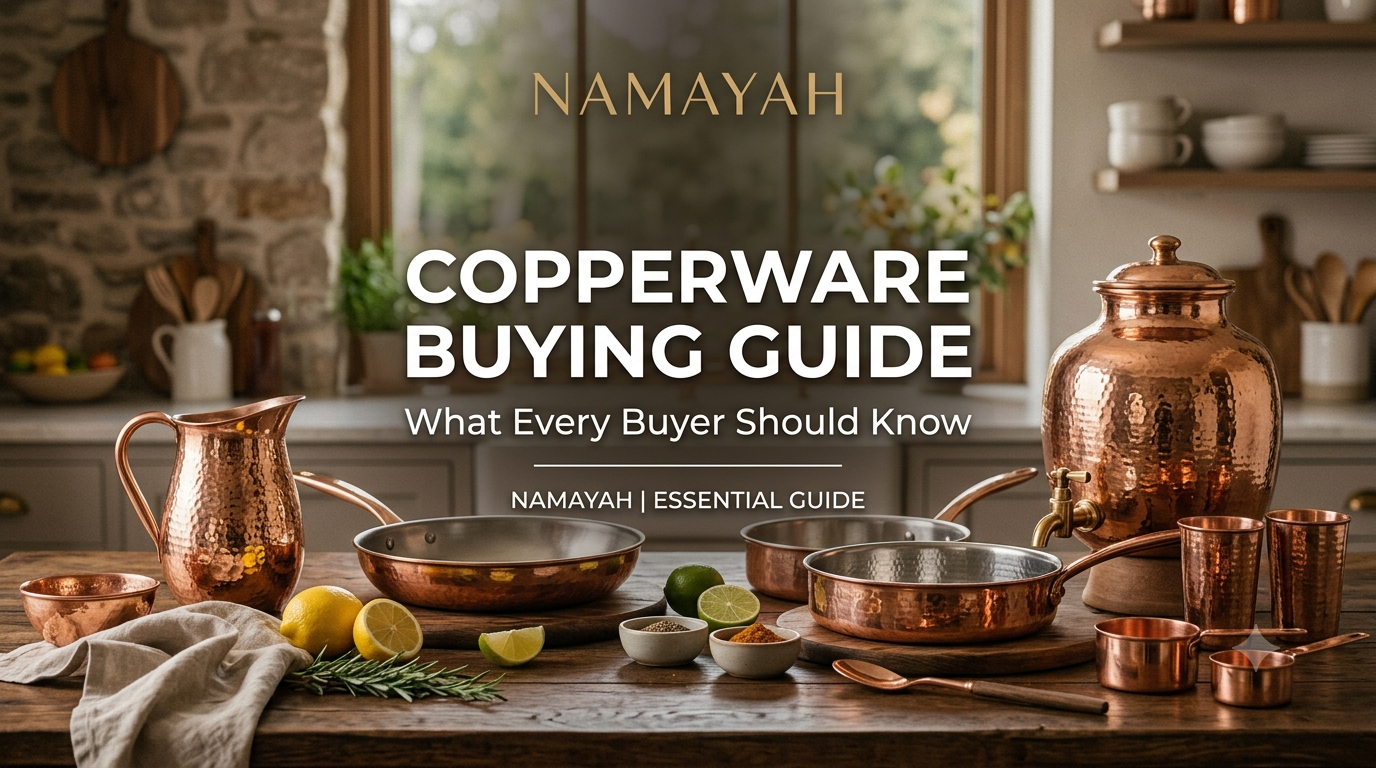
Introduction to Copperware
Copper has been valued for thousands of years because of its beauty, durability, and exceptional performance. Today, copperware continues to be a favorite choice for professional chefs, homeowners, and collectors alike. Whether you’re buying cookware, drinkware, or decorative pieces, understanding the differences between products can save you money and help you make a purchase that lasts for decades.
This Copperware Buying Guide: What Every Buyer Should Know explains everything from identifying genuine copper products to understanding maintenance requirements and choosing the right item for your needs.
Why Copperware Has Remained Popular
Copper remains one of the most respected materials in kitchens around the world. Its ability to conduct heat quickly and evenly makes it ideal for cooking delicate sauces, chocolates, and foods that require precise temperature control.
Beyond cooking, copper is admired for its timeless appearance. The warm metallic finish complements both modern and traditional interiors. Over time, copper develops a natural patina that many people find attractive, while others prefer to polish it regularly to maintain its original shine.
Another reason copperware remains popular is its longevity. Well-made copper products can last for generations when cared for properly, making them a worthwhile investment rather than a disposable purchase.
Different Types of Copperware
Copper Cookware
Copper cookware includes frying pans, saucepans, stockpots, sauté pans, roasting pans, and specialty cooking vessels. Premium cookware is often lined with stainless steel or tin because acidic foods can react with bare copper.
Professional chefs frequently prefer copper cookware because it offers outstanding temperature control and minimizes hot spots.
Copper Drinkware
Copper mugs, water bottles, tumblers, and pitchers are increasingly popular. Many people enjoy them for their distinctive appearance and traditional uses. When purchasing drinkware, always verify whether the product is made from solid copper or features a food-safe lining, depending on its intended purpose.
Copper Home Décor
Copper is widely used for decorative bowls, planters, lamps, wall art, vases, and serving trays. These products combine functionality with classic elegance and often become statement pieces in homes.
Understanding Pure Copper vs. Copper-Plated Products
One of the biggest mistakes buyers make is confusing pure copper with copper-plated products.
Pure Copper
- Made almost entirely of copper.
- Excellent heat conductivity.
- Higher price.
- Develops a natural patina over time.
- Longer lifespan with proper care.
Copper-Plated Products
- Base metal coated with a thin copper layer.
- More affordable.
- Primarily decorative.
- May lose its finish over years of use.
- Less effective for cooking applications.
If you’re investing in cookware, solid copper with a stainless-steel or tin lining is generally the preferred choice. Decorative items, however, may perform perfectly well with copper plating.
How to Identify High-Quality Copperware
Buying quality copperware requires careful inspection.
Thickness Matters
Thicker copper distributes heat more evenly and resists warping. High-end cookware often uses copper that is around 2–3 mm thick, providing excellent cooking performance.
Inspect the Craftsmanship
Look for:
- Smooth edges
- Strong rivets
- Even polishing
- Secure handles
- Uniform construction
Handcrafted copperware often displays exceptional attention to detail and can offer greater durability.
Check the Interior Lining
Most quality copper cookware features:
- Stainless steel lining for durability and easy maintenance.
- Tin lining for excellent cooking performance, though it may require occasional re-tinning after years of heavy use.
A properly bonded lining improves both safety and usability.
Health Benefits and Safety Considerations
Copper is an essential trace mineral, but cookware should be used appropriately. Unlined copper can react with highly acidic foods such as tomatoes, citrus fruits, and vinegar, potentially affecting flavor and increasing copper transfer. For everyday cooking, lined copper cookware is generally the safest and most practical option.
If purchasing copper water bottles or mugs, follow the manufacturer’s care instructions and avoid storing acidic beverages unless the product is specifically designed for them.
For additional food-safety guidance, consult reputable resources such as the U.S. Food & Drug Administration: https://www.fda.gov
Advantages of Copperware
Some of the biggest advantages include:
- Outstanding heat conductivity
- Precise temperature control
- Elegant appearance
- Exceptional durability
- Long-term value
- Timeless craftsmanship
- Potential to become family heirlooms
These qualities explain why copper continues to be a premium choice despite its higher upfront cost.
Potential Drawbacks of Copperware
Although copperware offers numerous benefits, it is important to understand its limitations before making a purchase.
Higher Initial Cost
Premium copper cookware is more expensive than stainless steel or aluminum alternatives. However, its durability and cooking performance often justify the investment over the long term.
Requires Regular Maintenance
Copper naturally oxidizes when exposed to air and moisture. This results in a darker appearance known as a patina. While many people appreciate this aged look, others prefer to maintain the original shine through regular polishing.
Not Dishwasher Safe
Most copper products should be washed by hand. Dishwashers can damage the finish and reduce the lifespan of the item.
Reactive with Acidic Foods
Unlined copper cookware should never be used for cooking acidic ingredients like tomatoes, vinegar, wine, or citrus fruits. Choose lined cookware if you plan to prepare a wide variety of meals.
How to Maintain Copperware
Proper care ensures that copperware remains beautiful and functional for decades.
Daily Cleaning
After each use:
- Wash with warm water and mild dish soap.
- Use a soft sponge rather than abrasive scrubbers.
- Dry immediately with a soft towel to prevent water spots.
Removing Tarnish Naturally
A simple homemade cleaning solution works well:
- Lemon juice
- White vinegar
- Fine salt
Apply the mixture gently using a soft cloth, rinse thoroughly, and dry completely. This method helps restore copper’s natural shine without harsh chemicals.
Storage Tips
To avoid scratches and dents:
- Store cookware with protective liners between stacked pans.
- Keep decorative copper items in a dry environment.
- Avoid prolonged exposure to excessive humidity.
Professional Re-Tinning
Traditional tin-lined cookware may eventually require re-tinning after years of heavy use. This process restores the protective interior lining and extends the cookware’s lifespan.
Copperware Buying Guide Checklist
Use this checklist before purchasing any copper product.
| Feature | What to Look For |
|---|---|
| Material | Solid copper whenever possible |
| Thickness | Around 2–3 mm for cookware |
| Interior | Stainless steel or tin lining |
| Weight | Feels substantial and well-balanced |
| Handles | Securely riveted for durability |
| Finish | Smooth, even, and free from defects |
| Brand Reputation | Positive customer reviews and warranties |
| Purpose | Match the product to your intended use |
Taking a few extra minutes to inspect these features can help you avoid low-quality products and ensure excellent value.
Common Mistakes Buyers Make
Many first-time buyers unknowingly choose the wrong product. Avoid these common mistakes:
Buying Based Only on Appearance
A polished finish does not necessarily indicate superior quality. Always check the construction, thickness, and lining.
Ignoring the Interior Material
The interior lining significantly affects cooking performance and safety.
Choosing Extremely Thin Copper
Thin copper may warp more easily and provide uneven heating.
Not Considering Maintenance
Copper requires more care than some other materials. If you prefer minimal maintenance, stainless-steel-lined copper cookware may be the better choice.
Overlooking Authenticity
Verify whether the product is solid copper or merely copper-plated before making your purchase.
Frequently Asked Questions
1. Is copper cookware worth the investment?
Yes. High-quality copper cookware offers outstanding heat control, exceptional durability, and timeless appeal. For serious home cooks and professionals, it is often considered one of the best long-term investments.
2. How can I tell if copperware is genuine?
Check the product description, weight, thickness, and manufacturer information. Genuine copper is typically heavier and develops a natural patina over time.
3. Can copper cookware be used on induction cooktops?
Most traditional copper cookware is not induction-compatible unless it includes a magnetic stainless-steel base specifically designed for induction cooking.
4. Is it safe to drink water from copper bottles?
Copper water bottles are widely used, but they should be maintained according to the manufacturer’s instructions. Avoid storing acidic beverages unless the bottle is designed for that purpose.
5. How often should copper cookware be polished?
This depends on your preference. Some owners polish monthly to maintain a bright finish, while others appreciate the natural patina that develops over time.
6. Which interior lining is better—tin or stainless steel?
Both have advantages. Stainless steel is more durable and easier to maintain, while tin provides excellent cooking performance but may require re-tinning after many years of use.
Conclusion
Choosing the right copperware requires more than simply selecting the most attractive product. Understanding the difference between solid copper and copper-plated items, evaluating thickness and craftsmanship, checking for a quality interior lining, and planning for regular maintenance are all essential steps toward making a smart purchase.
This Copperware Buying Guide: What Every Buyer Should Know highlights the key factors every buyer should consider before investing in copper cookware, drinkware, or decorative pieces. By focusing on quality rather than price alone, you can enjoy products that deliver excellent performance, timeless beauty, and lasting value for years to come.
Whether you are equipping a professional kitchen, upgrading your home cookware, or searching for a meaningful gift, well-crafted copperware remains one of the finest choices available. With proper care and informed purchasing decisions, your investment can serve you—and future generations—with style, reliability, and exceptional functionality.