
The Heritage and Legacy of Indian Brass Artisans
Introduction
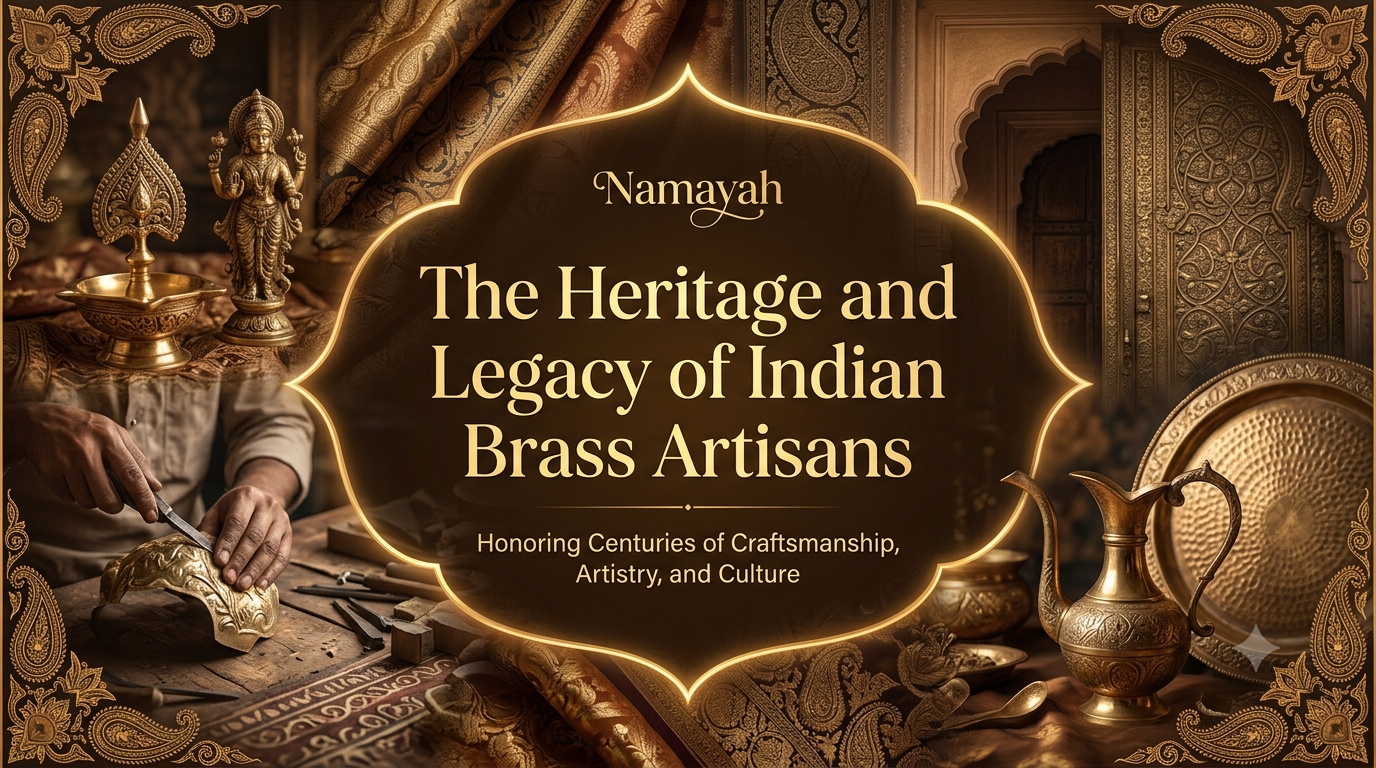
The Heritage and Legacy of Indian Brass Artisans reflects centuries of exceptional craftsmanship, cultural pride, and artistic excellence. Across India, brass artisans have transformed simple metal into intricate masterpieces that decorate homes, temples, palaces, and museums around the world. Their work represents more than decorative objects—it tells stories of tradition, spirituality, and community.
Despite technological advancements and changing consumer preferences, Indian brass artisans continue to preserve age-old techniques passed down through generations. Today, their craft stands at the intersection of heritage and innovation, attracting collectors, interior designers, and cultural enthusiasts worldwide.
A Brief History of Indian Brass Craftsmanship
Brassworking in India dates back over 4,000 years, with evidence found in the Indus Valley Civilization. Ancient craftsmen mastered the art of alloying copper and zinc to create durable and beautiful objects.
Throughout history, various dynasties—including the Mauryas, Guptas, Cholas, Mughals, and Rajputs—encouraged brass craftsmanship by commissioning decorative items, temple artifacts, and ceremonial objects.
Over time, regional styles evolved, giving every brass-producing community its own distinctive identity.
Why Brass Became an Important Material in Indian Culture
Brass has always held special significance because it combines beauty with practicality.
Some reasons for its popularity include:
- Long-lasting durability
- Natural resistance to corrosion
- Attractive golden appearance
- Ease of engraving and casting
- Religious and ceremonial importance
- Recyclability and sustainability
Many Indian households continue to use brass utensils, lamps, bells, and idols during festivals and religious ceremonies.
Famous Brass Craft Clusters Across India
Several regions have earned worldwide recognition for their outstanding brass craftsmanship.
Moradabad, Uttar Pradesh
Often called the “Brass City of India,” Moradabad exports handcrafted brass products to more than 100 countries. Its artisans specialize in home décor, lighting, tableware, and luxury accessories.
Jagadhri, Haryana
Jagadhri has been producing brass utensils for centuries. The city remains a major manufacturing hub for cookware and traditional household items.
Mannar, Kerala
Kerala’s brass artisans create elegant temple lamps, ritual vessels, bells, and decorative sculptures using techniques that have survived for generations.
Swamimalai, Tamil Nadu
Known primarily for bronze casting, Swamimalai artisans also produce exquisite brass sculptures inspired by classical Indian iconography.
Assam and West Bengal
These regions contribute unique tribal and folk-inspired brass artifacts, reflecting local customs and artistic traditions.
Traditional Techniques Passed Through Generations
The remarkable quality of Indian brass products comes from handcrafted techniques that require years of training.
Some of the most important methods include:
Sand Casting
Molten brass is poured into carefully prepared sand molds to create complex shapes.
Lost-Wax Casting
An ancient technique used for intricate sculptures and religious idols with exceptional detail.
Hand Engraving
Skilled artisans carve delicate floral, geometric, and mythological patterns using simple hand tools.
Hammering
Repeated hammering strengthens the metal while creating beautiful textures.
Polishing
Traditional polishing methods bring out brass’s distinctive golden shine without compromising its craftsmanship.
Cultural and Religious Importance
Brass plays an essential role in Indian religious life.
Common brass items include:
- Temple bells
- Oil lamps (Diyas)
- Pooja thalis
- Idols of Hindu deities
- Kalash vessels
- Ritual utensils
These objects symbolize purity, prosperity, and positive energy.
Many families preserve brass heirlooms that have been passed down for generations.
The Artistic Value of Brass Handicrafts
Indian brass products combine utility with artistic expression.
Popular handcrafted items include:
| Product | Purpose |
|---|---|
| Decorative lamps | Home décor and worship |
| Figurines | Religious and artistic display |
| Wall hangings | Interior decoration |
| Bowls and trays | Serving and gifting |
| Candle holders | Contemporary décor |
| Animal sculptures | Cultural symbolism |
| Antique reproductions | Heritage collections |
Each handcrafted piece carries subtle variations that make it unique.
Challenges Faced by Indian Brass Artisans
Although admired globally, many artisans face significant challenges.
These include:
- Competition from machine-made products
- Rising raw material costs
- Limited access to international markets
- Declining interest among younger generations
- Inconsistent income
- Lack of digital marketing knowledge
Preserving these traditional skills requires both economic support and public appreciation.
Government and Institutional Support
Several initiatives help sustain India’s brass industry.
Support includes:
- Handicraft development programs
- Skill training workshops
- Export promotion councils
- GI (Geographical Indication) recognition for regional crafts
- Participation in international trade fairs
- Financial assistance for artisan cooperatives
Organizations such as the Development Commissioner (Handicrafts) continue to promote Indian handicrafts globally.
Learn more at: https://handicrafts.nic.in
Sustainability and Brass Craft
Brass is one of the most environmentally friendly metals because it can be recycled repeatedly without losing quality.
Traditional workshops also rely heavily on manual craftsmanship, reducing energy consumption compared to large-scale industrial manufacturing.
Supporting handmade brass products encourages sustainable consumption while preserving cultural heritage.
The Modern Revival of Brass Art
Interior designers and architects increasingly incorporate handcrafted brass pieces into modern homes.
Current trends include:
- Minimalist brass lighting
- Designer tableware
- Contemporary wall art
- Luxury hotel décor
- Boutique furniture accents
- Sustainable home accessories
This renewed interest provides fresh opportunities for traditional artisans.
How Consumers Can Support Indian Brass Artisans
Every purchase contributes to preserving a centuries-old tradition.
Consumers can help by:
- Buying authentic handmade products
- Supporting artisan cooperatives
- Shopping from fair-trade organizations
- Learning about regional craftsmanship
- Sharing artisan stories on social media
- Choosing handmade over mass-produced décor
Thoughtful purchasing decisions create lasting economic benefits for artisan communities.
Frequently Asked Questions
1. Why is Indian brass craftsmanship famous?
Indian brass craftsmanship is renowned for its intricate designs, exceptional durability, and centuries-old techniques passed down through generations.
2. Which city is known as the Brass City of India?
Moradabad in Uttar Pradesh is widely recognized as the Brass City of India due to its large-scale production and exports.
3. Is brass environmentally friendly?
Yes. Brass is highly recyclable and can be reused multiple times without significant loss of quality.
4. How are traditional brass items made?
Most handcrafted brass products are created using casting, engraving, hammering, polishing, and detailed finishing techniques.
5. Why is brass used in religious ceremonies?
Brass is considered auspicious in Indian culture and is commonly used for lamps, idols, bells, and ritual vessels because of its symbolic association with purity and prosperity.
6. How can I identify authentic handmade brass products?
Authentic handmade brass items often display slight variations, intricate hand-finished details, and craftsmanship that distinguish them from machine-made products.
Conclusion
The Heritage and Legacy of Indian Brass Artisans is a remarkable story of resilience, creativity, and cultural continuity. For thousands of years, these skilled craftsmen have transformed metal into timeless works of art that enrich homes, temples, and public spaces. While modern challenges threaten traditional livelihoods, growing appreciation for sustainable, handmade products offers renewed hope.
By supporting authentic brass craftsmanship, consumers not only acquire beautiful, lasting creations but also help preserve one of India’s most treasured artistic traditions for future generations.