
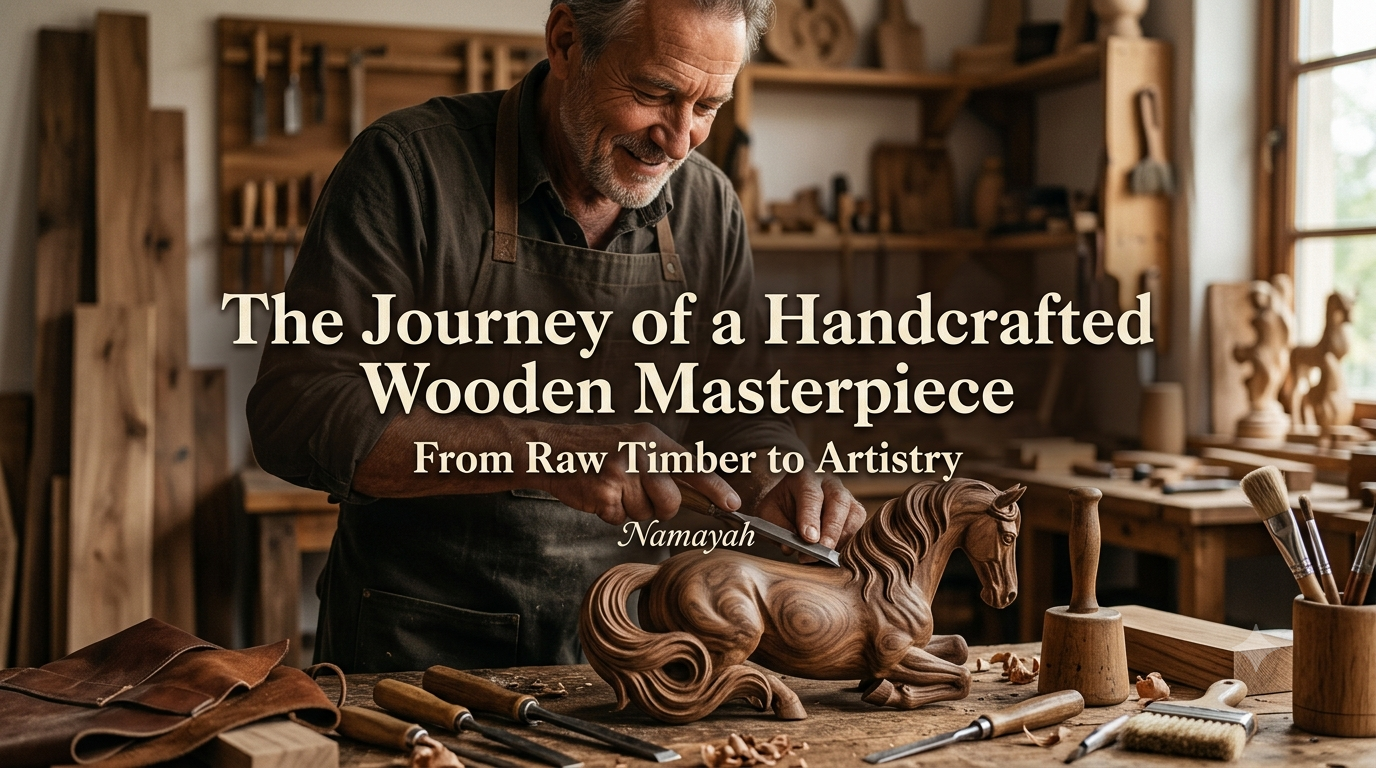
The Journey of a Handcrafted Wooden Masterpiece
Introduction
The Journey of a Handcrafted Wooden Masterpiece is much more than a manufacturing process—it is a story of creativity, patience, tradition, and craftsmanship. Every handcrafted wooden item begins as a living tree and evolves through careful planning, skilled workmanship, and countless hours of dedication before becoming a treasured piece of furniture or décor.
Unlike mass-produced products, handcrafted wooden creations reflect the personality of the artisan who makes them. Every grain, knot, and curve tells a unique story that cannot be replicated by machines. Whether it is a dining table, cabinet, rocking chair, sculpture, or decorative bowl, each masterpiece combines beauty with functionality.
Today, handcrafted wooden products continue to gain popularity because people appreciate authentic craftsmanship, sustainability, and long-lasting quality. This article explores every stage of this remarkable journey.
What Makes a Handcrafted Wooden Masterpiece Special?
A handcrafted wooden masterpiece stands apart because every detail is carefully shaped by human hands rather than automated machinery. Skilled artisans invest years mastering techniques that allow them to transform ordinary timber into extraordinary creations.
Art Meets Function
A handcrafted piece is both practical and artistic. Beyond serving a purpose, it enhances the atmosphere of a home or workplace through its natural beauty.
Benefits include:
- Unique appearance
- Exceptional durability
- Timeless elegance
- Greater attention to detail
- Personal character
The Value of Handmade Craftsmanship
Handmade woodworking celebrates tradition. Many woodworking skills have been passed through generations, preserving techniques that modern manufacturing often overlooks.
Customers are investing not only in furniture but also in craftsmanship, heritage, and individuality.
Selecting the Perfect Wood
Every masterpiece begins with selecting the right timber. Different wood species offer unique colors, textures, strengths, and grain patterns.
Hardwood vs. Softwood
| Hardwood | Softwood |
| Oak | Pine |
| Walnut | Cedar |
| Maple | Fir |
| Cherry | Spruce |
Hardwoods are generally chosen for premium furniture because of their strength and longevity, while softwoods are often used for decorative or lightweight projects.
Sustainable Sourcing
Responsible artisans prioritize timber harvested from sustainably managed forests. Sustainable forestry protects ecosystems while ensuring future generations can continue enjoying natural resources.
Choosing certified wood also helps reduce environmental impact and supports ethical forestry practices.
Designing the Masterpiece
Before the first cut is made, artisans carefully develop a design that balances aesthetics, functionality, and structural integrity.
Some rely on hand-drawn sketches while others use digital design software to visualize every detail.
Important design considerations include:
- Intended purpose
- Available space
- Customer preferences
- Wood characteristics
- Construction techniques
Good design ensures beauty never compromises durability.
Preparing the Timber
Freshly cut wood contains moisture that must be removed before crafting begins.
Drying and Seasoning
Proper seasoning prevents:
- Cracking
- Warping
- Shrinking
- Twisting
Many artisans carefully monitor moisture content before starting construction to ensure lasting stability.
Cutting and Shaping
Once seasoned, the timber is cut into precise dimensions. Each cut must respect the natural grain to maximize both beauty and strength.
Even at this early stage, experienced woodworkers visualize how each piece will fit into the final masterpiece.
Traditional Craftsmanship Techniques
Handcrafted woodworking is defined by techniques refined over centuries.
Joinery
Rather than depending entirely on screws or nails, artisans often use traditional joints such as:
- Mortise and tenon
- Dovetail
- Finger joints
- Lap joints
These methods improve both appearance and structural integrity.
Hand Carving
Decorative carving transforms functional furniture into art. Floral motifs, geometric patterns, and custom engravings add individuality that machines rarely replicate with the same warmth.
Sanding and Surface Preparation
Sanding may appear simple, but it is one of the most important steps.
Artisans gradually move through increasingly finer grits until the surface becomes perfectly smooth. Proper sanding enhances stain absorption and allows the natural grain to shine.
Careful preparation creates the foundation for a flawless finish.
Applying Finishes
Finishing protects the wood while enhancing its natural beauty.
Common finishes include:
- Natural oils
- Wax
- Lacquer
- Polyurethane
- Hardwax oil
The choice depends on the intended use and desired appearance. A dining table may require a durable protective coating, while decorative pieces often benefit from oils that emphasize the wood’s natural texture.
Quality Inspection
Before delivery, every handcrafted wooden masterpiece undergoes a thorough inspection.
Artisans examine:
- Structural stability
- Surface smoothness
- Joint strength
- Finish consistency
- Overall appearance
Minor imperfections are corrected to ensure the final product reflects the highest standards of craftsmanship.
Caring for a Handcrafted Wooden Masterpiece
Proper maintenance helps handcrafted wood remain beautiful for decades.
Best practices include:
- Dust regularly with a soft cloth.
- Clean spills immediately.
- Avoid prolonged exposure to direct sunlight.
- Maintain stable indoor humidity.
- Reapply protective finishes when recommended.
- Use coasters and protective pads.
With thoughtful care, handcrafted wooden furniture often becomes a cherished family heirloom.
Environmental Benefits
Handcrafted woodworking can support sustainability in several ways:
- Reduced mass production waste
- Longer product lifespan
- Renewable raw materials
- Repairable construction
- Lower replacement frequency
When responsibly sourced timber is used, handcrafted wooden products can be an environmentally conscious choice.
For more information about responsible forestry, visit the Forest Stewardship Council at https://fsc.org.
Frequently Asked Questions
1. Why are handcrafted wooden products more expensive?
They require skilled labor, premium materials, and significant time, resulting in superior quality and uniqueness.
2. How long does handcrafted furniture last?
With proper care, many handcrafted wooden pieces can last for generations.
3. Which wood species is best for furniture?
Oak, walnut, maple, and cherry are among the most popular due to their durability and attractive grain patterns.
4. Are handcrafted wooden products environmentally friendly?
Yes, especially when made from responsibly sourced timber and built for long-term use.
5. Can handcrafted furniture be customized?
Absolutely. One of the greatest advantages of handcrafted woodworking is the ability to tailor dimensions, finishes, and design details to individual preferences.
6. How should I maintain wooden furniture?
Keep it clean, avoid excessive moisture and heat, protect it from scratches, and periodically refresh the finish according to the manufacturer’s recommendations.
Conclusion
The Journey of a Handcrafted Wooden Masterpiece is a celebration of patience, creativity, and skilled craftsmanship. From selecting sustainably sourced timber to applying the final protective finish, every stage reflects dedication to quality and artistry. Unlike mass-produced alternatives, handcrafted wooden creations possess unique character, lasting durability, and emotional value that often grows over time.
Choosing handcrafted wood products means investing in timeless design, supporting traditional craftsmanship, and appreciating the beauty of natural materials. Whether displayed as functional furniture or artistic décor, these masterpieces connect people with the enduring legacy of woodworking and remind us that true quality is created one careful step at a time.