
How Indian Wooden Crafts Are Winning Global Recognition
Introduction to Indian Wooden Crafts
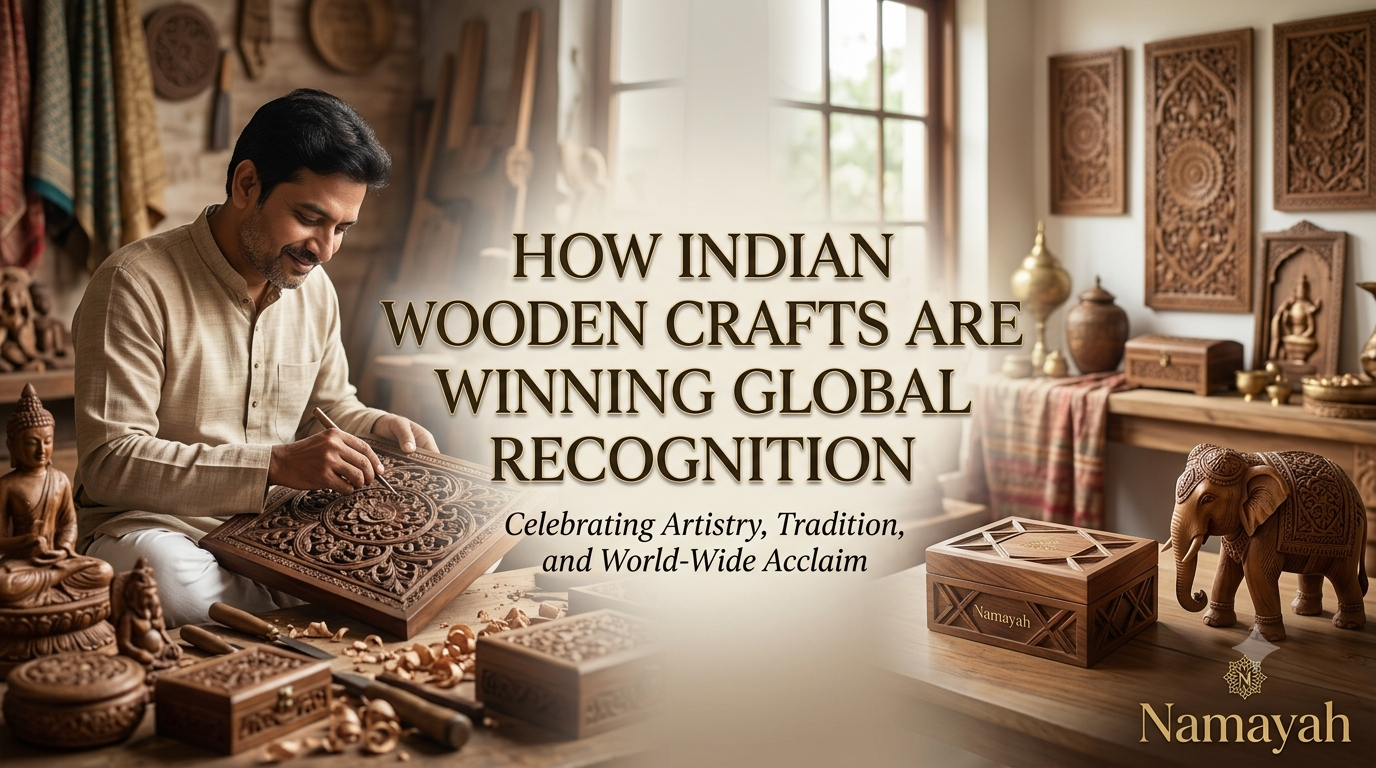
India has long been admired for its extraordinary handicrafts, and wooden craftsmanship stands among its finest artistic traditions. From beautifully carved furniture to intricate decorative pieces and colorful toys, Indian wooden crafts showcase centuries of cultural heritage, artistic excellence, and remarkable craftsmanship.
In recent years, How Indian Wooden Crafts Are Winning Global Recognition has become an inspiring story of tradition meeting modern demand. Consumers worldwide increasingly appreciate handcrafted, sustainable, and authentic products, making Indian wooden crafts highly desirable in international markets.
Growing awareness of eco-friendly living, appreciation for handmade products, and expanding online marketplaces have opened new opportunities for Indian artisans. Today, handcrafted wooden products from India are being exported to North America, Europe, Australia, the Middle East, and many Asian countries.
The Rich History of Wooden Craftsmanship in India
Woodworking has existed in India for thousands of years. Ancient Indian civilizations used wood to create temples, homes, furniture, sculptures, and everyday tools. Although wood naturally deteriorates over time, historical texts and surviving artifacts demonstrate the sophistication of India’s woodworking traditions.
Ancient Origins
References in ancient scriptures such as the Vedas and epics like the Mahabharata mention elaborate wooden architecture and furniture. Skilled artisans developed specialized carving techniques that were passed from generation to generation.
Wood became an essential material because it was widely available and relatively easy to shape into artistic forms. Different regions developed distinct carving styles depending on local tree species and cultural influences.
Evolution Through Different Dynasties
Over centuries, Indian woodworking evolved under various kingdoms and empires.
The Mauryas encouraged decorative architecture.
The Cholas introduced detailed temple carvings.
The Mughals blended Persian floral designs with Indian craftsmanship.
British colonial influence later introduced new furniture styles that merged traditional Indian carving with European designs.
Today, these historical influences continue to shape modern Indian wooden handicrafts.
Major Wooden Craft Clusters in India
India’s diversity has given rise to several famous woodworking centers, each with its own signature style.
Saharanpur Wood Carving
Located in Uttar Pradesh, Saharanpur is internationally recognized for its intricate floral carvings on sheesham and mango wood. Artisans create furniture, home décor, screens, boxes, and decorative panels that are exported across the world.
Channapatna Toys
Known as the “Toy Town of India,” Channapatna in Karnataka produces brightly colored wooden toys made using traditional lac-turnery techniques. These toys are crafted with natural dyes and are popular among parents seeking safe, eco-friendly alternatives to plastic toys.
Kashmir Walnut Wood Carving
Kashmir is renowned for exquisite walnut wood carvings. Skilled craftsmen produce elegant furniture, trays, jewelry boxes, and decorative items featuring intricate floral and geometric patterns. These products are prized for both their beauty and durability.
Kondapalli Wooden Toys
Originating from Andhra Pradesh, Kondapalli toys are handcrafted from softwood and depict scenes from rural life, mythology, and traditional festivals. Their vibrant colors and cultural themes make them popular collectibles around the world.
What Makes Indian Wooden Crafts Unique?
Several factors distinguish Indian wooden handicrafts from mass-produced products.
Exceptional Craftsmanship
Indian artisans spend years mastering carving, turning, polishing, engraving, and finishing techniques. Many skills are preserved within families and passed down through generations.
Each handmade product carries slight variations that enhance its uniqueness and authenticity.
Traditional Techniques
Many artisans continue using centuries-old hand tools instead of fully automated machinery. This preserves the artistic value and individuality of every piece.
Traditional polishing methods, natural oils, and handcrafted detailing contribute to premium quality.
Sustainable Materials
Sustainability has become a major reason behind How Indian Wooden Crafts Are Winning Global Recognition.
Many workshops use responsibly sourced wood such as sheesham, mango wood, teak, and reclaimed timber. Natural finishes and eco-friendly production methods further appeal to environmentally conscious buyers.
Growing Global Demand for Indian Wooden Crafts
The international market for handcrafted home décor and artisanal products has expanded significantly over the past decade. Buyers are increasingly looking for items that tell a story, support traditional craftsmanship, and offer an alternative to factory-made goods. This shift has played a major role in How Indian Wooden Crafts Are Winning Global Recognition.
Consumers today value products that combine functionality with artistry. Hand-carved furniture, decorative wall panels, serving trays, sculptures, candle holders, and wooden toys from India meet these expectations while reflecting rich cultural traditions.
Several factors are driving this demand:
- Growing preference for handmade and authentic products
- Increased awareness of sustainable living
- Rising popularity of bohemian, rustic, and traditional interior design styles
- Interest in cultural and heritage-inspired home décor
- Greater accessibility through online marketplaces
As a result, Indian wooden crafts have become a preferred choice for homeowners, interior designers, gift buyers, and collectors worldwide.
Export Trends
India exports a wide variety of wooden handicrafts to countries across the globe. Products such as carved furniture, decorative accessories, kitchenware, toys, and religious artifacts are among the most sought-after.
Key factors supporting export growth include:
| Factor | Impact |
|---|---|
| Skilled craftsmanship | Creates premium products with high artistic value |
| Competitive pricing | Offers excellent value compared to many global competitors |
| Diverse product range | Appeals to different customer preferences |
| Sustainable production | Attracts environmentally conscious buyers |
| Government support | Encourages exports through various promotional initiatives |
Many exporters also customize products to suit international tastes while preserving traditional Indian artistry.
Major International Markets
Indian wooden handicrafts enjoy strong demand in several regions, including:
- United States
- Canada
- United Kingdom
- Germany
- France
- Australia
- United Arab Emirates
- Japan
- Singapore
These markets appreciate handcrafted products that combine durability, beauty, and cultural authenticity.
Role of E-commerce in Global Recognition
Digital commerce has transformed the handicraft industry by connecting artisans and businesses directly with international customers.
Online marketplaces and dedicated handicraft websites allow small manufacturers and artisan groups to showcase their products to a global audience without relying solely on traditional export channels.
Benefits of e-commerce include:
- Wider international reach
- Lower marketing costs
- Direct customer feedback
- Better product visibility
- Opportunities for custom orders
Social media platforms also play a vital role. High-quality photographs, behind-the-scenes videos, and artisan stories help build trust and create emotional connections with buyers.
By sharing the craftsmanship behind each product, sellers can highlight the uniqueness of handmade wooden items and distinguish them from mass-produced alternatives.
Government Support and Initiatives
The Indian government has introduced several measures to promote handicrafts and support artisans.
These initiatives focus on improving product quality, expanding market access, providing skill development, and encouraging exports.
Some important areas of support include:
Skill Development
Training programs help artisans learn modern production methods, quality standards, and business management while preserving traditional skills.
Market Promotion
Participation in international trade fairs, exhibitions, and buyer-seller meets enables artisans and exporters to connect with overseas customers.
Financial Assistance
Various schemes provide support for technology upgrades, infrastructure improvements, and marketing activities.
Geographical Indication (GI) Tags
Several traditional wooden crafts have received Geographical Indication status, helping protect their authenticity and enhance their market value.
These efforts strengthen India’s position as a leading producer of high-quality handcrafted wooden products.
Sustainability and Eco-Friendly Appeal
One of the strongest reasons behind How Indian Wooden Crafts Are Winning Global Recognition is their alignment with sustainable living.
Modern consumers increasingly seek environmentally responsible products. Handmade wooden crafts often have a lower environmental impact than mass-produced plastic alternatives.
Sustainable practices include:
- Responsible sourcing of timber
- Use of reclaimed and recycled wood
- Natural polishing techniques
- Minimal industrial processing
- Long product lifespan
- Reduced plastic packaging
Many artisans also utilize locally available materials, reducing transportation-related emissions while supporting regional economies.
Because handcrafted wooden products are durable and timeless, they encourage long-term use instead of frequent replacement, making them a more sustainable choice.
Challenges Faced by the Indian Wooden Craft Industry
Despite growing global demand, the industry faces several challenges.
Competition from Machine-Made Products
Low-cost, factory-produced wooden décor can imitate handcrafted designs at lower prices. Educating customers about the value of genuine craftsmanship remains essential.
Limited Access to Global Markets
Many rural artisans lack the resources and digital knowledge needed to market their products internationally.
Rising Raw Material Costs
Increasing prices for quality timber and transportation can affect profitability for small workshops.
Skill Shortages
Younger generations sometimes pursue careers outside traditional crafts, creating concerns about preserving centuries-old techniques.
Counterfeit Products
Imitations that falsely claim to be handmade or made in India can undermine consumer confidence and reduce the value of authentic craftsmanship.
Addressing these challenges requires collaboration among artisans, businesses, government agencies, and consumers.
Opportunities for Future Growth
The future of Indian wooden crafts looks promising. Global appreciation for sustainable, handmade, and culturally rich products continues to grow.
Emerging opportunities include:
- Expansion into luxury home décor markets
- Collaborations with international designers
- Greater use of digital marketing
- Customized handcrafted products
- Corporate gifting
- Eco-friendly lifestyle products
- Heritage tourism linked to craft villages
- Increased exports through online platforms
Innovation, combined with respect for tradition, can help Indian artisans reach even broader audiences while preserving their cultural heritage.
Frequently Asked Questions (FAQs)
1. Why are Indian wooden crafts popular worldwide?
They combine exceptional craftsmanship, cultural heritage, unique designs, and eco-friendly production methods, making them highly attractive to international buyers.
2. Which Indian city is famous for wooden carving?
Saharanpur in Uttar Pradesh is one of India’s most renowned centers for intricate wood carving and handcrafted furniture.
3. Are Indian wooden crafts environmentally friendly?
Many are produced using responsibly sourced or reclaimed wood, natural finishes, and traditional handcrafting techniques that minimize environmental impact.
4. What types of wooden products does India export?
India exports furniture, decorative items, wooden toys, kitchenware, sculptures, wall décor, jewelry boxes, trays, and religious artifacts.
5. How has e-commerce helped Indian artisans?
E-commerce enables artisans to reach global customers directly, reduce dependence on intermediaries, and showcase their craftsmanship through digital platforms.
6. How can consumers support Indian wooden artisans?
Consumers can purchase authentic handmade products, verify sellers, choose certified or GI-tagged items where applicable, and share artisan stories to promote awareness.
Conclusion
The journey of How Indian Wooden Crafts Are Winning Global Recognition reflects the enduring value of tradition, creativity, and sustainability. From the intricate carvings of Saharanpur and the elegant walnut woodwork of Kashmir to the colorful toys of Channapatna and Kondapalli, Indian artisans continue to preserve centuries-old skills while adapting to modern markets.
Global demand for handmade, eco-friendly, and culturally authentic products has created new opportunities for these crafts to flourish. Digital marketplaces, government support, and growing consumer appreciation for sustainable living have further strengthened India’s position in the international handicrafts industry.
While challenges such as competition from mass-produced goods, rising material costs, and skill shortages remain, the future is bright. By embracing innovation without compromising authenticity, Indian wooden crafts can continue to inspire buyers around the world and preserve an invaluable part of India’s cultural heritage for generations to come.
Further Reading: For more information about India’s handicrafts sector, visit the Development Commissioner (Handicrafts): https://handicrafts.nic.in/