
Wooden Décor Trends Inspired by Nature and Sustainability
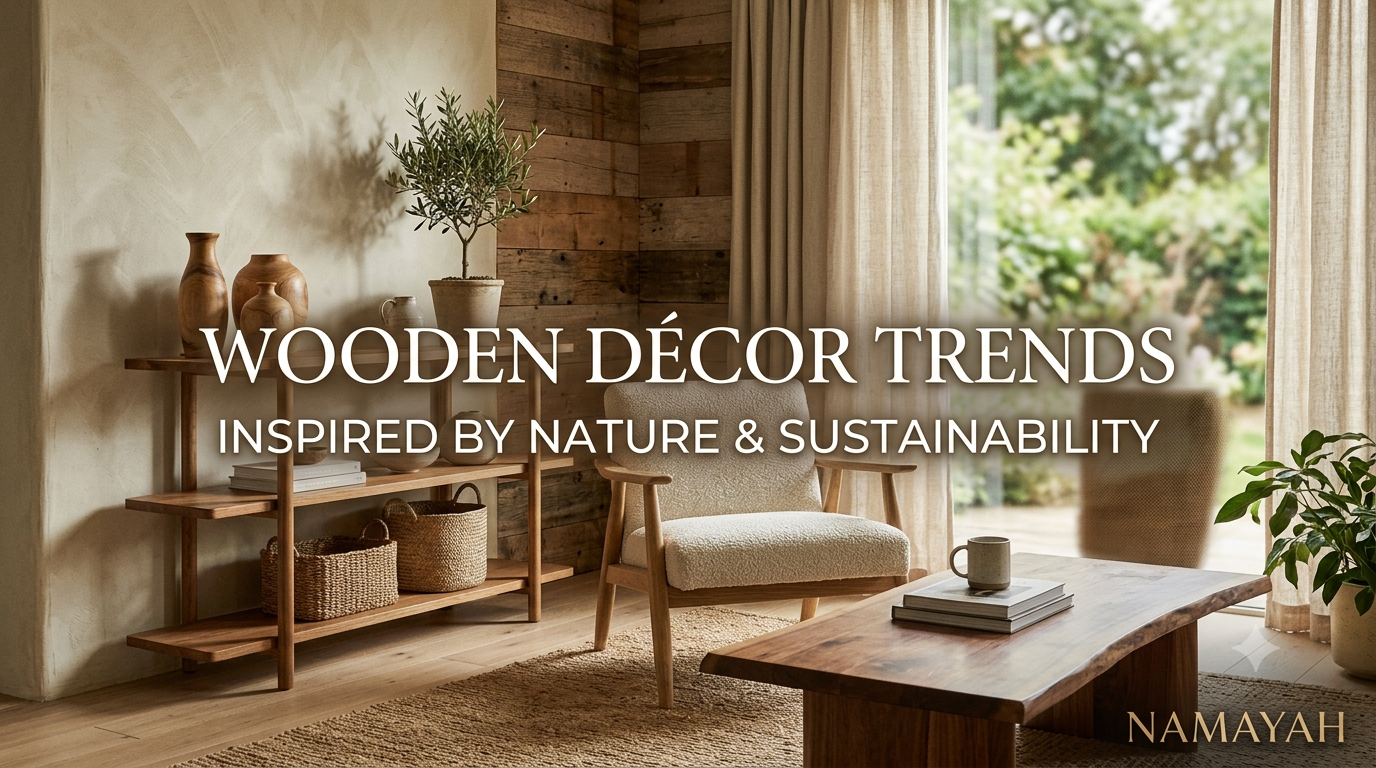
Modern homeowners are searching for interiors that feel warm, calming, and connected to the natural world. This growing preference has made Wooden Décor Trends Inspired by Nature and Sustainability one of the strongest movements in contemporary interior design.
Wood has always been admired for its beauty and durability, but today’s consumers are looking beyond appearance. They want products that reduce environmental impact while creating healthy, welcoming homes. As sustainability becomes a priority, wooden décor has evolved from a traditional design choice into a lifestyle statement.
Unlike synthetic materials, responsibly sourced wood brings natural texture, warmth, and character into every room. Each grain pattern is unique, making every piece one of a kind. Whether it’s a handcrafted coffee table, floating shelves, or decorative wall panels, wooden accents create timeless appeal that rarely goes out of style.
Another reason for this trend is the increasing appreciation for biophilic design. This design philosophy encourages bringing elements of nature indoors to improve comfort and well-being. Wooden furniture, indoor plants, stone accessories, and natural light work together to create spaces that feel peaceful and balanced.
Consumers are also becoming more aware of how their purchasing decisions affect forests and the environment. This awareness has increased demand for reclaimed wood, certified timber, and furniture made using ethical production methods.
The Connection Between Sustainability and Interior Design
Interior design is no longer focused solely on beauty. Today, homeowners want spaces that are functional, healthy, and environmentally responsible.
Sustainable interior design emphasizes reducing waste, choosing renewable resources, and investing in products that last for decades instead of years. Wood naturally fits these goals when it comes from responsibly managed forests or recycled sources.
Some of the biggest sustainability principles include:
- Choosing long-lasting materials
- Reducing unnecessary waste
- Supporting ethical manufacturers
- Minimizing harmful chemical finishes
- Reusing reclaimed materials whenever possible
Wood satisfies all these principles while offering unmatched visual warmth. Unlike many mass-produced materials, wooden furniture often becomes more attractive with age. Minor scratches and wear frequently enhance its character rather than diminish it.
Many designers now recommend investing in fewer but higher-quality wooden pieces instead of replacing inexpensive furniture every few years. This approach saves money over time while reducing landfill waste.
Benefits of Choosing Wooden Home Décor
Wood continues to dominate sustainable design because it offers practical and aesthetic advantages.
Timeless Beauty
Wood never follows short-lived fashion trends. Oak, walnut, teak, maple, and ash have remained popular for generations because they complement nearly every decorating style.
Durability
Quality wooden furniture can last decades with proper care. Many antique wooden pieces remain functional after more than a century, demonstrating their remarkable longevity.
Natural Warmth
Few materials create the same inviting atmosphere as wood. Its natural colors soften modern interiors and make rooms feel more comfortable.
Versatility
Wood works equally well in rustic cottages, minimalist apartments, Scandinavian homes, industrial lofts, and luxury residences.
Improved Indoor Environment
Many homeowners prefer untreated or low-VOC finished wood because it avoids introducing unnecessary chemicals into indoor spaces, helping create a healthier living environment.
Environmental Advantages of Sustainable Wood
Not every wooden product is environmentally friendly. Sustainability depends on how the material is harvested, processed, and transported.
Responsibly sourced wood provides several environmental benefits:
- Renewable when forests are managed properly
- Lower embodied energy than many manufactured materials
- Long lifespan reduces replacement frequency
- Can often be repaired instead of discarded
- Stores carbon throughout its usable life
Reclaimed wood deserves particular attention because it gives existing timber a second life. Old barns, warehouses, and historic buildings provide beautiful materials that would otherwise become waste.
Choosing certified products from responsibly managed forests also supports biodiversity, conservation efforts, and ethical forestry practices.
Popular Types of Sustainable Wood
Reclaimed Wood
Reclaimed wood has become one of the defining features of modern sustainable interiors. Salvaged from older buildings, factories, and bridges, it offers rich texture and history that newly milled lumber often cannot match.
Common applications include:
- Dining tables
- Feature walls
- Floating shelves
- Headboards
- Ceiling beams
Because reclaimed wood already has natural imperfections, each piece tells a unique story.
Bamboo
Although technically a grass rather than a hardwood, bamboo is among the fastest-growing renewable building materials available.
Advantages include:
- Rapid regeneration
- High strength
- Lightweight construction
- Attractive grain patterns
- Excellent sustainability profile
Its clean appearance makes it especially popular in modern and minimalist interiors.
FSC-Certified Timber
Wood certified by the Forest Stewardship Council (FSC) comes from forests managed according to environmental, social, and economic standards.
Choosing certified timber helps support responsible forestry while giving consumers confidence that their purchases align with sustainability goals.
Top Wooden Décor Trends Inspired by Nature and Sustainability
Organic Shapes
Nature rarely produces perfectly straight lines. Designers are increasingly embracing curved furniture, sculptural wooden bowls, rounded coffee tables, and organically shaped shelving.
These flowing forms soften interiors and create a relaxing atmosphere.
Live-Edge Furniture
Live-edge tables preserve the tree’s original outline, showcasing natural curves, knots, and grain patterns. Every piece becomes a functional work of art while celebrating the beauty of raw timber.
Natural Wood Finishes
Instead of glossy coatings, homeowners increasingly prefer matte oils, natural waxes, and low-sheen finishes that highlight the authentic character of the wood itself.
These finishes allow the grain to remain the centerpiece while reducing the use of harsh chemicals.
Minimalist Scandinavian Influence
Scandinavian interiors continue to inspire sustainable design with light woods, clean lines, functional furniture, and uncluttered spaces.
This style emphasizes quality over quantity, making it an ideal partner for sustainable living.
Rustic Modern Style
Rustic modern interiors combine handcrafted wooden pieces with contemporary furniture, creating spaces that feel both sophisticated and welcoming.
The contrast between natural textures and simple modern forms remains one of today’s most enduring decorating trends.
Decorating Every Room with Wooden Elements
Wooden décor can enhance nearly every room in the home. By selecting the right pieces and finishes, you can create a cohesive look that feels inviting and environmentally conscious.
Living Room
The living room is often the heart of the home, making it an ideal place to showcase sustainable wooden décor.
Consider incorporating:
- A solid wood coffee table
- Floating wooden shelves
- Wooden picture frames
- Handcrafted side tables
- Decorative wooden bowls or trays
Pair these elements with neutral fabrics, indoor plants, and natural lighting to create a relaxing atmosphere.
Bedroom
Wood naturally promotes a sense of calm, making it perfect for bedrooms.
Popular ideas include:
- Wooden bed frames
- Reclaimed wood headboards
- Bedside tables crafted from sustainable timber
- Wooden wall art
- Minimalist wardrobes with natural finishes
Soft linens, earthy colors, and woven rugs complement wooden furniture beautifully.
Kitchen
The kitchen can benefit from both functional and decorative wooden features.
Examples include:
- Wooden cutting boards
- Open wooden shelving
- Dining tables made from reclaimed timber
- Wooden bar stools
- Storage boxes and spice racks
Using durable hardwoods such as oak or maple ensures these items remain attractive for years.
Bathroom
Many people overlook wood in bathrooms, but with proper finishes and ventilation, it performs exceptionally well.
Ideas include:
- Wooden vanity units
- Bamboo storage organizers
- Wooden mirrors
- Floating shelves
- Spa-inspired bath accessories
Combining wood with stone, ceramic, and greenery creates a luxurious, nature-inspired retreat.
Mixing Wood with Natural Materials
One of the defining characteristics of Wooden Décor Trends Inspired by Nature and Sustainability is the thoughtful combination of wood with other natural materials.
Some timeless pairings include:
| Material | Why It Works with Wood |
|---|---|
| Stone | Adds texture and durability |
| Linen | Softens wooden surfaces |
| Cotton | Creates comfort and balance |
| Leather | Adds warmth and sophistication |
| Wool | Enhances coziness |
| Glass | Keeps spaces feeling open |
| Clay | Introduces handcrafted charm |
| Indoor Plants | Strengthens the connection with nature |
These combinations prevent interiors from feeling one-dimensional while maintaining an organic appearance.
Choosing Eco-Friendly Wooden Décor
Before purchasing wooden furniture or decorative accessories, evaluate a few important factors.
Look for products that offer:
- Sustainably sourced timber
- FSC certification where available
- Low-VOC finishes
- Durable construction
- Repairable designs
- Minimal plastic packaging
- Local craftsmanship whenever possible
Buying fewer, higher-quality pieces often has a smaller environmental footprint than replacing inexpensive furniture every few years.
Caring for Sustainable Wooden Décor
Proper care extends the life of wooden furniture and reduces unnecessary replacements.
Helpful maintenance tips include:
Dust Regularly
Use a soft microfiber cloth to remove dust before it accumulates.
Avoid Excess Moisture
Although many woods tolerate humidity well, standing water can damage finishes over time.
Protect from Direct Sunlight
Continuous exposure to strong sunlight may fade certain wood species. Curtains or UV-filtering window films can help.
Use Natural Cleaning Products
Gentle soaps and wood-safe oils preserve natural finishes better than harsh chemical cleaners.
Repair Instead of Replace
Minor scratches, dents, or worn finishes can often be sanded and refinished, extending the furniture’s lifespan for many more years.
Common Mistakes to Avoid
Even well-intentioned decorators sometimes make choices that reduce sustainability.
Avoid these common mistakes:
- Purchasing furniture made from unknown wood sources
- Prioritizing appearance over durability
- Ignoring maintenance requirements
- Mixing too many wood tones without balance
- Choosing heavily treated finishes with high chemical content
- Replacing quality furniture instead of repairing it
Thoughtful planning helps ensure your décor remains beautiful and environmentally responsible.
Future Trends in Sustainable Wooden Design
The future of wooden interiors continues to evolve alongside growing environmental awareness.
Emerging trends include:
Locally Sourced Materials
Consumers increasingly value furniture produced close to home, reducing transportation emissions and supporting regional artisans.
Handcrafted Pieces
Mass-produced furniture is gradually giving way to handcrafted designs that celebrate craftsmanship and individuality.
Modular Furniture
Modular wooden furniture allows homeowners to adapt pieces as their needs change, reducing waste and extending product life.
Natural Finishes
Expect greater demand for plant-based oils, beeswax finishes, and low-emission coatings that enhance the natural beauty of wood.
Circular Design
Manufacturers are embracing circular economy principles by designing products that can be repaired, refurbished, or recycled instead of discarded.
These innovations demonstrate that sustainability and style can successfully go hand in hand.
Frequently Asked Questions
1. Why is wooden décor considered sustainable?
Wood is considered sustainable when it comes from responsibly managed forests, reclaimed sources, or rapidly renewable materials such as bamboo. It also has a long lifespan and can often be repaired instead of replaced.
2. What is the best wood for eco-friendly furniture?
Popular sustainable choices include reclaimed wood, FSC-certified oak, maple, ash, walnut, and bamboo. The best option depends on your budget, design preferences, and intended use.
3. How can I tell if wooden furniture is responsibly sourced?
Look for certifications such as FSC, ask the manufacturer about sourcing practices, and choose reputable brands that provide transparency regarding their materials.
4. Does wooden décor work with modern interiors?
Absolutely. Clean-lined wooden furniture pairs beautifully with minimalist, Scandinavian, contemporary, industrial, and even luxury interior styles.
5. Is reclaimed wood durable?
Yes. Reclaimed wood is often sourced from mature trees, making it exceptionally strong and durable. Proper treatment and maintenance further enhance its longevity.
6. How do I maintain natural wood finishes?
Dust regularly, clean with gentle wood-safe products, avoid prolonged moisture exposure, and periodically apply natural oils or waxes recommended for your furniture.
Conclusion
Wooden Décor Trends Inspired by Nature and Sustainability continue to shape modern homes by combining timeless beauty with responsible living. From reclaimed wood furniture and bamboo accessories to live-edge tables and minimalist Scandinavian designs, natural wood offers warmth, durability, and character that few materials can match.
By choosing responsibly sourced wood, investing in quality craftsmanship, and caring for your furniture properly, you can create interiors that are both stylish and environmentally conscious. Whether you are redesigning a single room or furnishing an entire home, sustainable wooden décor provides lasting value while supporting a healthier planet.
As interest in eco-friendly living continues to grow, these trends are likely to remain relevant for years to come. Thoughtful choices today can help preserve natural resources, reduce waste, and create living spaces that are beautiful, comfortable, and deeply connected to nature.
For more information about responsible forestry and sustainable wood products, visit the Forest Stewardship Council (FSC) at https://fsc.org.