
Why Luxury Homeowners Prefer Artisan-Made Décor
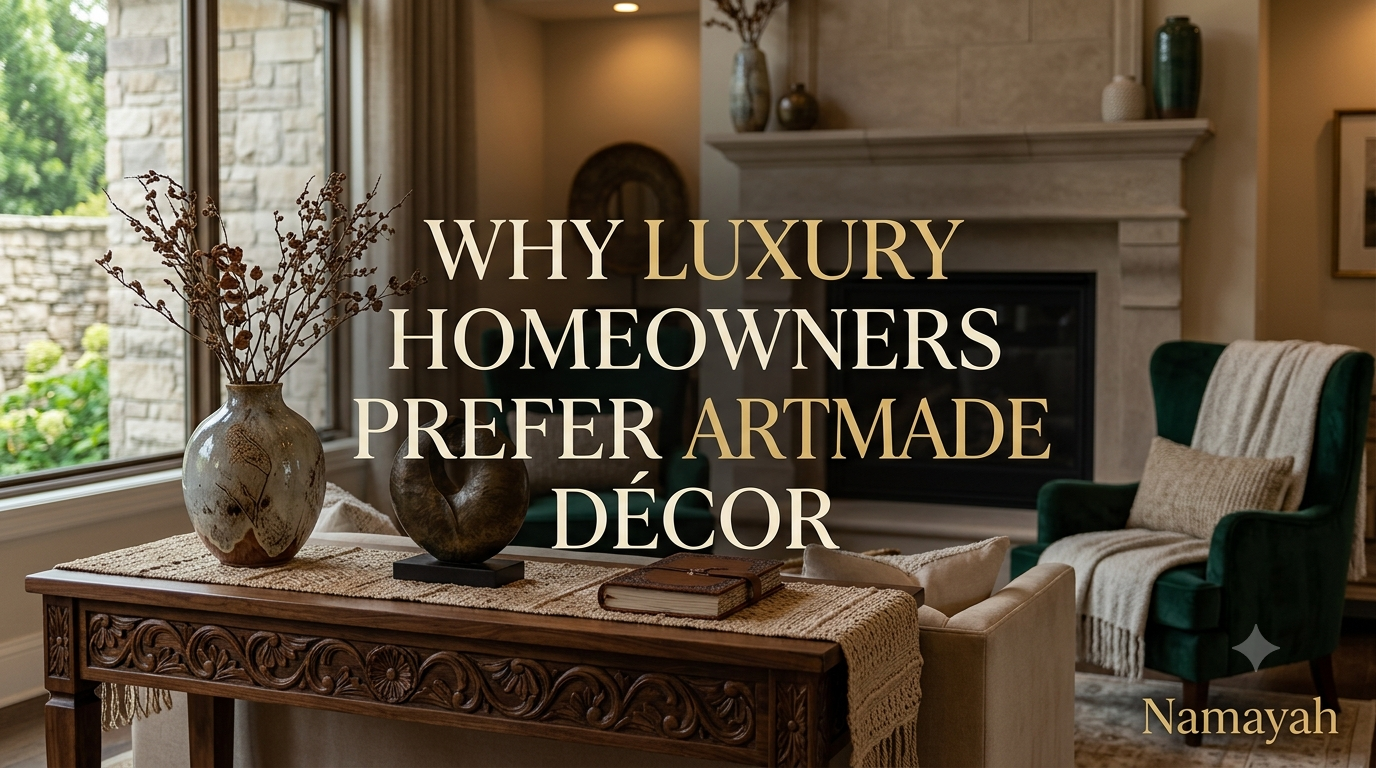
Luxury interior design has evolved far beyond expensive furniture and premium finishes. Today’s high-end homeowners seek spaces that tell stories, reflect personal values, and showcase exceptional craftsmanship. This shift explains Why Luxury Homeowners Prefer Artisan-Made Décor over mass-produced alternatives.
Handcrafted décor offers individuality, timeless quality, and emotional depth that factory-made products rarely achieve. Whether it’s a handwoven rug, a sculpted ceramic vase, or a custom-carved wooden table, artisan-made pieces transform a house into a meaningful home.
Understanding the Rise of Artisan-Made Décor
Luxury consumers increasingly prioritize authenticity over quantity. Instead of filling homes with identical items found in retail stores, many choose handcrafted décor that reflects artistry and heritage.
Several factors have fueled this trend:
- Growing appreciation for craftsmanship
- Interest in sustainable living
- Desire for one-of-a-kind interiors
- Support for independent makers
- Focus on lasting quality instead of frequent replacement
As homeowners become more design-conscious, artisan décor has become a defining feature of sophisticated interiors.
What Defines Artisan Craftsmanship?
Artisan-made décor is created primarily by skilled craftspeople rather than automated manufacturing processes. These makers spend years mastering techniques passed through generations while incorporating contemporary design.
Characteristics include:
- Hand-finishing
- Premium natural materials
- Small-batch production
- Attention to detail
- Individual uniqueness
Unlike factory products, no two artisan pieces are perfectly identical, making every item distinctive.
Why Luxury Homeowners Prefer Artisan-Made Décor in Modern Interiors
The popularity of handcrafted décor isn’t simply about appearance. It reflects deeper values surrounding quality, sustainability, and personal identity.
Authenticity Over Mass Production
Luxury buyers increasingly reject cookie-cutter interiors.
Mass-produced furniture often lacks personality because thousands of identical copies exist worldwide. Artisan-made décor introduces subtle variations in texture, finish, and form that create genuine uniqueness.
These imperfections aren’t flaws—they’re signatures of human craftsmanship.
Superior Materials and Craftsmanship
Artisans typically select premium materials including:
| Material | Benefits |
|---|---|
| Solid hardwood | Long lifespan |
| Handwoven wool | Rich texture |
| Natural stone | Unique patterns |
| Blown glass | Artistic individuality |
| Handmade ceramics | Organic beauty |
Exceptional craftsmanship means these pieces often last decades rather than years.
The Emotional Value of Handmade Pieces
Luxury homeowners increasingly value emotional connection over simple ownership.
Storytelling Through Design
Every handcrafted object carries a narrative.
Perhaps the ceramic vase was fired using centuries-old techniques.
Maybe the woven basket reflects regional traditions.
A hand-carved dining table may represent months of dedicated craftsmanship.
These stories enrich interior spaces with meaning.
Creating Personal Connections
Unlike anonymous factory goods, artisan-made items connect homeowners to the people who created them.
That relationship adds sentimental value beyond the object’s physical function.
Exclusivity and Limited-Edition Appeal
Affluent homeowners appreciate rarity.
Many artisan pieces are:
- One-of-a-kind
- Limited collections
- Custom commissioned
- Individually signed
- Impossible to replicate exactly
This exclusivity aligns perfectly with luxury living, where uniqueness often matters more than brand recognition.
Sustainability and Ethical Production
Another reason Why Luxury Homeowners Prefer Artisan-Made Décor is environmental responsibility.
Many artisans prioritize:
- Local sourcing
- Sustainable wood
- Natural fibers
- Low-waste production
- Traditional, low-energy techniques
These practices reduce environmental impact while supporting ethical craftsmanship.
Supporting Local Communities
Purchasing artisan décor often helps preserve traditional skills while providing income for independent makers and small workshops.
Rather than supporting mass production, buyers invest directly in creative communities.
Eco-Friendly Materials
Many handcrafted products feature:
- Reclaimed wood
- Organic cotton
- Natural clay
- Linen
- Bamboo
- Recycled metals
These materials align with environmentally conscious luxury lifestyles.
Artisan Décor as an Investment
High-quality handcrafted décor often retains value better than mass-market alternatives.
Reasons include:
- Superior durability
- Limited production
- Artist recognition
- Timeless design
- Collectible appeal
As certain artisans gain recognition, their work may even appreciate over time.
Blending Traditional Techniques with Modern Luxury
Today’s artisans successfully merge heritage craftsmanship with contemporary aesthetics.
Examples include:
- Minimalist ceramic lighting
- Modern woven wall art
- Hand-forged metal furniture
- Contemporary carved wood panels
- Sculptural handmade lighting fixtures
This combination creates interiors that feel both timeless and current.
Popular Types of Artisan Home Décor
Luxury homes commonly feature handcrafted elements throughout every room.
| Décor Type | Artisan Techniques |
|---|---|
| Rugs | Hand-knotting |
| Pottery | Wheel throwing |
| Furniture | Wood carving |
| Lighting | Glass blowing |
| Textiles | Hand weaving |
| Mirrors | Metal forging |
| Sculptures | Stone carving |
| Wall art | Mixed media craftsmanship |
Each piece introduces texture, personality, and visual depth.
How Interior Designers Incorporate Artisan Pieces
Leading designers rarely rely exclusively on handcrafted furnishings.
Instead, they balance artisan pieces with modern elements.
Popular approaches include:
- Statement handmade coffee tables
- Handwoven area rugs
- Sculptural ceramic collections
- Custom lighting fixtures
- Artisan wall installations
- Handmade dining tables
These focal points elevate the entire interior without overwhelming the space.
Choosing Authentic Artisan Décor
Before purchasing handcrafted pieces, homeowners should evaluate several factors.
Look for:
- Maker information
- Material transparency
- Handcrafted details
- Ethical sourcing
- Authentic certifications when available
- Limited production numbers
Buying directly from artisans or reputable galleries often provides greater confidence in authenticity.
For additional inspiration on craftsmanship and design trends, resources such as the Crafts Council (https://www.craftscouncil.org.uk/) showcase contemporary makers and traditional techniques.
Common Mistakes to Avoid
When investing in artisan décor, avoid these common pitfalls:
- Prioritizing appearance over craftsmanship.
- Ignoring material quality.
- Buying imitation handmade products.
- Overcrowding spaces with too many statement pieces.
- Failing to verify the maker’s background.
- Neglecting proper maintenance for natural materials.
Thoughtful selection ensures each handcrafted item remains a cherished part of the home for years.
Frequently Asked Questions
1. Why do luxury homeowners prefer artisan-made décor?
Because it offers superior craftsmanship, exclusivity, authenticity, and lasting quality while reflecting personal style.
2. Is artisan-made décor more expensive?
Usually, yes. However, the higher cost often reflects premium materials, skilled labor, durability, and uniqueness.
3. Does handmade décor increase home value?
While décor itself doesn’t directly raise property value, thoughtfully chosen artisan pieces can enhance perceived luxury and make interiors more memorable.
4. How can I verify authentic artisan-made products?
Look for information about the maker, handcrafted processes, material sourcing, and reputable sellers. Authentic artisans are typically transparent about their methods.
5. Is artisan décor environmentally friendly?
Many artisan products use sustainable materials, small-batch production, and lower-impact manufacturing, though practices vary by maker.
6. Can artisan-made décor fit modern interior design?
Absolutely. Many contemporary artisans combine traditional techniques with minimalist or modern aesthetics, making handcrafted pieces suitable for a wide range of design styles.
Conclusion
The growing appreciation for handcrafted interiors clearly demonstrates Why Luxury Homeowners Prefer Artisan-Made Décor. Beyond aesthetics, these pieces embody exceptional craftsmanship, authenticity, sustainability, and emotional significance. They offer a refreshing alternative to mass-produced furnishings, allowing homeowners to curate spaces that are both elegant and deeply personal.
As luxury design continues to emphasize individuality and enduring quality, artisan-made décor is poised to remain a cornerstone of sophisticated homes. Investing in handcrafted pieces is not just about decorating a space—it’s about celebrating artistry, preserving traditional skills, and creating interiors with lasting character.