
The Difference Between Handmade and Mass-Produced Products
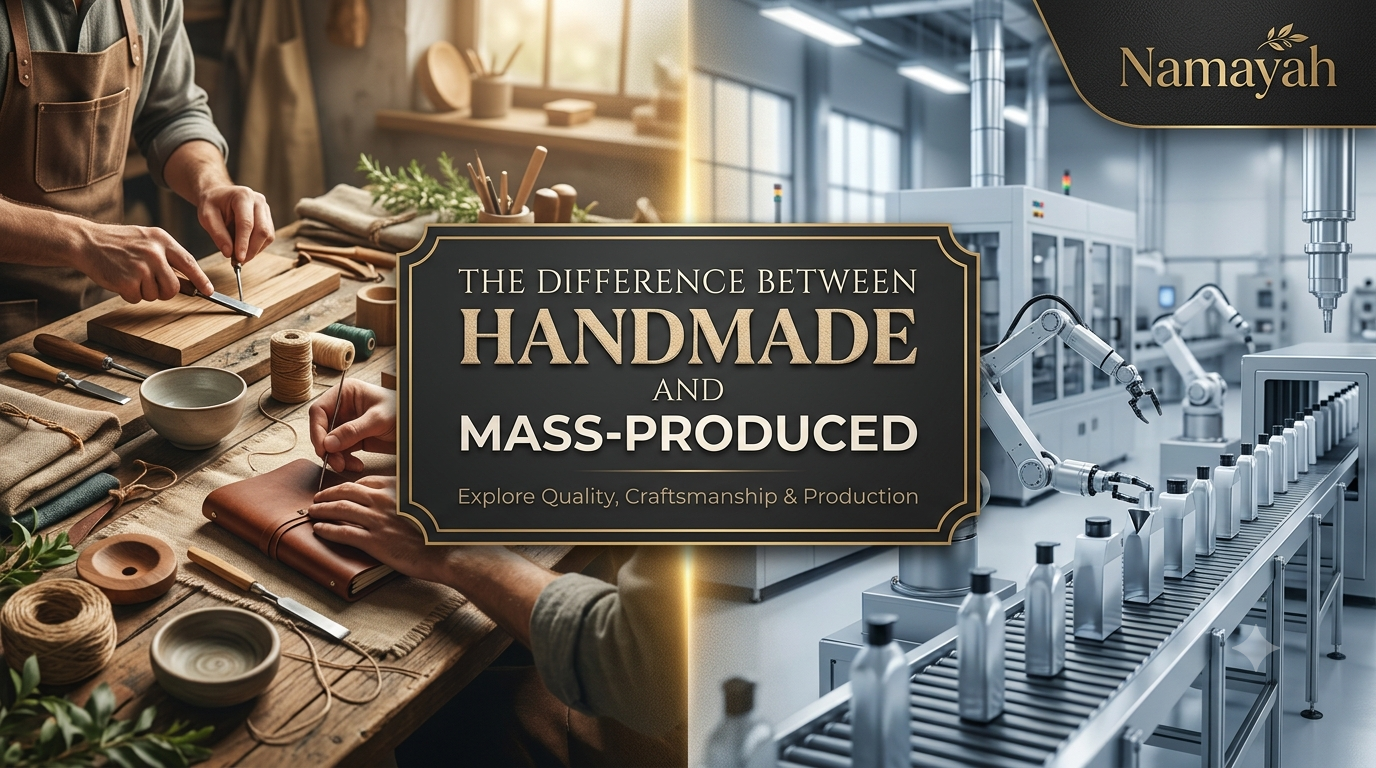
In today’s marketplace, consumers have more choices than ever before. From handcrafted pottery and artisan jewelry to factory-made furniture and clothing, understanding The Difference Between Handmade and Mass-Produced Products can help you make informed purchasing decisions.
While mass production has made products affordable and widely available, handmade items continue to attract buyers looking for originality, quality, and personal craftsmanship. Each option has its own advantages and disadvantages depending on your needs, budget, and values.
This article explores every aspect of handmade and mass-produced products, including quality, price, environmental impact, durability, customization, and much more.
What Are Handmade Products?
Handmade products are items created primarily by skilled artisans using manual techniques rather than automated machinery. Although some craftspeople may use small tools or equipment, the majority of the work relies on human skill, creativity, and attention to detail.
Examples include:
- Handmade jewelry
- Pottery
- Wooden furniture
- Leather bags
- Hand-knitted clothing
- Handmade candles
- Paintings
Each handmade item is slightly unique, making it different from every other piece.
Characteristics
- Individually crafted
- Unique appearance
- High attention to detail
- Often customizable
- Produced in small quantities
What Are Mass-Produced Products?
Mass-produced products are manufactured in factories using machines and assembly lines. Thousands—or even millions—of identical items are produced quickly and efficiently.
Common examples include:
- Smartphones
- Fast fashion clothing
- Plastic household goods
- Electronics
- Packaged furniture
- Kitchen appliances
Mass production focuses on speed, consistency, and affordability.
Characteristics
- Identical products
- Machine-made
- Large production volumes
- Lower production costs
- Faster manufacturing
History of Handmade Craftsmanship
Before industrialization, nearly everything people owned was handmade. Blacksmiths forged tools, carpenters built furniture, weavers created fabrics, and potters crafted everyday household items.
Handmade craftsmanship was not simply a profession—it was a tradition passed from generation to generation. Every region developed its own unique artistic styles, techniques, and materials.
Today, handmade goods continue to preserve cultural heritage while showcasing individual creativity.
Rise of Mass Production
The Industrial Revolution transformed manufacturing forever.
Factories introduced:
- Steam-powered machines
- Assembly lines
- Mechanized production
- Standardized parts
These innovations dramatically reduced manufacturing costs while increasing production speed.
Consumers gained access to affordable products that were once considered luxury items.
Mass production continues to dominate industries such as:
- Electronics
- Automotive
- Clothing
- Food manufacturing
- Furniture
Key Differences at a Glance
| Feature | Handmade | Mass-Produced |
|---|---|---|
| Production | Individual artisan | Factory machinery |
| Quantity | Limited | Large-scale |
| Quality | Often higher | Consistent but variable |
| Price | Higher | Lower |
| Customization | High | Very limited |
| Uniqueness | Every piece differs | Nearly identical |
| Production Speed | Slow | Fast |
| Materials | Premium or selected | Cost-efficient |
| Sustainability | Often better | Depends on manufacturer |
Quality Comparison
Quality is one of the biggest differences between handmade and factory-produced items.
Handmade Products
Artisans typically inspect every detail during production.
Benefits include:
- Better finishing
- Greater attention to detail
- Higher craftsmanship
- Individual quality checks
Small imperfections may actually demonstrate authenticity rather than poor workmanship.
Mass-Produced Products
Factories use standardized quality control processes.
Advantages include:
- Uniform appearance
- Consistent dimensions
- Reliable performance
However, speed often takes priority over perfection.
Materials Used
Handmade products frequently use premium or locally sourced materials.
Examples include:
- Genuine leather
- Natural wood
- Organic cotton
- Wool
- Ceramic
- Glass
Mass-produced items may use:
- Composite materials
- Synthetic fabrics
- Plastic
- Engineered wood
This helps reduce manufacturing costs but may affect longevity.
Craftsmanship vs Automation
Handmade craftsmanship depends on years of training and experience.
Artisans often:
- Hand carve
- Hand stitch
- Hand paint
- Sculpt
- Weave
Every product reflects personal skill.
Factory automation uses:
- Robotics
- Conveyor belts
- Computer-controlled machinery
Automation increases efficiency while minimizing production costs.
Price Differences
Handmade products usually cost more because of:
- Labor-intensive production
- Premium materials
- Limited production
- Skilled craftsmanship
- Longer manufacturing times
Mass-produced goods are less expensive because factories benefit from:
- Economies of scale
- Bulk purchasing
- Automated manufacturing
- Faster production
The lower price makes these products accessible to a wider range of consumers.
Environmental Impact
Many handmade businesses prioritize sustainable practices by:
- Using recycled materials
- Producing less waste
- Supporting local supply chains
- Creating products on demand
Mass production can have a larger environmental footprint due to:
- High energy consumption
- Global shipping
- Packaging waste
- Large-scale resource extraction
That said, some manufacturers are investing in greener production methods and recyclable materials, so environmental impact varies by company.
Durability
Handmade products are often designed to last because artisans focus on craftsmanship and quality over quantity. A well-made leather wallet, solid wood table, or hand-thrown ceramic bowl can remain functional for decades with proper care.
Mass-produced products can also be durable, particularly those made by reputable manufacturers. However, in some markets—such as fast fashion or low-cost furniture—products may be designed to meet lower price points rather than maximize lifespan.
Customization Options
One of the greatest strengths of handmade products is personalization. Many artisans allow customers to choose:
- Colors
- Sizes
- Materials
- Engravings
- Designs
- Finishes
Mass-produced products typically offer only a limited selection of pre-made options, making them less flexible for buyers seeking something unique.
Supporting Local Artisans
Purchasing handmade goods often has benefits beyond the product itself. It can:
- Support small businesses and independent makers.
- Help preserve traditional crafts and cultural heritage.
- Keep more money within local communities.
- Encourage creativity and innovation.
For many buyers, these social and economic benefits are an important part of the purchase decision.
Advantages and Disadvantages
Handmade Products
Advantages
- Unique and original
- Excellent craftsmanship
- Greater customization
- Often more sustainable
- Supports independent artisans
Disadvantages
- Higher prices
- Longer production times
- Limited availability
- Small natural variations between items
Mass-Produced Products
Advantages
- Affordable
- Widely available
- Consistent quality
- Quick to manufacture
- Easy to replace
Disadvantages
- Limited customization
- Less distinctive
- May use lower-cost materials
- Can have a larger environmental impact
Which One Should You Choose?
The right choice depends on your priorities.
Choose handmade products if you value:
- Originality
- Craftsmanship
- Personalization
- Long-term quality
- Supporting local makers
Choose mass-produced products if you prioritize:
- Lower cost
- Immediate availability
- Standardized quality
- Convenience
- Large product selection
In many cases, a balanced approach works well—for example, investing in handmade items for meaningful or long-lasting purchases while choosing mass-produced goods for everyday essentials.
Frequently Asked Questions
1. Are handmade products always better than mass-produced products?
Not necessarily. Handmade products often excel in craftsmanship and uniqueness, while mass-produced products are usually more affordable and consistent. The better choice depends on your needs and budget.
2. Why do handmade products cost more?
They require skilled labor, more production time, smaller production runs, and often higher-quality materials, all of which increase costs.
3. Are mass-produced products lower quality?
Not always. Many factory-made products meet high quality standards, especially when produced by reputable manufacturers. Quality varies by brand and manufacturing process.
4. Which option is more environmentally friendly?
Handmade products are often associated with smaller production runs and reduced waste, but sustainability depends on the materials used, production methods, and transportation for both handmade and factory-made goods.
5. Can handmade products be customized?
Yes. Many artisans offer personalized designs, custom sizes, engravings, or color options that are difficult to find in mass-produced items.
6. Are handmade products worth the investment?
If you value durability, uniqueness, craftsmanship, or supporting independent creators, many handmade products can provide long-term value that justifies the higher upfront cost.
Conclusion
Understanding The Difference Between Handmade and Mass-Produced Products helps consumers align their purchases with their priorities. Handmade items offer individuality, craftsmanship, and opportunities for customization, while mass-produced goods provide affordability, consistency, and widespread availability.
Neither approach is universally better. Instead, each serves different needs. By considering factors such as quality, budget, sustainability, and intended use, you can make purchasing decisions that reflect your personal values and practical requirements.
For more information on sustainable craftsmanship and responsible consumption, you can explore resources from the World Crafts Council at https://www.wccinternational.org/.