
Why Handmade Products Are More Valuable Than Ever
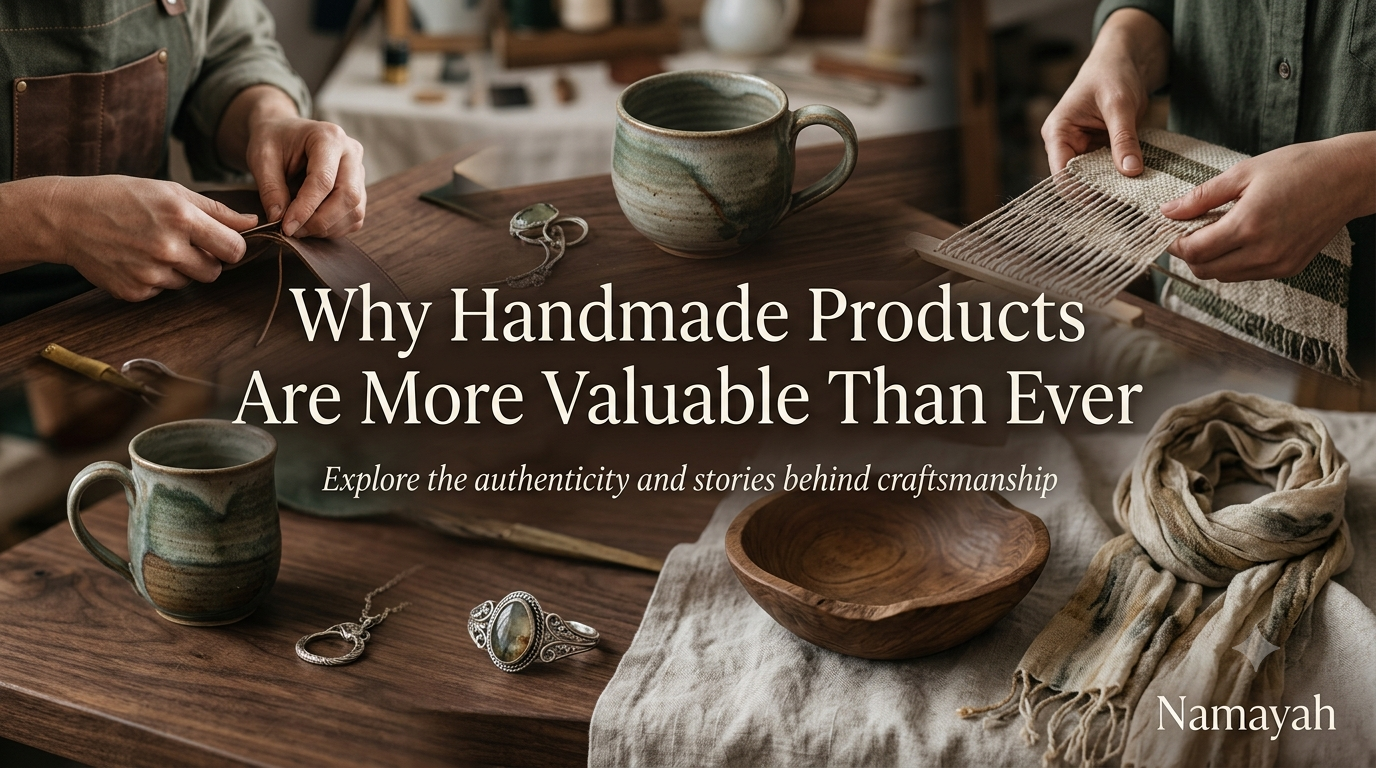
In a world filled with factory-made goods, handmade creations have gained renewed appreciation. Consumers today are becoming more conscious about quality, sustainability, and the stories behind the products they buy. This shift explains Why Handmade Products Are More Valuable Than Ever. Whether it’s handcrafted jewelry, pottery, clothing, candles, furniture, or home décor, handmade items offer benefits that extend far beyond appearance.
Choosing handmade means supporting skilled artisans, preserving traditional craftsmanship, and investing in products built with care rather than speed. As people seek meaningful purchases instead of disposable goods, handmade products continue to grow in popularity.
The Rising Demand for Handmade Products
Consumer preferences have changed dramatically over the last decade. Many buyers now prioritize authenticity over mass production. Online marketplaces, craft fairs, and independent artisan shops have made handmade goods more accessible than ever.
Several trends contribute to this growing demand:
- Greater awareness of sustainability
- Increased appreciation for craftsmanship
- Support for local economies
- Interest in personalized products
- Desire for unique home décor and gifts
Instead of purchasing identical products manufactured in large factories, customers increasingly value items with personality and originality.
What Makes a Product Truly Handmade?
A handmade product is primarily created by an artisan using traditional skills, specialized tools, or small-scale production methods. While some makers may use machinery for certain steps, the creative design, assembly, finishing, and quality inspection are typically completed by hand.
Characteristics of authentic handmade products include:
- Individual craftsmanship
- Small production batches
- Unique variations
- Careful finishing
- Personal quality control
These subtle differences make every handmade item one of a kind rather than a perfect replica.
The Human Touch Behind Every Creation
Every handmade product tells a story. Unlike automated manufacturing lines, artisans invest time, creativity, and passion into each piece they produce.
Years of experience often influence every design decision, from selecting materials to applying the final finish. Customers aren’t simply purchasing an object—they’re supporting someone’s craft, livelihood, and artistic vision.
This emotional connection creates value that factory-produced goods rarely provide.
Handmade Products Offer Exceptional Quality
Quality remains one of the strongest reasons handmade goods continue to gain popularity.
Attention to Detail
Handmade creators carefully inspect every stage of production. Small imperfections are corrected before products reach customers, resulting in higher overall quality.
Benefits include:
- Better finishing
- Stronger construction
- Greater durability
- More consistent craftsmanship
Premium Materials
Many artisans prioritize quality over quantity by selecting premium materials rather than the least expensive options.
Examples include:
- Solid hardwood instead of particle board
- Natural leather instead of synthetic alternatives
- Organic cotton
- Natural waxes
- Hand-selected gemstones
Better materials often translate into longer-lasting products.
Supporting Local Artisans and Small Businesses
Buying handmade directly supports independent creators instead of large corporations.
This creates positive ripple effects:
- Strengthens local communities
- Preserves traditional crafts
- Encourages entrepreneurship
- Creates local employment opportunities
- Keeps cultural heritage alive
Many small businesses rely heavily on customer support to continue practicing their craft.
Handmade Products Promote Sustainability
Environmental concerns have made sustainable shopping increasingly important.
Handmade businesses frequently adopt eco-friendly practices that reduce waste and conserve resources.
Less Waste
Small-batch production avoids manufacturing excessive inventory.
Benefits include:
- Reduced landfill waste
- Lower overproduction
- Better inventory management
Ethical Production
Many artisans personally oversee production, ensuring fair labor practices and responsible sourcing.
Sustainability often includes:
- Recycled packaging
- Natural materials
- Locally sourced supplies
- Low-energy production methods
These practices reduce environmental impact while promoting responsible consumption.
The Emotional Value of Handmade Gifts
Handmade gifts carry a level of thoughtfulness that mass-produced items rarely match.
Whether celebrating birthdays, weddings, anniversaries, or holidays, handcrafted gifts often become cherished keepsakes because they reflect care and individuality.
Popular handmade gift ideas include:
- Personalized jewelry
- Custom artwork
- Hand-poured candles
- Knitted blankets
- Wooden keepsake boxes
- Handmade ceramics
Recipients often value the story and effort behind these gifts as much as the items themselves.
Why Handmade Products Make Better Long-Term Investments
Although handmade goods may cost more upfront, they frequently offer better long-term value.
Reasons include:
| Feature | Handmade | Mass-Produced |
|---|---|---|
| Durability | High | Moderate |
| Uniqueness | Excellent | Limited |
| Repairability | Often easier | Often replaced |
| Personal Value | High | Lower |
| Craftsmanship | Exceptional | Standardized |
Rather than replacing cheaply made products every few years, buyers often enjoy handmade items for decades.
Handmade vs. Mass-Produced: A Comparison
Understanding the differences helps consumers make informed purchasing decisions.
| Handmade Products | Mass-Produced Products |
|---|---|
| Individually crafted | Factory assembled |
| Unique variations | Uniform appearance |
| Small-batch production | Large-scale manufacturing |
| Higher attention to detail | Focus on speed |
| Supports artisans | Supports corporations |
| Often eco-friendly | Greater environmental impact |
Neither option is universally better for every situation, but handmade products excel when quality, individuality, and craftsmanship matter most.
How to Identify Authentic Handmade Products
Before purchasing, consider these indicators:
- Read the maker’s story.
- Look for detailed product descriptions.
- Examine close-up photos.
- Ask about materials and production methods.
- Check customer reviews.
- Purchase from reputable artisan marketplaces or directly from creators.
Authentic makers are typically transparent about how their products are created.
For more information on supporting artisans and sustainable craftsmanship, organizations such as the World Crafts Council provide valuable resources: https://www.wccinternational.org
Frequently Asked Questions
1. Why are handmade products usually more expensive?
They require more time, skilled labor, premium materials, and careful quality control compared to factory-made products.
2. Are handmade products better quality?
Often yes. Many artisans focus on durability, craftsmanship, and attention to detail rather than high-volume production.
3. Are handmade products environmentally friendly?
Many are. Small-scale production, reduced waste, and responsible material sourcing can make handmade goods a more sustainable choice.
4. Do handmade products last longer?
When made with quality materials and proper craftsmanship, handmade items often have a longer lifespan than mass-produced alternatives.
5. Can handmade products be customized?
Yes. One of the biggest advantages of buying handmade is the opportunity for personalization, from custom colors to engraved names and tailored designs.
6. How does buying handmade help local communities?
Purchasing handmade products supports independent artisans and small businesses, helping preserve traditional skills, create local jobs, and strengthen community economies.
Conclusion
Understanding Why Handmade Products Are More Valuable Than Ever goes beyond comparing prices. Handmade goods represent craftsmanship, creativity, sustainability, and meaningful human connection. Each purchase supports skilled artisans, encourages ethical production, and often results in a product built to last.
As consumers increasingly seek quality over quantity, handmade products continue to stand out as thoughtful, durable, and distinctive choices. Whether you’re buying a gift, decorating your home, or investing in everyday essentials, choosing handmade is often an investment in both exceptional craftsmanship and the people behind it.