
The Story Behind Traditional Indian Copper Craftsmanship
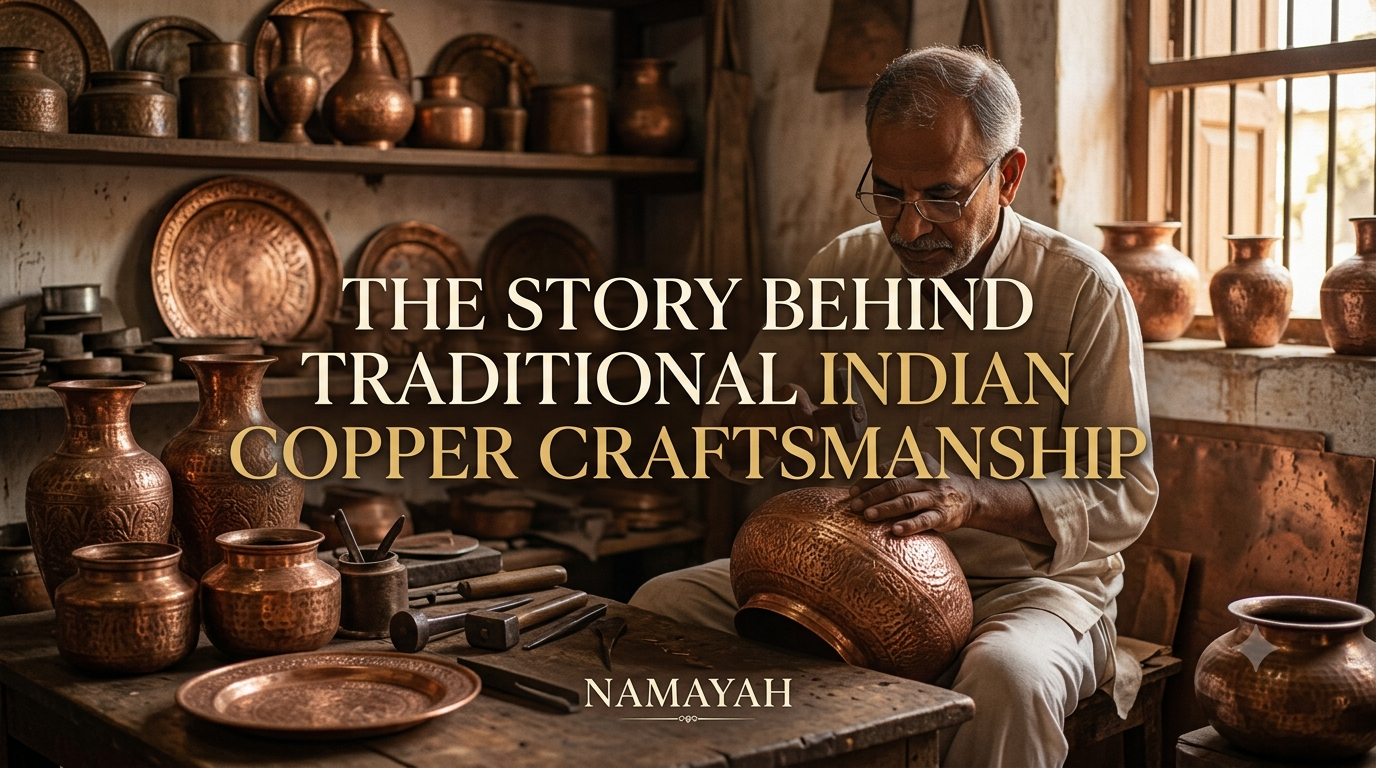
Traditional Indian copper craftsmanship is one of the oldest and most respected forms of metalworking in the world. For thousands of years, Indian artisans have transformed raw copper into beautiful utensils, religious artifacts, decorative pieces, and practical household items. This remarkable craft reflects India’s artistic excellence, cultural traditions, and deep connection with skilled handwork.
From ancient civilizations to modern homes, copper has remained an important part of Indian life. The story behind traditional Indian copper craftsmanship is not just about creating objects; it is about preserving heritage, passing down knowledge through generations, and celebrating creativity.
Origins of Traditional Indian Copper Craftsmanship
The history of copper use in India stretches back thousands of years. Archaeological discoveries suggest that copper was among the first metals used by ancient communities in the Indian subcontinent.
Early Use of Copper in the Indian Subcontinent
Ancient people recognized copper’s durability, malleability, and attractive appearance. It was used to create tools, ornaments, and vessels long before the development of modern manufacturing methods.
Copper artifacts discovered across India indicate that metalworking skills were highly advanced even in prehistoric times. These early craftsmen developed techniques that would later evolve into sophisticated artistic traditions.
Archaeological Evidence from Ancient Civilizations
Excavations at sites associated with the ancient Indus Valley Civilization have revealed copper tools, weapons, and decorative objects. These findings demonstrate the significant role copper played in daily life and trade networks.
The widespread use of copper reflects both technological innovation and cultural development, laying the foundation for future generations of artisans.
Cultural Importance of Copper in Indian Society
Copper holds a special place in Indian culture and traditions.
Copper in Religious Rituals and Ceremonies
Many Hindu rituals involve copper vessels, lamps, and ceremonial items. Temples frequently use copper utensils for offerings and sacred ceremonies.
Copper kalash vessels are commonly seen during religious festivals, weddings, and housewarming ceremonies. Their presence symbolizes auspiciousness and spiritual purity.
Symbolism of Purity, Prosperity, and Health
Throughout Indian history, copper has been associated with positive energy and well-being. Many families consider copper objects symbols of prosperity and good fortune.
Its warm reddish glow has also contributed to its status as a respected and valued metal.
Evolution of Traditional Indian Copper Craftsmanship Through the Ages
As India’s dynasties rose and fell, copper craftsmanship continued to evolve.
Influence of Mauryan, Gupta, and Mughal Eras
Each historical period contributed unique artistic elements to copper craftsmanship.
The Mauryan Empire encouraged skilled metalworking. The Gupta period saw refinement in decorative arts, while the Mughal era introduced intricate floral patterns and elaborate engraving techniques.
These influences combined to create distinctive regional styles that remain recognizable today.
Regional Adaptations and Artistic Innovations
Different regions developed their own approaches to copper crafting. Local traditions, available tools, and cultural influences shaped unique artistic expressions.
This diversity remains one of the defining characteristics of Indian copper craftsmanship.
Major Copper Craft Centers in India
Several regions have earned reputations for exceptional copper work.
Rajasthan’s Decorative Copper Arts
Rajasthan is famous for richly decorated copper items featuring detailed engravings and traditional motifs. Artisans often create decorative plates, lamps, and ornamental pieces inspired by royal heritage.
Uttar Pradesh’s Engraved Copperware
Craftsmen in Uttar Pradesh are known for their detailed engraving work. Their creations often feature floral designs, geometric patterns, and cultural themes.
Kashmir’s Handcrafted Copper Utensils
Kashmir has a long tradition of producing beautifully handcrafted copper utensils. These items frequently display exquisite craftsmanship and artistic detailing.
Traditional Techniques Used by Copper Artisans
Creating copper products requires patience, skill, and precision.
Hammering and Shaping Methods
Artisans begin by heating and hammering copper sheets into desired forms. Repeated shaping and annealing help maintain the metal’s flexibility.
This process can take hours or even days depending on the complexity of the design.
Engraving, Embossing, and Etching
Decorative patterns are added using specialized hand tools. Skilled craftsmen carefully carve intricate motifs into the copper surface.
Embossing creates raised designs, while etching adds detailed visual effects.
Polishing and Finishing Processes
After shaping and decoration, artisans polish the copper to enhance its appearance. The final finish highlights the metal’s natural beauty and craftsmanship.
The Lives and Skills of Indian Copper Craftsmen
Behind every copper creation stands a dedicated artisan.
Generational Knowledge Transfer
Many copper craftsmen belong to families that have practiced the craft for generations. Skills are passed from parents to children through hands-on learning and observation.
This transfer of knowledge helps preserve traditional techniques.
Apprenticeship and Artisan Communities
Young learners often spend years mastering the craft under experienced mentors. Artisan communities provide support, training, and opportunities for collaboration.
Such networks play a vital role in maintaining quality and authenticity.
Traditional Indian Copper Craftsmanship in Everyday Life
Copper products have long served practical purposes in Indian households.
Household Utensils and Storage Vessels
Traditional kitchens often included copper pots, water containers, and cooking vessels. These items were valued for their durability and functionality.
Decorative and Functional Items
Copper is also used to create lamps, trays, bowls, wall hangings, and decorative sculptures. These objects combine beauty with everyday utility.
Health and Wellness Associations with Copper
Copper has been connected to wellness practices for centuries.
Ayurvedic Perspectives
Ayurveda traditionally recommends storing water in copper vessels. According to Ayurvedic principles, this practice may support overall well-being when used appropriately.
Modern Interest in Copper Products
Today, many consumers purchase copper bottles and containers due to growing interest in traditional wellness practices.
For additional information on Ayurveda, visit the official website of the Ministry of AYUSH: https://www.ayush.gov.in
Artistic Motifs and Design Inspirations
Indian copper craftsmanship reflects a wide range of artistic influences.
Nature-Inspired Patterns
Flowers, leaves, birds, and vines frequently appear in copper designs. These motifs celebrate nature’s beauty and abundance.
Religious and Geometric Designs
Many pieces feature sacred symbols, mandalas, and geometric arrangements that reflect India’s spiritual and artistic traditions.
Economic Importance of Copper Craft Industries
The copper craft sector contributes significantly to local economies.
Employment and Rural Livelihoods
Thousands of artisans depend on copper craftsmanship for income. The industry supports families and preserves valuable cultural skills.
Contribution to Handicraft Exports
Indian copper products are appreciated internationally for their quality and artistry, contributing to the country’s handicraft exports.
Challenges Facing Traditional Indian Copper Craftsmanship
Despite its rich heritage, the craft faces several obstacles.
Competition from Mass Production
Machine-made products often cost less than handcrafted items, making it difficult for artisans to compete.
Rising Material Costs
Increasing copper prices can reduce profit margins and limit production opportunities for small workshops.
Preservation Efforts and Government Support
Various initiatives aim to protect traditional craftsmanship.
Handicraft Promotion Programs
Government agencies and cultural organizations promote artisan products through exhibitions, fairs, and marketing support.
Training and Skill Development Initiatives
Workshops and educational programs help younger generations learn traditional techniques while adapting to modern markets.
Sustainable Aspects of Copper Craftsmanship
Copper craftsmanship offers several environmental advantages.
Recyclability of Copper
Copper can be recycled repeatedly without losing quality, making it a sustainable material choice.
Environmentally Responsible Production
Traditional handcrafted methods often consume less energy than large-scale industrial manufacturing processes.
Traditional Indian Copper Craftsmanship in Contemporary Design
Today, designers are rediscovering the appeal of handcrafted copper products.
Fusion with Modern Interiors
Contemporary homes increasingly incorporate copper accents, lighting fixtures, and decorative pieces inspired by traditional craftsmanship.
Global Appreciation of Indian Copper Art
Collectors and design enthusiasts worldwide admire Indian copper artistry for its authenticity and timeless appeal.
Frequently Asked Questions
1. How old is traditional Indian copper craftsmanship?
Evidence suggests that copper craftsmanship in India dates back more than 4,000 years.
2. Why is copper important in Indian culture?
Copper is associated with spirituality, purity, prosperity, and traditional household practices.
3. Which Indian states are famous for copper craftsmanship?
Rajasthan, Uttar Pradesh, and Kashmir are particularly known for their copper craft traditions.
4. How are copper items traditionally made?
Artisans use hammering, engraving, embossing, shaping, and polishing techniques performed largely by hand.
5. Is copper environmentally friendly?
Yes. Copper is highly recyclable and can be reused multiple times without losing its essential properties.
6. Why are handcrafted copper products valuable?
They reflect skilled workmanship, cultural heritage, unique artistry, and often require many hours of manual labor.
Conclusion: Preserving a Timeless Heritage
The story behind traditional Indian copper craftsmanship is a remarkable journey through history, culture, and artistic excellence. From ancient civilizations to contemporary homes, copper has remained an enduring symbol of creativity and tradition. Skilled artisans continue to preserve techniques passed down through generations, ensuring that this treasured heritage survives in an increasingly industrialized world.
As appreciation for handmade products grows, traditional Indian copper craftsmanship stands as a powerful reminder of the value of skill, patience, and cultural identity. Supporting these artisans not only preserves beautiful art forms but also safeguards a living legacy that has enriched Indian society for centuries.