
Why Brass Is a Preferred Material for Luxury Décor
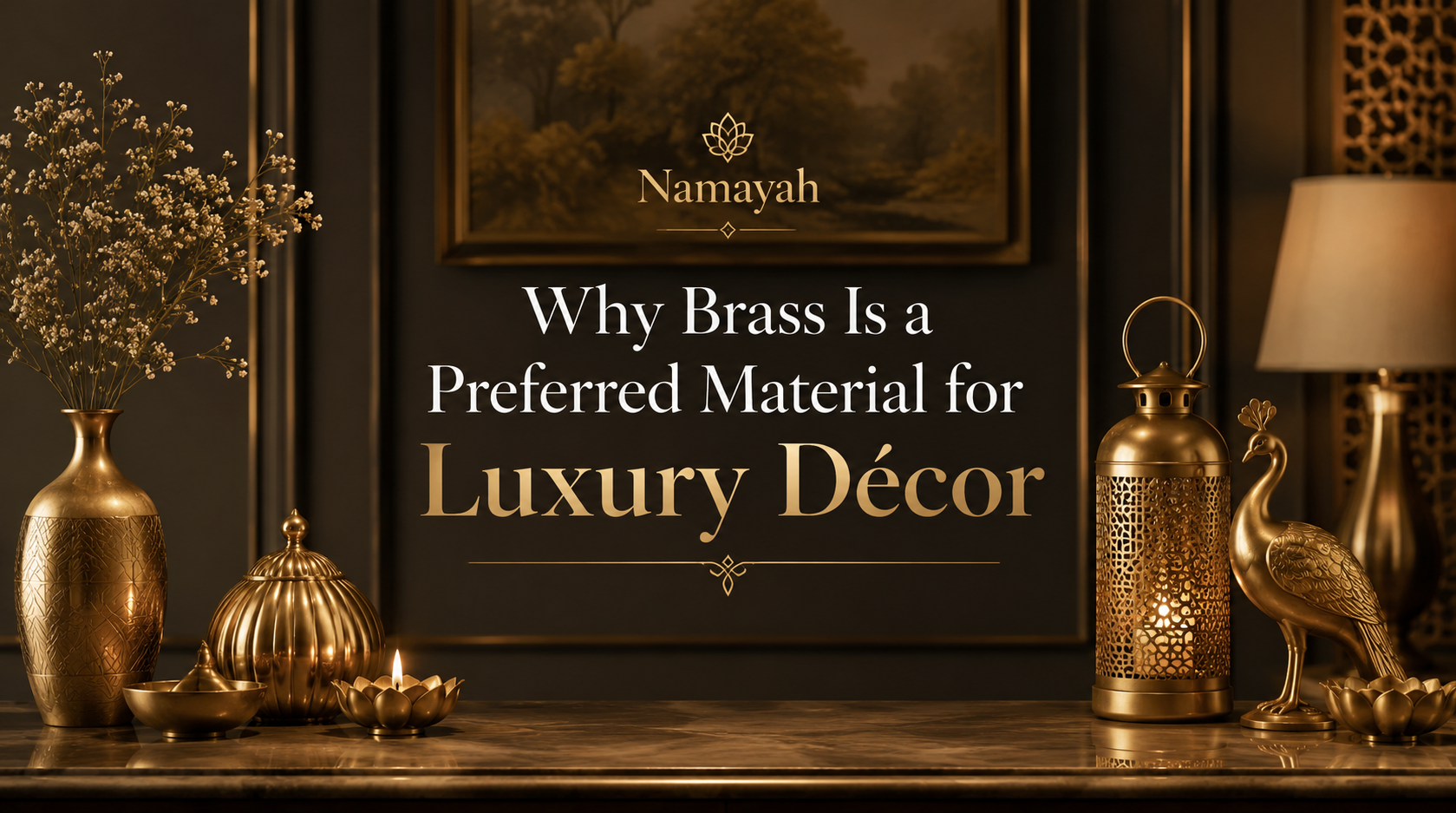
Introduction to Brass in Luxury Design
Luxury interiors are defined by timeless materials, refined craftsmanship, and attention to detail. Among the many premium materials used in upscale homes, hotels, and commercial spaces, brass consistently stands out as a symbol of sophistication. From elegant lighting fixtures to designer furniture accents, brass brings warmth, character, and lasting beauty to nearly every design style.
Understanding Why Brass Is a Preferred Material for Luxury Décor helps homeowners, architects, and interior designers make informed choices that combine aesthetics with long-term value.
The Rich History of Brass in Architecture and Interiors
Brass has been admired for centuries. Ancient civilizations used it to create decorative objects, religious artifacts, musical instruments, and architectural details. During the Victorian and Art Deco periods, brass became closely associated with luxury and prestige.
Today, modern designers continue this tradition by incorporating brass into contemporary, minimalist, industrial, and classic interiors. Its enduring popularity demonstrates that quality materials never go out of style.
What Makes Brass Different from Other Metals?
Composition and Characteristics
Brass is an alloy primarily made from copper and zinc. This combination provides exceptional strength while maintaining excellent workability. Manufacturers can shape, engrave, polish, and finish brass into countless decorative forms.
Natural Beauty and Warm Tones
Unlike colder metals such as stainless steel or aluminum, brass offers warm golden tones that instantly elevate an interior. It reflects light beautifully, creating an inviting atmosphere without appearing overly flashy.
Why Brass Is a Preferred Material for Luxury Décor
Timeless Elegance
Design trends come and go, but brass remains fashionable decade after decade. Its classic appearance complements traditional homes while fitting seamlessly into modern interiors.
Rather than overwhelming a room, brass introduces subtle sophistication through carefully selected accents.
Premium Appearance
Brass naturally conveys quality and exclusivity. Whether used in cabinet handles, wall sconces, mirrors, or coffee tables, it creates an upscale visual impression that immediately attracts attention.
Luxury hotels and premium residences often incorporate brass because it communicates craftsmanship and attention to detail.
Design Versatility
One of brass’s greatest strengths is its adaptability. It works beautifully alongside:
- Marble
- Granite
- Natural wood
- Glass
- Leather
- Velvet
- Concrete
- Black finishes
- White interiors
This flexibility allows designers to blend traditional elegance with modern minimalism.
Durability That Lasts for Decades
Corrosion Resistance
Brass naturally resists corrosion better than many metals, making it suitable for kitchens, bathrooms, and humid environments. Properly maintained brass retains its beauty for many years.
Low Maintenance Requirements
Routine maintenance is surprisingly simple:
- Dust regularly.
- Wipe with a soft microfiber cloth.
- Avoid harsh abrasive cleaners.
- Use brass polish only when necessary.
- Preserve the desired finish with gentle cleaning methods.
Many homeowners appreciate the natural patina that develops over time, adding character and uniqueness.
Popular Brass Applications in Luxury Spaces
Furniture
Brass legs, frames, trims, and inlays add elegance to dining tables, coffee tables, cabinets, and shelving units.
Lighting Fixtures
Pendant lights, chandeliers, wall sconces, and floor lamps crafted from brass create warm illumination while acting as decorative focal points.
Door Handles and Hardware
Premium brass hardware instantly upgrades cabinets, wardrobes, entry doors, and interior doors.
Decorative Accessories
Popular brass décor includes:
- Mirrors
- Candle holders
- Sculptures
- Picture frames
- Planters
- Vases
- Clocks
- Decorative trays
Even small accents can significantly enhance a room’s luxurious feel.
Brass Finishes and Their Appeal
Different finishes offer distinct design possibilities.
| Finish | Best For |
| Polished Brass | Classic luxury |
| Satin Brass | Contemporary interiors |
| Brushed Brass | Minimalist spaces |
| Antique Brass | Vintage décor |
| Aged Brass | Rustic elegance |
| Matte Brass | Modern sophistication |
Selecting the right finish allows designers to customize the mood and personality of a space.
Sustainability and Eco-Friendly Benefits
Brass is also an environmentally responsible material. It is highly recyclable without losing its structural properties, reducing waste and supporting sustainable manufacturing practices.
Because brass products often last for decades, they require less frequent replacement than lower-quality alternatives, making them an excellent long-term investment.
For additional information about sustainable materials, visit the World Green Building Council: https://worldgbc.org
How to Maintain Brass Décor
To keep brass looking its best:
- Dust regularly.
- Clean using mild soap and warm water.
- Dry immediately after cleaning.
- Avoid steel wool or abrasive pads.
- Polish only when restoring shine.
- Protect lacquered finishes from scratches.
- Follow the manufacturer’s care instructions.
Proper care ensures brass remains beautiful for generations.
Common Mistakes to Avoid
Avoid these common errors:
- Using harsh chemical cleaners.
- Scrubbing with abrasive materials.
- Ignoring moisture buildup.
- Mixing incompatible cleaning products.
- Over-polishing antique finishes.
- Choosing finishes that clash with the overall design theme.
Thoughtful maintenance preserves both appearance and value.
Frequently Asked Questions
1. Why is brass considered luxurious?
Brass offers a warm golden appearance, exceptional durability, and timeless elegance that have long been associated with premium craftsmanship and sophisticated interior design.
2. Does brass tarnish over time?
Yes. Brass naturally develops a patina as it ages. Many designers appreciate this aged appearance, while polished finishes can be restored with appropriate cleaning.
3. Is brass suitable for modern homes?
Absolutely. Brass complements modern, minimalist, industrial, Scandinavian, and traditional interiors alike.
4. Is brass better than stainless steel for décor?
Each material has its advantages. Brass provides warmer aesthetics and a more luxurious feel, while stainless steel offers a cooler, contemporary appearance.
5. Can brass be used in bathrooms and kitchens?
Yes. Its corrosion resistance makes brass an excellent choice for fixtures, hardware, and decorative accents in moisture-prone areas.
6. Is brass an environmentally friendly material?
Yes. Brass is highly recyclable and has a long lifespan, making it a sustainable option for luxury interiors.
Conclusion
Understanding Why Brass Is a Preferred Material for Luxury Décor reveals why this remarkable alloy continues to inspire designers around the world. Its timeless elegance, warm color, exceptional durability, and design versatility make it a valuable addition to virtually any interior.
Whether incorporated through statement lighting, elegant furniture, premium hardware, or decorative accessories, brass elevates ordinary spaces into refined environments that remain stylish for decades. Investing in quality brass pieces not only enhances visual appeal but also provides long-lasting performance and enduring value, making brass one of the finest materials for luxury décor.