
The Cultural Significance of Brass in Indian Homes
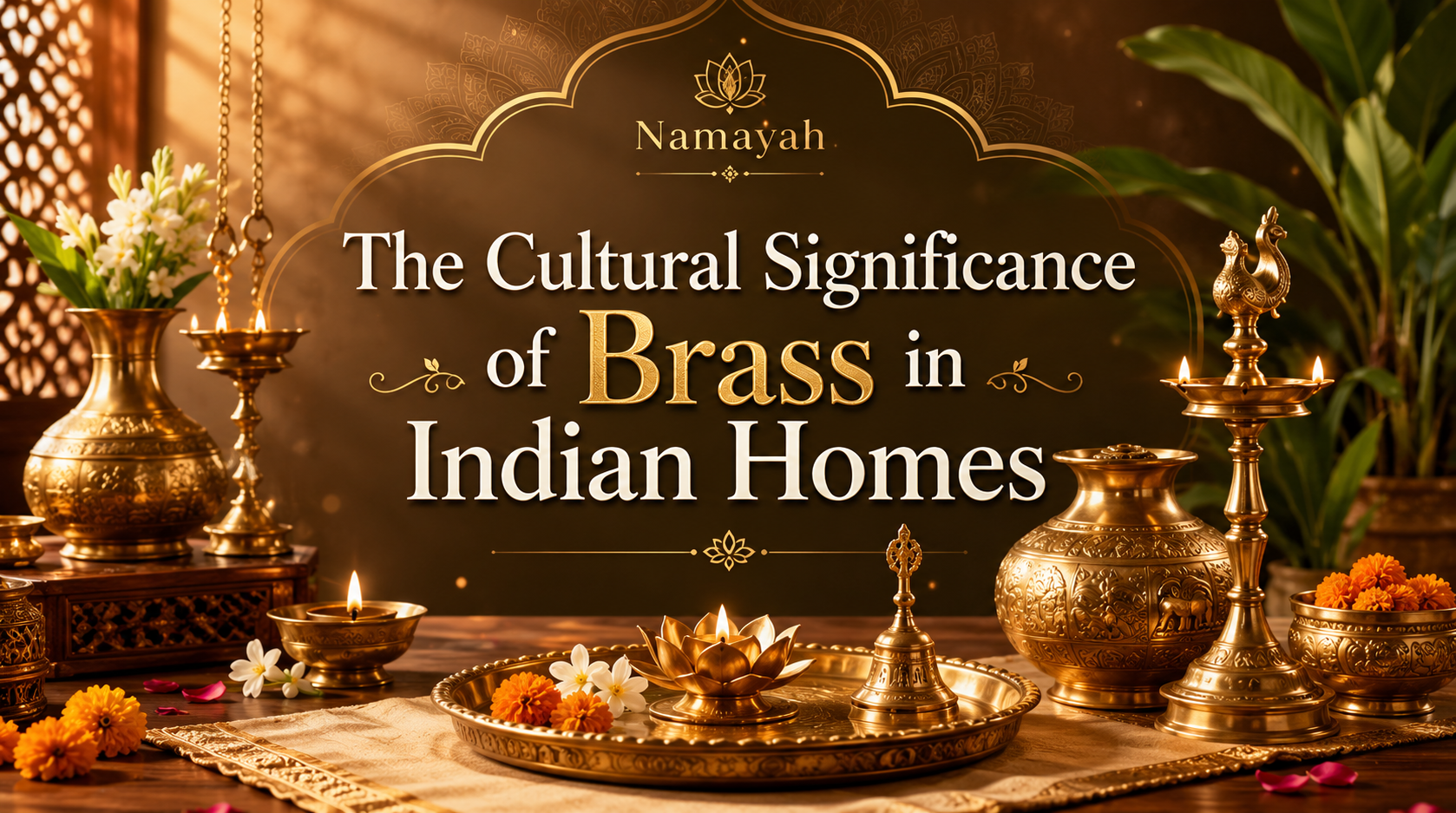
Brass has held a special place in Indian households for centuries. More than just a metal, it represents tradition, prosperity, spirituality, and family heritage. The Cultural Significance of Brass in Indian Homes is deeply woven into India’s customs, rituals, architecture, and everyday lifestyle.
From beautifully crafted lamps in temples to heirloom utensils passed down through generations, brass symbolizes continuity and reverence for tradition. Even today, despite modern materials like stainless steel and plastic, brass continues to occupy a respected place in homes across India.
Introduction to Brass in Indian Culture
Brass is an alloy primarily made from copper and zinc. Its warm golden appearance has made it an attractive alternative to gold while remaining affordable for everyday use.
For thousands of years, Indian artisans have transformed brass into:
- Lamps
- Temple bells
- Water vessels
- Cooking utensils
- Decorative figurines
- Door handles
- Religious idols
- Jewelry
- Ritual accessories
Its versatility has made it an indispensable material across regions, religions, and communities.
The Historical Journey of Brass in India
Brass craftsmanship dates back to ancient Indian civilizations. Archaeological discoveries indicate that metalworking flourished during the Indus Valley Civilization, with later dynasties perfecting brass casting techniques.
During medieval India, royal courts commissioned intricate brass sculptures, utensils, and ceremonial objects. Skilled craftsmen developed regional specialties that continue to thrive today.
Many temples across India still preserve brass lamps and idols that are hundreds of years old, demonstrating the remarkable durability of the metal.
Why Brass Became a Household Essential
Brass earned its place in Indian homes for several practical reasons.
Durability and Longevity
Unlike fragile materials, brass withstands decades of regular use. Families often inherit brass utensils and decorative pieces that remain functional for generations.
Its resistance to corrosion makes it ideal for:
- Daily cooking
- Water storage
- Religious rituals
- Decorative displays
Affordability Compared to Precious Metals
Although brass resembles gold in appearance, it is significantly more affordable. This made elegant household items accessible to families across different economic backgrounds while maintaining an aura of luxury.
Spiritual Importance of Brass in Indian Homes
Perhaps the greatest aspect of The Cultural Significance of Brass in Indian Homes lies in its religious symbolism.
Brass in Daily Worship
Nearly every traditional Hindu household contains brass items used during worship, including:
- Oil lamps (diyas)
- Bells
- Incense holders
- Kalash vessels
- Puja thalis
- Idols
Lighting a brass diya each morning and evening is believed to invite positive energy and divine blessings into the home.
Symbol of Purity and Prosperity
Brass is associated with:
- Purity
- Wealth
- Abundance
- Positive vibrations
- Spiritual discipline
During housewarming ceremonies, weddings, and religious festivals, gifting brass items is considered highly auspicious.
Brass Utensils and Traditional Cooking
Before stainless steel became common, brass utensils dominated Indian kitchens.
Ayurvedic Perspective
According to Ayurveda, storing water in brass vessels allows trace amounts of copper and zinc to infuse into the water. Traditional beliefs suggest this may help support digestion, immunity, and overall wellness. While some studies indicate copper has antimicrobial properties, these claims should not replace medical advice, and acidic foods should generally not be cooked or stored in untreated brass vessels.
Health Benefits of Brass Vessels
Traditional practices associate brass utensils with:
- Better water storage
- Long-lasting kitchenware
- Reduced bacterial growth on metal surfaces
- Preservation of traditional cooking methods
Modern users should ensure brass cookware is properly tinned (kalai) when used for cooking many foods, especially acidic dishes, to prevent unwanted metal leaching.
Brass as a Decorative Element
Brass has long enhanced the beauty of Indian interiors.
Traditional Home Décor
Popular brass décor includes:
- Hanging lamps
- Wall plates
- Sculptures
- Urli bowls
- Peacock figurines
- Temple décor
- Antique mirrors
These pieces add warmth, elegance, and cultural richness to living spaces.
Modern Interior Design Trends
Interior designers increasingly pair brass accents with:
- Minimalist furniture
- Wooden interiors
- Marble flooring
- Contemporary lighting
- Neutral color palettes
The combination of modern aesthetics and traditional craftsmanship creates timeless interiors.
Regional Brass Craftsmanship Across India
India is home to diverse brass-making traditions, each reflecting local artistry and culture.
| Region | Specialty |
|---|---|
| Moradabad, Uttar Pradesh | Decorative brassware and exports |
| Kerala | Temple lamps and ritual items |
| Rajasthan | Engraved décor and sculptures |
| Tamil Nadu | Traditional lamps and idols |
| Odisha | Brass utensils and ritual artifacts |
These regional crafts support thousands of artisans and preserve centuries-old techniques.
Brass During Festivals and Ceremonies
Brass becomes especially significant during Indian festivals.
During occasions like Diwali, Navratri, Pongal, and weddings, families often:
- Light brass diyas
- Decorate homes with brass lamps
- Use brass puja vessels
- Gift brass utensils
- Display polished brass décor
Many households polish inherited brass items before festivals as a way of honoring both tradition and ancestors.
Caring for Brass Items
Proper maintenance helps brass retain its shine for decades.
Here are a few simple tips:
- Clean regularly with a soft cloth.
- Use natural cleaners like lemon and baking soda or commercial brass polish, following product instructions.
- Dry thoroughly after washing.
- Avoid prolonged exposure to moisture.
- Store in a dry place.
- Re-tin (kalai) brass cookware when needed if it is designed for cooking.
With routine care, brass items can become treasured family heirlooms.
Sustainability and Environmental Benefits
Brass is an environmentally responsible material because it is:
- Highly recyclable
- Long-lasting
- Repairable
- Reusable
- Less likely to require frequent replacement than many disposable alternatives
Choosing brass supports sustainable consumption and reduces waste over time. Purchasing handcrafted brassware also helps sustain traditional artisan communities.
Choosing Authentic Brass Products
When buying brass items, consider these factors:
- Purchase from reputable sellers or artisan cooperatives.
- Check the weight—solid brass is generally heavier than plated alternatives.
- Look for quality craftsmanship and smooth finishing.
- Ask whether the item is solid brass or brass-plated.
- For cookware, confirm whether it is food-safe and whether tin lining is recommended or already applied.
Authentic brass products typically last for decades with proper care.
Frequently Asked Questions
1. Why is brass considered auspicious in Indian homes?
Brass is traditionally associated with purity, prosperity, and positive energy, making it a preferred material for religious rituals and ceremonial gifts.
2. Is drinking water from a brass vessel safe?
Many households traditionally store water in brass vessels. However, the vessel should be clean, well-maintained, and used according to food-safety guidance. Avoid storing acidic liquids in brass containers.
3. Can brass utensils be used for everyday cooking?
Yes, many can, but cookware intended for cooking often requires a tin lining (kalai), especially for acidic foods. Follow the manufacturer’s recommendations.
4. Why do brass items turn dark over time?
Exposure to air and moisture causes oxidation, creating a natural tarnish that can be removed through cleaning and polishing.
5. Which Indian city is famous for brass handicrafts?
Moradabad in Uttar Pradesh is widely known as India’s “Brass City” due to its extensive brass craftsmanship and exports.
6. Is brass environmentally friendly?
Yes. Brass is durable, recyclable, repairable, and can remain in use for generations, making it a sustainable choice.
Conclusion
The Cultural Significance of Brass in Indian Homes extends far beyond its attractive golden appearance. Brass embodies spirituality, craftsmanship, resilience, and a profound connection to India’s cultural heritage. Whether found in a glowing temple lamp, a cherished family heirloom, or a modern decorative accent, brass continues to bridge the past and the present.
As contemporary homeowners increasingly embrace sustainable living and meaningful décor, brass remains a timeless choice—celebrating tradition while adapting gracefully to modern lifestyles.
Learn more about India’s rich handicraft traditions: https://indianculture.gov.in/