
Choosing Authentic Brass Handicrafts: A Buyer’s Guide
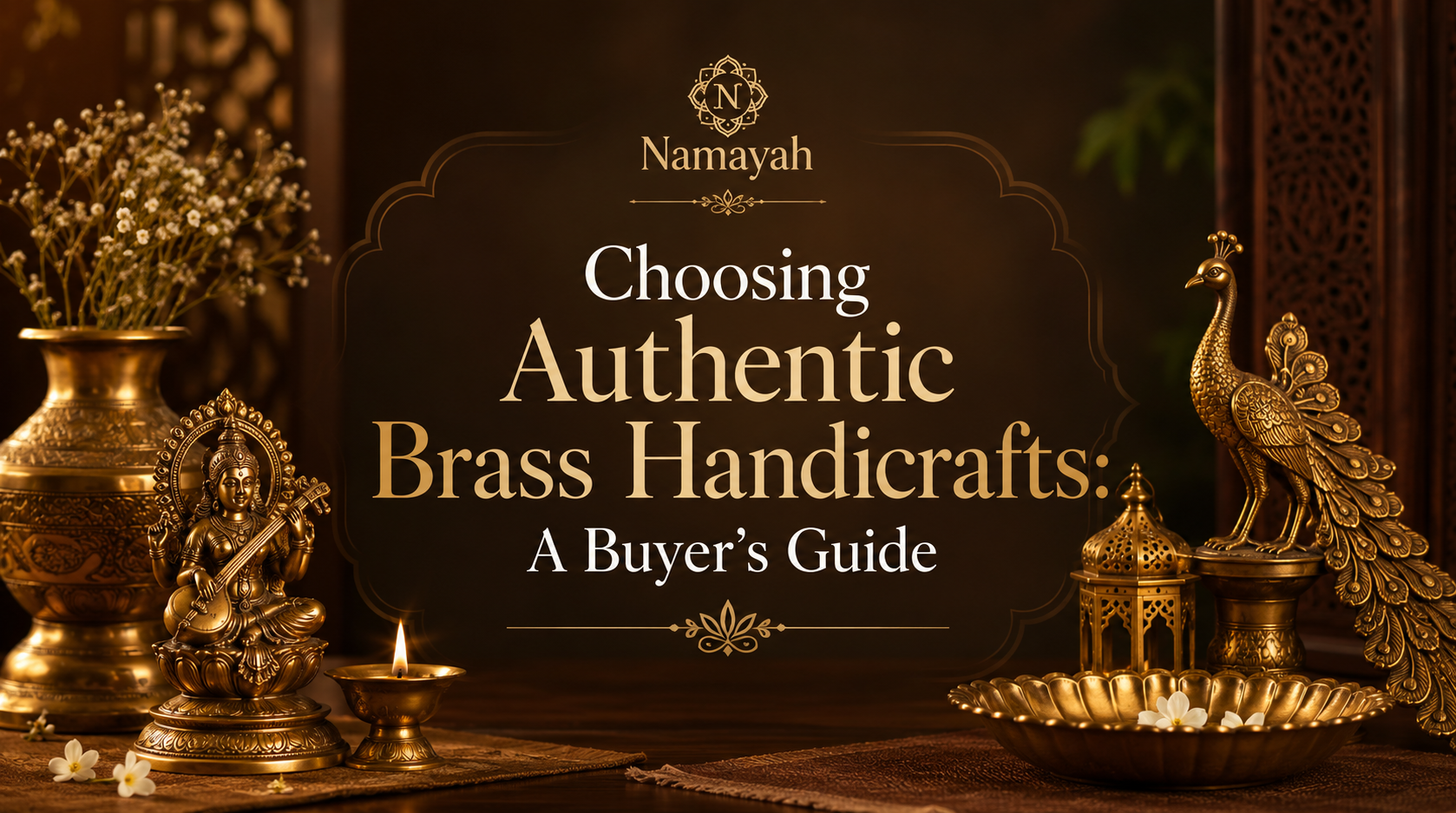
Brass handicrafts have been admired for centuries because of their timeless beauty, durability, and cultural significance. Whether you’re decorating your home, collecting traditional art, or searching for a meaningful gift, choosing authentic brass handicrafts can make all the difference. This guide explains everything you need to know before making a purchase, from identifying genuine brass to evaluating craftsmanship and ensuring you get the best value for your money.
Why Brass Handicrafts Are So Popular
Brass handicrafts combine artistic excellence with practical durability. Skilled artisans transform brass into beautiful sculptures, lamps, religious idols, bowls, figurines, wall décor, and furniture accessories that can last for generations.
Some reasons buyers love brass handicrafts include:
- Long-lasting durability
- Elegant golden appearance
- Traditional craftsmanship
- Excellent decorative value
- Strong cultural and historical importance
- Easy maintenance
Understanding What Makes Brass Authentic
Brass is an alloy primarily made from copper and zinc. The ratio of these metals determines the strength, color, and quality of the finished product.
Authentic brass handicrafts are typically:
- Solid rather than hollow (unless intentionally designed)
- Heavier than imitation pieces
- Resistant to corrosion
- Carefully finished by experienced artisans
- Made using traditional casting or hand-carving techniques
How to Identify Genuine Brass
Before purchasing, examine the product carefully.
1. Check the Weight
Real brass feels noticeably heavier than aluminum or plastic imitations with metallic coatings.
2. Look at the Color
Authentic brass has a warm golden-yellow tone rather than a bright yellow or artificial shine.
3. Use a Magnet Test
Brass is generally non-magnetic. If a strong magnet sticks firmly to the item, it may contain iron or steel beneath a brass coating.
4. Inspect the Surface
Handcrafted brass often contains tiny imperfections that reflect genuine artisan work. Machine-made copies usually have perfectly uniform finishes.
Evaluate the Craftsmanship
The beauty of brass handicrafts lies in the skill of the artisan.
Look for:
- Detailed carvings
- Symmetrical patterns
- Smooth polishing
- Balanced proportions
- Strong joints
- Clean finishing
Handmade items often possess unique characteristics that make every piece one of a kind.
Different Types of Brass Handicrafts
There is an incredible variety of brass décor available.
| Type | Common Uses |
|---|---|
| Religious idols | Home temples and gifts |
| Decorative figurines | Living room décor |
| Lamps and diyas | Festivals and worship |
| Wall hangings | Interior decoration |
| Bowls and trays | Decorative serving |
| Animal sculptures | Traditional collections |
| Bells | Spiritual and decorative purposes |
Traditional Manufacturing Methods
Many authentic brass handicrafts are created using centuries-old techniques such as:
- Sand casting
- Lost wax casting
- Hand engraving
- Hammer finishing
- Manual polishing
These methods preserve traditional craftsmanship while ensuring every product has its own distinctive character.
Questions to Ask Before Buying
Before making a purchase, consider asking:
- Is the item made of solid brass?
- Is it handcrafted or machine-made?
- Which region produced it?
- How should it be maintained?
- Does it include a certificate of authenticity if applicable?
- Is the finish polished, antique, or lacquered?
How to Avoid Fake Brass Products
Unfortunately, imitation products are common.
Watch out for:
- Extremely low prices
- Very lightweight items
- Artificial-looking gold paint
- Poor finishing
- Visible peeling or coating
- Sellers unwilling to answer questions
Buying from established artisans or reputable retailers significantly reduces the risk of purchasing counterfeit items.
Caring for Brass Handicrafts
Proper maintenance keeps brass looking beautiful for years.
Follow these simple tips:
- Dust regularly with a soft cloth.
- Avoid harsh chemicals.
- Store in a dry environment.
- Polish occasionally using brass polish or a natural lemon-and-baking-soda mixture.
- Dry thoroughly after cleaning.
Where to Buy Authentic Brass Handicrafts
Reliable sources include:
- Certified handicraft stores
- Artisan cooperatives
- Government-recognized handicraft exhibitions
- Reputable online marketplaces
- Specialty home décor retailers
Research customer reviews before purchasing online and check seller ratings whenever possible.
For more information on traditional Indian handicrafts, visit the Development Commissioner (Handicrafts) website: https://handicrafts.nic.in/
Factors That Affect Pricing
Several elements influence the price of brass handicrafts:
- Weight
- Brass purity
- Complexity of design
- Handcrafted detailing
- Artisan reputation
- Antique finish
- Size
- Production time
Remember that authentic handmade work typically costs more than mass-produced decorative pieces.
Benefits of Investing in Authentic Brass Handicrafts
Choosing genuine brass offers several long-term advantages:
- Superior durability
- Lasting aesthetic appeal
- Higher artistic value
- Support for traditional artisans
- Better resale potential
- Sustainable craftsmanship
Rather than viewing them as simple decorative objects, many collectors consider quality brass handicrafts valuable cultural investments.
Frequently Asked Questions
1. How can I tell if brass handicrafts are genuine?
Check the weight, color, magnetic response, finish, and craftsmanship. Genuine brass is typically heavy, non-magnetic, and beautifully detailed.
2. Do brass handicrafts tarnish over time?
Yes. Brass naturally develops a patina with age, which many collectors appreciate. Regular polishing restores its original shine if desired.
3. Are handcrafted brass products expensive?
Prices vary depending on size, craftsmanship, and material quality. Handmade pieces usually cost more because of the skill and time involved.
4. Can brass handicrafts be used outdoors?
They can, but prolonged exposure to moisture and weather may accelerate tarnishing. Protective coatings help extend their lifespan outdoors.
5. Are brass handicrafts good gift options?
Absolutely. Brass items make elegant gifts for weddings, anniversaries, festivals, housewarmings, and corporate occasions.
6. How often should brass items be polished?
This depends on the environment and personal preference. Light polishing every few months is usually sufficient for indoor decorative pieces.
Conclusion
Choosing authentic brass handicrafts requires careful attention to material quality, craftsmanship, and seller credibility. By checking the weight, finish, detailing, and manufacturing methods, you can confidently select pieces that are both beautiful and durable. Authentic brass handicrafts are more than decorative items—they represent centuries of artistic tradition, skilled craftsmanship, and cultural heritage. Investing in genuine pieces not only enhances your living space but also supports the artisans who keep these timeless traditions alive.