
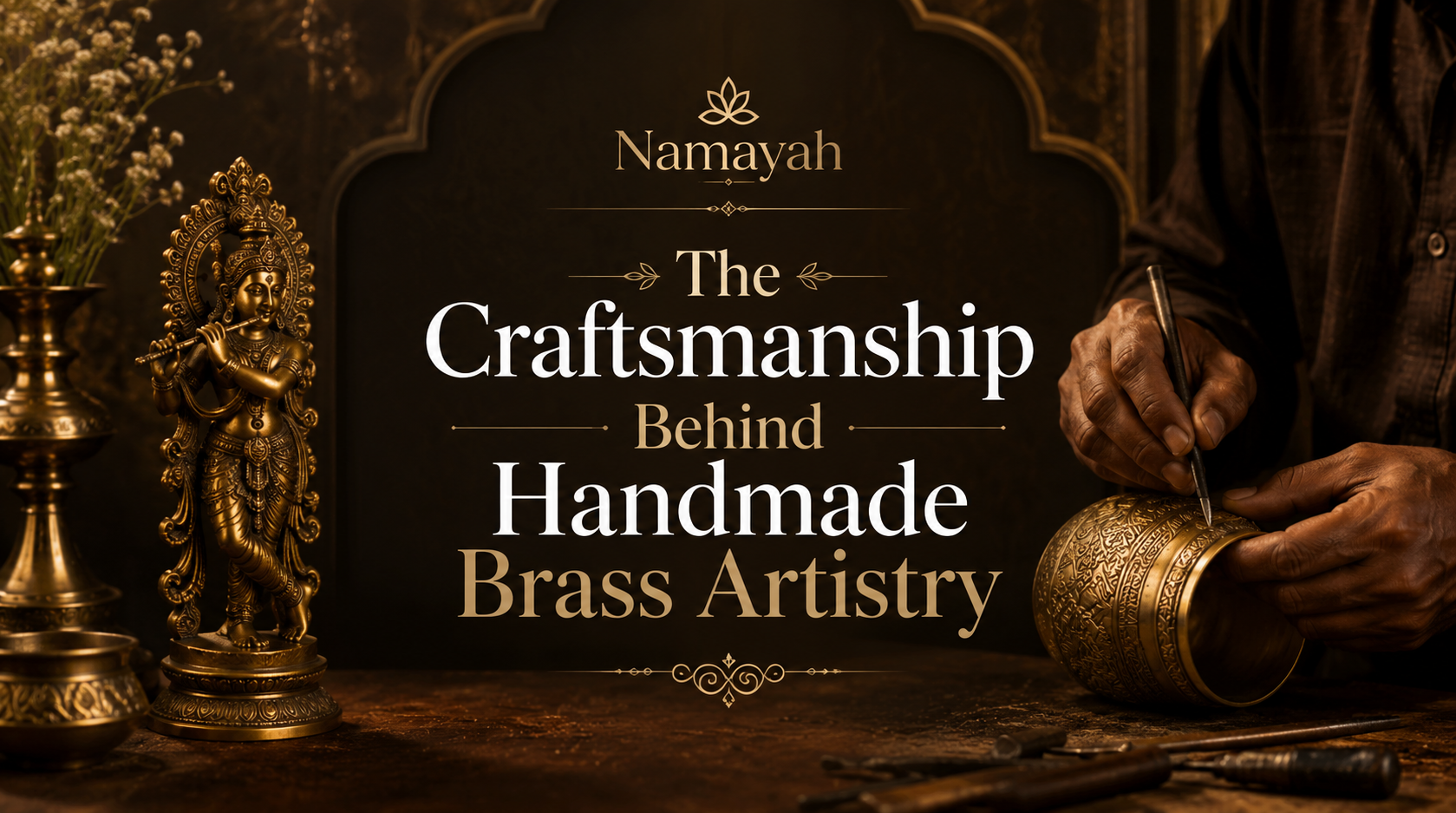
The Craftsmanship Behind Handmade Brass Artistry
Introduction
The Craftsmanship Behind Handmade Brass Artistry is a remarkable story of patience, creativity, and generations of knowledge passed from one artisan to another. Every handcrafted brass object reflects countless hours of skilled labor, artistic vision, and technical expertise. Unlike factory-made products, handmade brass pieces possess unique textures, intricate details, and subtle imperfections that give each creation its own character.
Today, handmade brass artistry continues to captivate collectors, interior designers, architects, and homeowners who appreciate authentic craftsmanship. Whether displayed as decorative sculptures, lamps, utensils, jewelry, or religious artifacts, handcrafted brass pieces combine beauty with durability.
This guide explores every aspect of handmade brass artistry—from its rich history to modern innovations—helping you understand why this timeless craft remains highly valued worldwide.
What Is Handmade Brass Artistry?
Handmade brass artistry refers to decorative or functional objects crafted primarily by skilled artisans using traditional hand tools and techniques rather than automated manufacturing processes.
Brass itself is an alloy made from copper and zinc. Its attractive golden appearance, corrosion resistance, strength, and workability make it ideal for artistic creations.
Examples include:
- Decorative bowls
- Sculptures
- Wall décor
- Candle holders
- Temple accessories
- Musical instruments
- Jewelry
- Furniture accents
- Door handles
- Traditional utensils
Every handcrafted piece carries the artisan’s personal touch, making no two items exactly identical.
A Brief History of Brass Craftsmanship
Brass has been used for thousands of years. Ancient civilizations discovered that mixing copper with zinc created a stronger and more attractive metal suitable for decorative and practical applications.
Throughout history, brass became popular because of its:
- Rich golden appearance
- Excellent durability
- Resistance to corrosion
- Easy shaping properties
Many cultures developed unique brass-working traditions that continue today through family workshops and artisan communities.
Historical brass craftsmanship has decorated palaces, temples, churches, mosques, and royal residences for centuries.
Why Handmade Brass Artistry Remains Valuable
Handcrafted brass continues to hold exceptional value for several reasons.
Unique Design
Every handmade piece differs slightly, making each creation one of a kind.
Superior Quality
Artisans carefully inspect every stage of production, ensuring excellent workmanship.
Cultural Heritage
Many techniques have been preserved across generations, representing centuries of artistic tradition.
Long Lifespan
Properly maintained brass can last for decades—or even centuries.
Investment Value
Authentic handcrafted brass often appreciates in value due to its rarity and craftsmanship.
Raw Materials Used in Brass Art
Creating premium brass artwork begins with selecting quality raw materials.
Common materials include:
| Material | Purpose |
| Copper | Primary base metal |
| Zinc | Strength and color |
| Natural wax | Pattern creation |
| Clay molds | Casting |
| Sand molds | Shaping |
| Polishing compounds | Surface finishing |
The balance between copper and zinc determines the final appearance, strength, and color of the brass.
Traditional Tools Used by Artisans
Although modern workshops may use power tools for certain tasks, many artisans still rely on traditional equipment.
Common tools include:
- Hand hammers
- Chisels
- Engraving tools
- Files
- Metal punches
- Polishing wheels
- Hand drills
- Measuring instruments
- Wooden mallets
- Metal anvils
Master artisans often customize their own tools based on decades of experience.
The Craftsmanship Behind Handmade Brass Artistry: Step-by-Step Process
Creating handcrafted brass is a detailed process requiring precision, patience, and years of practice.
1. Designing
Every project starts with sketches and detailed design planning.
Artisans determine:
- Dimensions
- Decorative patterns
- Structural balance
- Functional requirements
- Artistic style
Some designs are inspired by nature, mythology, architecture, or cultural traditions.
2. Melting and Casting
Brass is heated to high temperatures until fully molten.
The liquid metal is carefully poured into prepared molds.
This stage requires precise temperature control to avoid defects such as air bubbles or uneven surfaces.
Once cooled, the casting is removed from the mold.
3. Hammering and Shaping
Hammering gives brass its final form.
This process may take several hours—or even days—for highly detailed pieces.
Repeated hammering:
- Strengthens the metal
- Creates texture
- Defines curves
- Refines proportions
Experienced artisans know exactly how much force each strike requires.
4. Engraving
Engraving transforms plain brass into intricate artwork.
Popular motifs include:
- Floral vines
- Geometric patterns
- Religious symbols
- Birds
- Animals
- Traditional borders
- Cultural storytelling scenes
This stage demands extraordinary hand control and artistic precision.
5. Polishing and Finishing
Finally, artisans polish the brass to reveal its beautiful golden shine.
Depending on the desired appearance, they may create:
- High gloss finishes
- Antique finishes
- Matte textures
- Brushed surfaces
Protective coatings may also be applied to slow natural tarnishing.
Famous Brass Craft Traditions Around the World
Many regions are celebrated for their distinctive brass craftsmanship.
Examples include:
- India’s traditional engraved brassware
- Morocco’s decorative lanterns
- Turkey’s hammered serving trays
- Nepal’s religious sculptures
- Italy’s ornamental hardware
Each region contributes unique artistic styles shaped by local history and culture.
The Role of Skilled Artisans
Behind every handcrafted brass masterpiece stands an experienced artisan.
Years of training help craftspeople master:
- Metal behavior
- Tool control
- Pattern design
- Surface finishing
- Quality inspection
Many workshops continue as family businesses, preserving techniques that have survived for generations.
Handmade vs. Machine-Made Brass Products
| Handmade Brass | Machine-Made Brass |
| Unique pieces | Mass-produced |
| Fine detailing | Uniform appearance |
| Artisan craftsmanship | Automated manufacturing |
| Higher artistic value | Lower individuality |
| Supports local artisans | Industrial production |
While machine-made products provide consistency, handmade brass offers authenticity and artistic expression.
Sustainability and Eco-Friendly Benefits
Handmade brass craftsmanship supports sustainability in several ways.
Reduced Waste
Artisans often recycle brass scraps into new creations.
Long Product Life
Durable brass reduces replacement frequency.
Local Production
Small workshops often rely on local resources and skilled labor, reducing transportation impacts.
Repairability
Handcrafted brass can often be restored instead of discarded.
These qualities make handmade brass an environmentally responsible choice.
Caring for Handmade Brass Items
Proper maintenance preserves beauty for many years.
Helpful care tips include:
- Dust regularly with a soft cloth.
- Avoid harsh chemicals.
- Clean using mild soap and warm water.
- Dry immediately after washing.
- Polish occasionally with brass-safe products.
- Store in dry environments.
- Handle decorative items carefully to avoid scratches.
With routine care, brass develops a beautiful natural patina that many collectors appreciate.
Choosing Authentic Handmade Brass Pieces
When purchasing handcrafted brass, consider the following:
- Visible hand-finished details
- Slight variations that indicate manual work
- Quality engraving
- Solid construction
- Reputable artisan workshops
- Fair pricing that reflects craftsmanship
Buying authentic handmade brass helps preserve traditional skills and supports artisan livelihoods.
The Future of Handmade Brass Artistry
Despite advances in automation, handmade brass artistry continues to thrive.
Growing interest in sustainable products, handmade décor, and cultural heritage has increased appreciation for artisan-made creations. Many craftspeople now combine traditional methods with modern design, reaching global audiences through online marketplaces and exhibitions.
Educational programs, craft fairs, and cultural organizations also play an important role in encouraging younger generations to learn these valuable skills, ensuring that this timeless tradition continues well into the future.
Frequently Asked Questions
1. What makes handmade brass different from machine-made brass?
Handmade brass is individually crafted by skilled artisans, resulting in unique details and superior artistic value.
2. Does brass tarnish over time?
Yes. Brass naturally develops a patina, which many people find attractive. Regular polishing can restore its shine if desired.
3. Is handmade brass environmentally friendly?
Yes. Brass is recyclable, durable, and often produced in small workshops that minimize waste.
4. How long does handmade brass last?
With proper care, handcrafted brass items can last for decades and may even become treasured heirlooms.
5. Can handmade brass be used every day?
Absolutely. Many brass utensils, hardware pieces, and decorative objects are designed for regular use while retaining their beauty.
6. How can I identify authentic handmade brass?
Look for subtle variations, detailed hand engraving, solid construction, and purchase from trusted artisans or reputable craft sellers.
Conclusion
The Craftsmanship Behind Handmade Brass Artistry is more than a manufacturing process—it is a living tradition that celebrates creativity, precision, and cultural heritage. Every handcrafted brass piece tells a story of dedication, skill, and artistic excellence developed over generations.
As consumers increasingly value authenticity and sustainability, handmade brass continues to stand apart from mass-produced alternatives. By choosing handcrafted brass products, you not only acquire a beautiful and durable work of art but also support talented artisans who keep centuries-old traditions alive.
Whether you’re decorating a home, collecting fine crafts, or searching for a meaningful gift, handmade brass artistry offers timeless elegance that never goes out of style.