
How to Care for and Maintain Brass Handicrafts
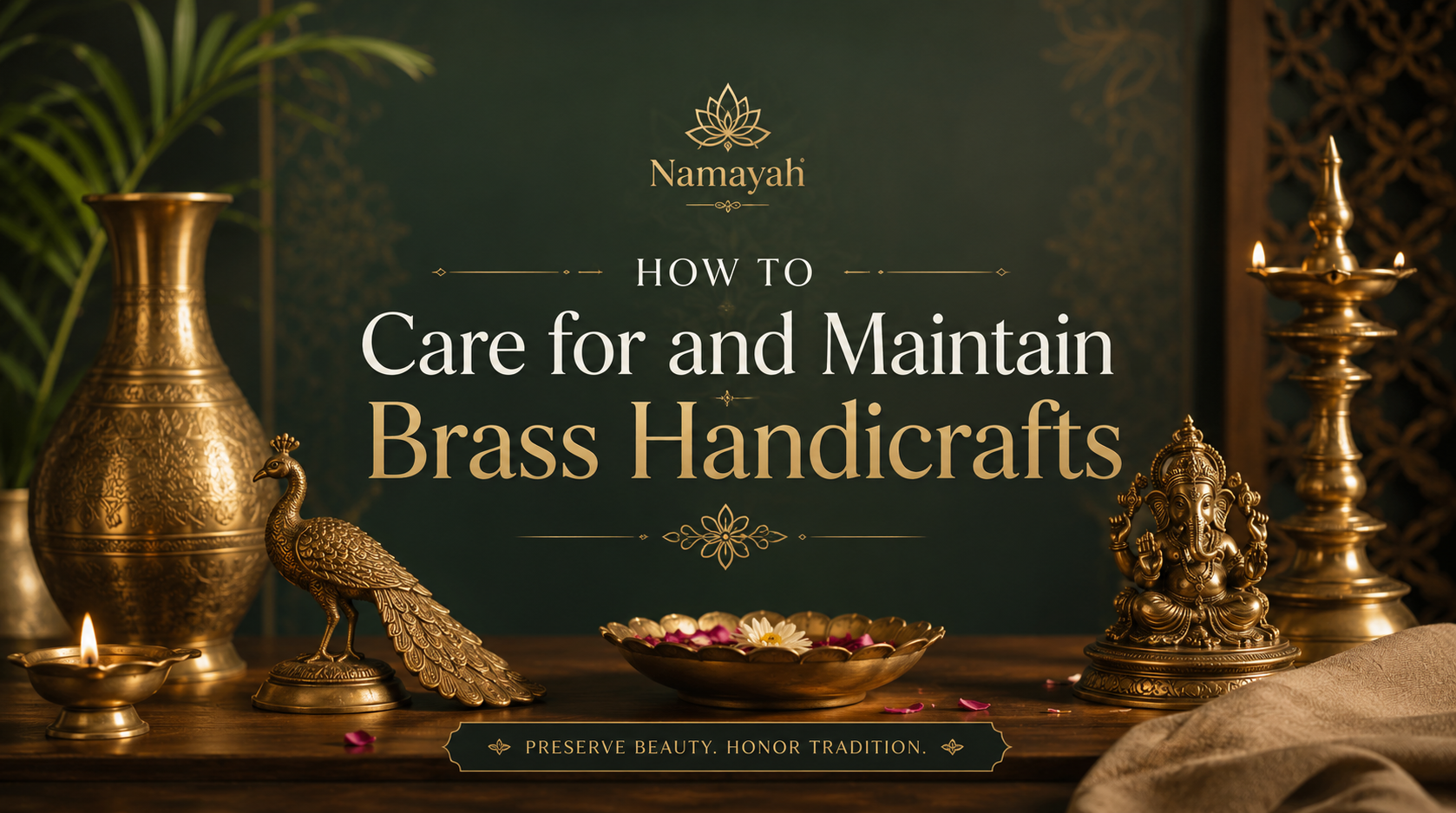
Brass handicrafts have been treasured for centuries because of their timeless beauty, durability, and artistic appeal. Whether it’s an intricately carved statue, decorative bowl, lamp, vase, or traditional home décor piece, brass items can become lifelong heirlooms when properly maintained.
If you’ve ever wondered How to Care for and Maintain Brass Handicrafts, you’re in the right place. This comprehensive guide explains everything you need to know—from routine cleaning and polishing to preventing tarnish and storing your treasured brass items correctly.
Brass handicrafts combine elegance with durability. Skilled artisans transform brass into beautiful decorative pieces that complement both modern and traditional interiors.
Unlike many decorative materials, brass develops character over time. While some people appreciate its natural patina, others prefer maintaining its bright golden shine. With proper care, either look can be preserved.
What Are Brass Handicrafts?
Brass is an alloy primarily made from copper and zinc. It offers excellent strength, corrosion resistance, and an attractive golden appearance.
Popular brass handicrafts include:
- Decorative statues
- Religious idols
- Wall hangings
- Lamps
- Bowls
- Candle holders
- Animal figurines
- Vases
- Door handles
- Decorative trays
These handcrafted pieces are appreciated worldwide for their craftsmanship and longevity.
Benefits of Brass Handicrafts
Brass remains one of the most popular decorative metals because it offers numerous advantages.
Exceptional Durability
Properly maintained brass can last for generations.
Elegant Appearance
Its warm golden finish enhances any décor style.
Low Maintenance
Routine cleaning is usually sufficient.
Eco-Friendly
Brass is recyclable, making it a sustainable decorative material.
High Artistic Value
Many brass handicrafts are handmade by skilled artisans using traditional techniques.
Why Brass Tarnishes
Understanding why brass changes color helps you care for it properly.
Brass reacts with:
- Oxygen
- Moisture
- Air pollutants
- Finger oils
- Humidity
These reactions create oxidation, commonly called tarnish.
Fortunately, tarnish is usually only surface-level and can often be removed safely.
How to Care for and Maintain Brass Handicrafts
The secret to beautiful brass lies in consistent maintenance rather than occasional deep cleaning.
1. Dust Regularly
Use:
- Microfiber cloth
- Soft cotton cloth
- Feather duster
Removing dust prevents dirt buildup that may dull the finish.
2. Handle with Clean Hands
Natural skin oils leave fingerprints that eventually cause discoloration.
Whenever possible:
- Wash hands before handling.
- Use cotton gloves for valuable or antique pieces.
3. Keep Brass Dry
Moisture speeds up oxidation.
After cleaning:
- Dry immediately with a soft towel.
- Never allow water to sit on the surface.
4. Avoid Harsh Chemicals
Do not use:
- Bleach
- Ammonia
- Strong acids
- Abrasive powders
- Steel wool
These products may permanently damage the finish.
5. Clean Monthly
Most indoor brass items only need a thorough cleaning once every month.
Heavily used pieces may require more frequent care.
Best Cleaning Supplies
Safe cleaning materials include:
- Mild dish soap
- Warm water
- Soft microfiber cloth
- Cotton towel
- Soft-bristle toothbrush
- Lemon
- White vinegar
- Baking soda
Avoid abrasive scrubbers.
Step-by-Step Cleaning Process
Step 1
Remove loose dust.
Step 2
Mix warm water with a few drops of mild dish soap.
Step 3
Dip a soft cloth into the solution.
Step 4
Wipe gently.
Step 5
Use a soft toothbrush for intricate carvings.
Step 6
Rinse with a damp cloth.
Step 7
Dry immediately.
This simple process removes everyday dirt without harming the brass.
Natural Brass Cleaning Methods
Many homeowners prefer natural cleaning solutions.
Lemon and Salt
Cut a lemon.
Sprinkle salt.
Rub gently.
Rinse and dry.
Vinegar and Flour Paste
Mix:
- White vinegar
- Flour
- Salt
Apply the paste.
Leave for 20–30 minutes.
Wipe clean.
Dry thoroughly.
Baking Soda Paste
Mix baking soda with water into a thick paste.
Apply gently.
Buff lightly.
Rinse.
Dry immediately.
When to Use Commercial Brass Cleaners
Commercial cleaners work well for heavily tarnished brass.
Before using:
- Read manufacturer instructions.
- Test on a hidden area.
- Avoid excessive polishing.
Over-polishing may gradually wear away protective finishes.
How to Polish Brass
Polishing restores the original golden shine.
Use:
- Soft polishing cloth
- Brass polish
- Circular motions
- Gentle pressure
Finish by buffing with a clean microfiber cloth.
Avoid polishing lacquered brass unless the protective coating has already been removed.
Mistakes to Avoid
Many brass items become damaged because of improper care.
Avoid:
- Dishwasher cleaning
- Soaking for long periods
- Wire brushes
- Steel wool
- Sandpaper
- Strong chemical cleaners
- Outdoor storage without protection
These mistakes can permanently scratch or discolor brass.
Proper Storage Tips
If storing brass handicrafts:
- Wrap individually in soft cotton.
- Store in a dry location.
- Avoid humid basements.
- Use silica gel packets when appropriate.
- Keep away from direct sunlight for extended periods.
Proper storage significantly slows oxidation.
Special Care for Antique Brass Handicrafts
Antique brass deserves extra attention.
Do not aggressively polish antique items because the natural patina often contributes to their historical and monetary value.
Instead:
- Dust gently.
- Clean minimally.
- Consult a professional conservator for valuable collectibles.
Seasonal Maintenance Checklist
Every few months:
- Inspect for tarnish.
- Remove accumulated dust.
- Check decorative joints.
- Polish only when necessary.
- Replace protective storage materials if needed.
Routine inspections help prevent long-term damage.
Quick Maintenance Checklist
| Task | Frequency |
| Dusting | Weekly |
| Gentle cleaning | Monthly |
| Polishing | Every 3–6 months (or as needed) |
| Storage inspection | Every season |
| Deep cleaning | Once or twice a year |
Frequently Asked Questions
1. Can brass handicrafts be washed with water?
Yes. Use mild soapy water and dry them immediately afterward.
2. Why does brass turn dark?
Exposure to oxygen, moisture, and oils causes oxidation, which creates tarnish.
3. Can toothpaste clean brass?
Some people use non-gel toothpaste, but it may contain mild abrasives. Purpose-made brass cleaners or gentle homemade solutions are generally safer.
4. Should I polish brass every week?
No. Excessive polishing can wear down the surface. Polish only when necessary.
5. Is the green color on brass harmful?
The green layer (verdigris) is a form of corrosion. While not usually dangerous to touch in small amounts, it should be cleaned from decorative items to preserve the metal.
6. How can I prevent fingerprints on brass?
Handle brass with clean hands or cotton gloves, and wipe fingerprints away promptly with a soft microfiber cloth.
Conclusion
Learning How to Care for and Maintain Brass Handicrafts is the key to preserving their beauty, craftsmanship, and value for generations. Regular dusting, gentle cleaning, proper storage, and occasional polishing are usually all that’s needed to keep brass décor looking its best.
Whether you own modern decorative pieces or treasured antiques, consistent maintenance will protect your investment and ensure each item continues to enhance your home with its timeless charm.