
Why Handcrafted Wooden Products Are Worth the Investment
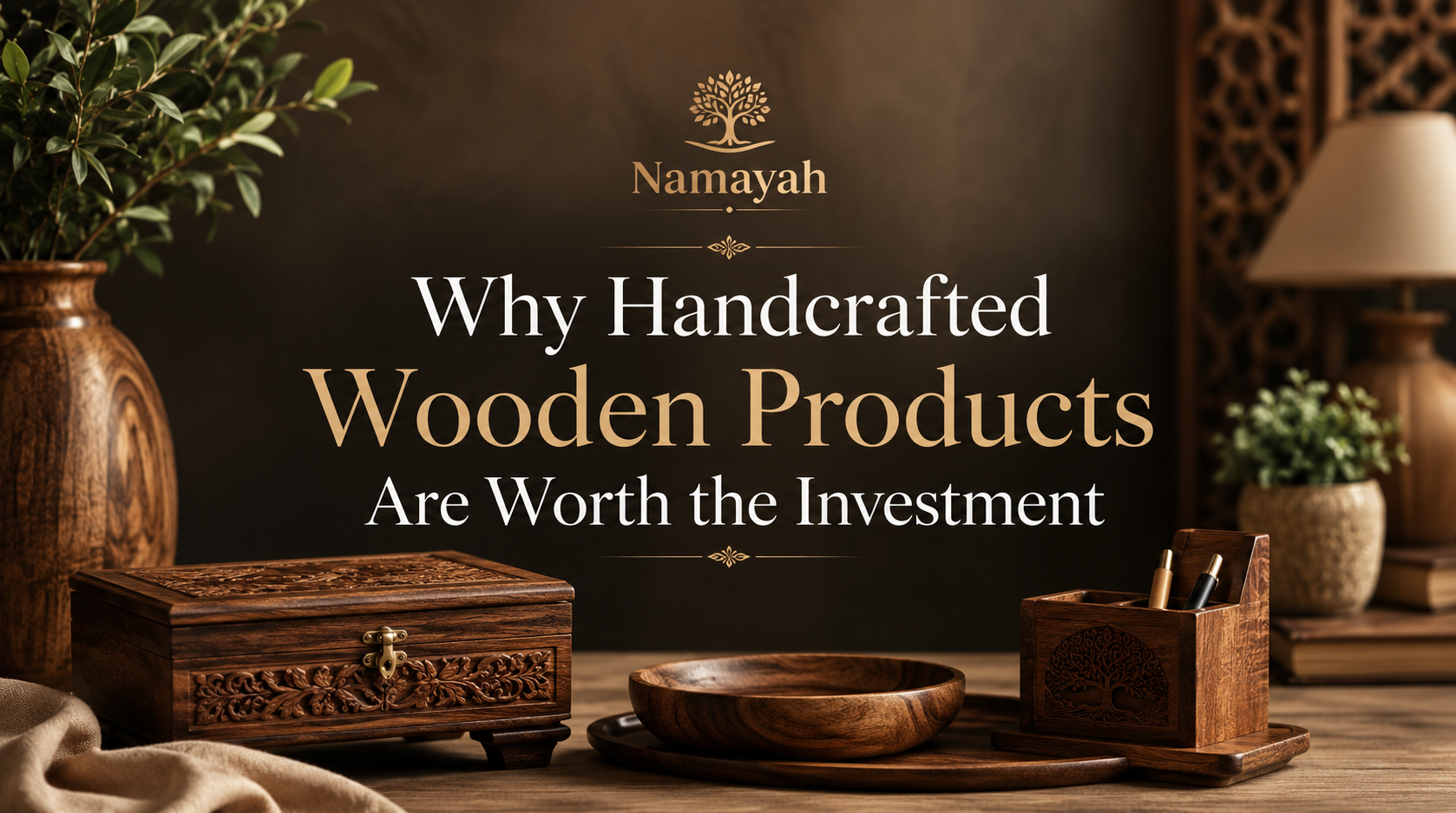
Introduction to Handcrafted Wooden Products
In a world dominated by mass production and disposable consumer goods, handcrafted wooden products stand out as symbols of quality, authenticity, and timeless beauty. From custom furniture and decorative accents to kitchen utensils and storage solutions, these items are carefully created by skilled artisans who dedicate time and expertise to every detail.
Understanding Why Handcrafted Wooden Products Are Worth the Investment goes beyond simply appreciating their appearance. These products offer exceptional durability, unique character, environmental benefits, and long-term value that many factory-made alternatives cannot match. While the initial cost may be higher, the advantages often outweigh the expense over time.
The Growing Appeal of Handmade Woodcraft
The popularity of handmade wooden goods has increased significantly as consumers seek products with meaning and longevity.
Understanding the Difference Between Handmade and Mass-Produced Items
Mass-produced products are typically manufactured in large quantities using automated machinery. The primary goal is efficiency and cost reduction. While this approach makes products affordable, it can compromise quality and uniqueness.
Handcrafted wooden products, on the other hand, are made with individual attention. Artisans carefully select materials, shape components, and apply finishing techniques that ensure every piece is distinctive.
The Artistry Behind Traditional Woodworking
Woodworking is one of humanity’s oldest crafts. Many artisans continue to use traditional techniques passed down through generations. These methods require patience, skill, and a deep understanding of wood characteristics.
The result is not just a product but a work of art that reflects craftsmanship and dedication.
Superior Quality and Craftsmanship
One of the strongest arguments for Why Handcrafted Wooden Products Are Worth the Investment is their superior quality.
Attention to Detail in Every Piece
Handmade wooden products receive careful inspection throughout the creation process. Artisans can identify and correct imperfections that automated systems may overlook.
This meticulous approach often results in:
- Better construction quality
- Stronger joints and connections
- Smoother finishes
- Enhanced visual appeal
- Improved functionality
Skilled Artisans and Generational Expertise
Many woodworkers spend years mastering their craft. Their knowledge includes:
| Skill Area | Benefit |
|---|---|
| Wood Selection | Improved durability |
| Joinery Techniques | Greater structural strength |
| Finishing Methods | Better protection and appearance |
| Design Expertise | Enhanced aesthetics and functionality |
These skills contribute directly to the overall quality of handcrafted wooden products.
Durability That Stands the Test of Time
High-Quality Materials and Sustainable Wood Selection
Artisans often prioritize premium hardwoods and responsibly sourced materials. Woods such as oak, walnut, maple, cherry, and teak are known for their strength and longevity.
Unlike inexpensive manufactured materials, quality wood can withstand years of daily use while maintaining its appearance.
Long-Term Value Compared to Disposable Alternatives
Although handcrafted wooden products may require a larger upfront investment, their lifespan often far exceeds that of cheaper alternatives.
Consider this comparison:
| Product Type | Average Lifespan |
|---|---|
| Low-Cost Particleboard Furniture | 3–7 Years |
| Quality Handcrafted Hardwood Furniture | 20–100+ Years |
Over time, replacing inexpensive items repeatedly can cost more than investing in a well-made handcrafted product.
Unique Designs That Reflect Personality
Customization and Personal Expression
Handcrafted wooden products often offer customization options unavailable in mass-produced goods.
Customers may choose:
- Specific wood species
- Dimensions
- Finishes
- Engravings
- Design elements
This flexibility allows buyers to own products that align perfectly with their preferences and needs.
One-of-a-Kind Features and Natural Grain Patterns
No two pieces of wood are identical. Natural grain patterns, color variations, and textures create unique characteristics in every handcrafted item.
This individuality adds charm and exclusivity that cannot be replicated by factory production.
Environmental Benefits of Handmade Wooden Products
Sustainable Sourcing Practices
Many artisans prioritize environmentally responsible practices by sourcing wood from sustainably managed forests.
Organizations such as the Forest Stewardship Council promote responsible forestry management that helps protect ecosystems for future generations.
Reduced Carbon Footprint Compared to Factory Manufacturing
Handcrafted production often involves:
- Smaller-scale operations
- Reduced energy consumption
- Less industrial waste
- Minimal packaging requirements
These factors contribute to a lower environmental impact compared to large-scale manufacturing facilities.
Supporting Local Artisans and Small Businesses
Preserving Traditional Craftsmanship
Purchasing handcrafted wooden products helps sustain valuable skills that might otherwise disappear. Supporting artisans encourages the continuation of woodworking traditions and cultural heritage.
Strengthening Local Economies
When consumers buy from local craftspeople, more money remains within the community. This support creates jobs, encourages entrepreneurship, and contributes to economic growth.
Financial Value and Return on Investment
Cost Versus Lifetime Value
Evaluating handcrafted wooden products solely by purchase price can be misleading.
A better approach is considering:
- Product lifespan
- Maintenance requirements
- Repairability
- Resale potential
- Daily utility
Many handmade wooden products provide decades of reliable service, making them highly cost-effective over time.
Potential for Appreciation and Heirloom Status
Exceptional handcrafted pieces can become family heirlooms passed down through generations.
In some cases, products created by respected artisans may even increase in value due to rarity, craftsmanship, and demand.
Popular Types of Handcrafted Wooden Products
Furniture
Popular examples include:
- Dining tables
- Coffee tables
- Bookshelves
- Bed frames
- Cabinets
Home Décor
Common decorative items include:
- Wall art
- Picture frames
- Wooden clocks
- Decorative bowls
- Plant stands
Kitchenware and Functional Items
Many consumers appreciate handcrafted:
- Cutting boards
- Serving trays
- Utensils
- Spice racks
- Storage boxes
These products combine practicality with aesthetic appeal.
How to Identify Genuine Handcrafted Wooden Products
Signs of Authentic Craftsmanship
Look for:
- Visible grain variation
- Strong joinery
- Smooth finishing
- Artisan signatures or branding
- Customization options
Questions to Ask Before Purchasing
Before buying, consider asking:
- What type of wood was used?
- Is the wood sustainably sourced?
- What finishing methods were applied?
- Can repairs be made if needed?
- Was the item handmade or partially machine-produced?
Common Misconceptions About Handmade Wooden Goods
Several myths discourage consumers from investing in handcrafted products.
| Misconception | Reality |
|---|---|
| Handmade products are overpriced | They often deliver greater lifetime value |
| Handmade means fragile | Quality craftsmanship usually improves durability |
| All wooden products are the same | Material quality and construction vary significantly |
| Handmade items require excessive maintenance | Basic care is often sufficient |
Understanding these distinctions helps buyers make informed purchasing decisions.
Tips for Maintaining Handcrafted Wooden Products
Proper care extends the life of handcrafted wooden items.
Recommended practices include:
- Dust regularly with a soft cloth
- Avoid prolonged moisture exposure
- Keep away from direct sunlight
- Use protective pads under heavy objects
- Apply wood conditioners when recommended
With proper maintenance, many handcrafted wooden products can last for generations.
Frequently Asked Questions (FAQs)
1. Why are handcrafted wooden products more expensive?
They require skilled labor, premium materials, and significantly more time to create than mass-produced alternatives.
2. Are handcrafted wooden products environmentally friendly?
Many are, especially when made from sustainably sourced wood and produced using low-impact methods.
3. Do handmade wooden products last longer?
Yes. High-quality materials and expert craftsmanship often result in exceptional durability.
4. Can handcrafted wooden furniture be customized?
In many cases, yes. Artisans frequently offer options for size, finish, wood type, and design details.
5. Are handcrafted wooden products a good investment?
They can be. Their durability, repairability, uniqueness, and potential heirloom value often justify the initial cost.
6. How can I verify authenticity before purchasing?
Ask about the manufacturing process, materials used, and the artisan’s background. Authentic makers are usually transparent about their work.
Conclusion
When examining Why Handcrafted Wooden Products Are Worth the Investment, the answer becomes clear. These products offer unmatched craftsmanship, durability, individuality, and environmental benefits. Unlike mass-produced alternatives that may need frequent replacement, handcrafted wooden items are built to endure and often become cherished possessions.
Whether you’re furnishing a home, searching for a meaningful gift, or investing in timeless décor, handcrafted wooden products provide long-term value that extends far beyond their purchase price. By choosing handmade woodcraft, you’re not only acquiring a beautiful and functional item but also supporting skilled artisans, sustainable practices, and a tradition of craftsmanship that deserves to thrive.
For more information about sustainable forestry and responsible wood sourcing, visit the official website of the Forest Stewardship Council: https://fsc.org