
The Difference Between Handmade and Machine-Made Wooden Décor
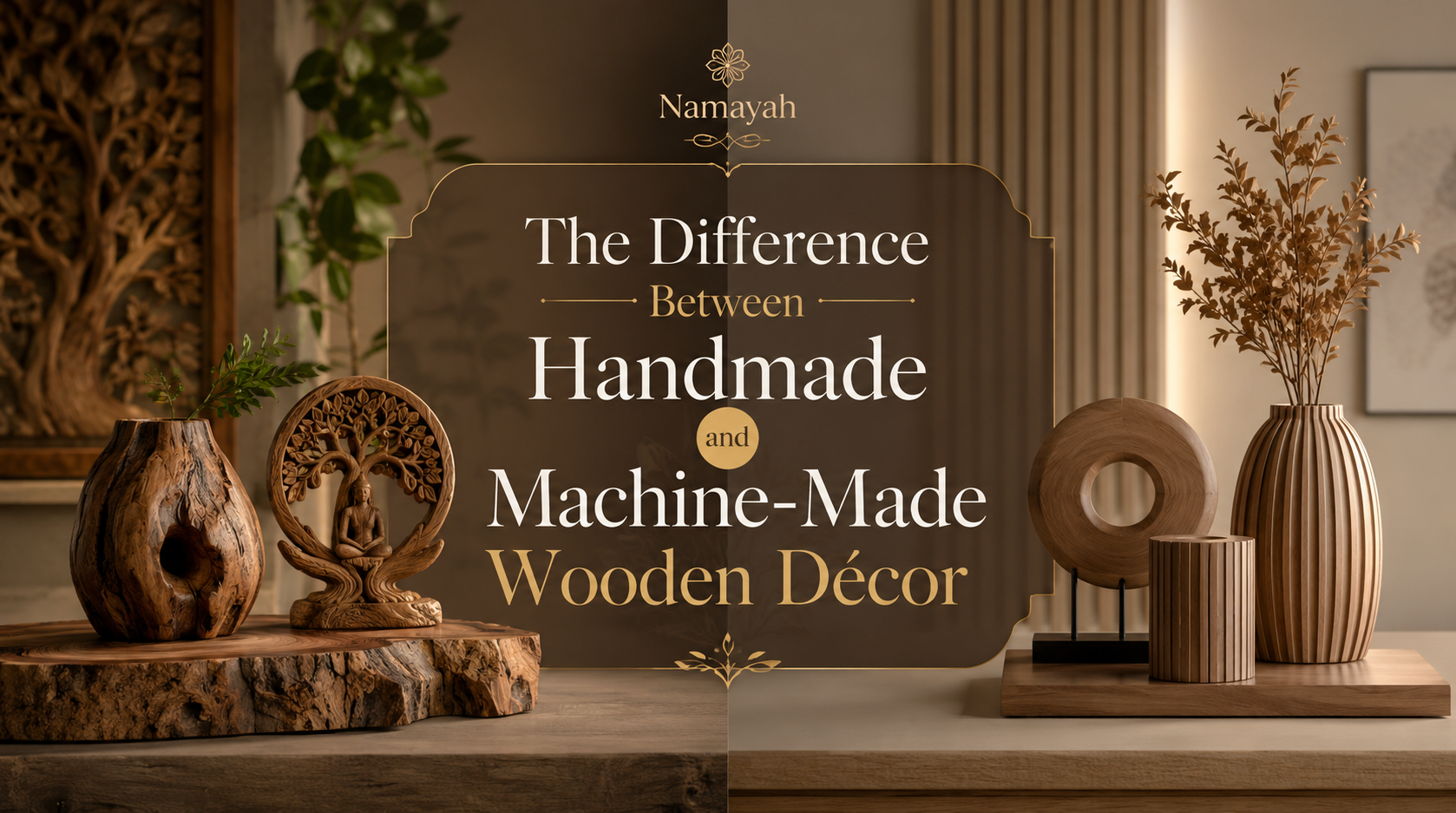
Wooden décor has remained a timeless choice for homeowners, interior designers, and collectors for centuries. Whether it’s a rustic wall hanging, a carved sculpture, a decorative tray, or an elegant centerpiece, wood adds warmth and character to any space. However, when shopping for wooden decorations, many buyers face an important question: what is The Difference Between Handmade and Machine-Made Wooden Décor?
Understanding these differences can help you make a more informed purchase decision based on your budget, style preferences, durability requirements, and appreciation for craftsmanship. In this guide, we’ll explore every aspect of handmade and machine-made wooden décor to help you determine which option best suits your needs.
Introduction to Wooden Décor
Wooden décor encompasses a wide range of decorative products crafted from natural wood. These items are used to enhance the visual appeal of homes, offices, hotels, restaurants, and public spaces.
Popular examples include:
- Wooden wall art
- Decorative bowls
- Carved figurines
- Wooden clocks
- Picture frames
- Shelves
- Centerpieces
- Candle holders
The manufacturing method significantly impacts the appearance, value, and uniqueness of these decorative items.
Understanding Handmade Wooden Décor
Handmade wooden décor refers to products created primarily by skilled artisans using traditional woodworking tools and techniques. While some artisans may use basic power tools, the majority of the work is completed manually.
What Makes an Item Handmade?
A handmade piece involves direct human craftsmanship throughout the production process. The artisan shapes, carves, sands, and finishes the wood with personal attention and expertise.
Characteristics include:
- Individual craftsmanship
- Natural variations
- Unique details
- Limited production quantities
- Personal artistic touch
Each handmade item tells a story through the artisan’s skill and creativity.
Traditional Woodworking Techniques
Many handmade wooden décor pieces are created using methods passed down through generations. These may include:
- Hand carving
- Wood burning
- Chiseling
- Hand sanding
- Traditional joinery
Such techniques often require years of practice to master, making each finished product a reflection of the artisan’s experience and dedication.
Understanding Machine-Made Wooden Décor
Machine-made wooden décor is produced using automated equipment and industrial manufacturing processes. These items are often created in large quantities to meet market demand.
Modern Manufacturing Processes
Modern factories use advanced machinery such as:
- CNC routers
- Laser cutters
- Automated sanders
- Precision drills
- Computer-controlled carving systems
These technologies allow manufacturers to produce identical items efficiently and quickly.
Role of Automation in Production
Automation offers several advantages:
- Faster production
- Consistent dimensions
- Reduced labor costs
- Higher output volumes
- Standardized quality
As a result, machine-made wooden décor is widely available and often more affordable.
Materials Used in Both Types
Interestingly, both handmade and machine-made décor can use similar wood species, including:
| Wood Type | Common Uses |
|---|---|
| Oak | Furniture and décor |
| Pine | Rustic decorations |
| Walnut | Premium decorative items |
| Maple | Modern décor pieces |
| Teak | Luxury accessories |
The key difference is not necessarily the wood itself but how it is transformed into a finished product.
Craftsmanship and Attention to Detail
One of the most noticeable aspects of The Difference Between Handmade and Machine-Made Wooden Décor is craftsmanship.
Artistic Expression in Handmade Pieces
Handmade décor often displays:
- Intricate carvings
- Creative imperfections
- Unique patterns
- Personalized designs
No two pieces are exactly alike, which appeals to buyers seeking exclusivity.
Artisans frequently adapt their work during creation, resulting in designs that feel more organic and authentic.
Precision in Machine Production
Machine-made items excel in:
- Symmetry
- Uniformity
- Consistency
- Repeatability
For customers who prefer perfectly matched decorative pieces, machine manufacturing offers a significant advantage.
Quality Comparison
Quality depends on several factors, including materials, craftsmanship, and finishing techniques.
Handmade products often feature:
- Greater attention to detail
- Stronger emotional value
- Individual inspection
Machine-made products offer:
- Consistent construction
- Uniform finishing
- Predictable quality standards
Neither method is inherently superior in every situation. The intended use and personal preference matter greatly.
Durability and Longevity
Many people assume handmade décor automatically lasts longer. While this can be true, durability depends on construction quality rather than production method alone.
Handmade pieces may benefit from:
- Strong traditional joinery
- Careful finishing
- Artisan inspection
Machine-made items may benefit from:
- Precision cuts
- Engineered consistency
- Modern protective coatings
High-quality examples of both can remain beautiful for decades.
Uniqueness and Customization
Customization is where handmade décor truly shines.
Benefits include:
- Custom dimensions
- Personalized engravings
- Special finishes
- Unique artistic elements
Machine-made décor generally offers limited customization because production systems are optimized for standardization.
For homeowners seeking a one-of-a-kind statement piece, handmade options often provide greater satisfaction.
Cost Differences Explained
Price is often a deciding factor.
Handmade wooden décor tends to cost more because:
- Production takes longer
- Skilled labor is involved
- Output is limited
- Each piece requires individual attention
Machine-made décor is typically less expensive because:
- Automation reduces labor costs
- Materials are purchased in bulk
- Production efficiency is higher
Here’s a simple comparison:
| Factor | Handmade | Machine-Made |
|---|---|---|
| Price | Higher | Lower |
| Production Speed | Slow | Fast |
| Customization | High | Limited |
| Uniqueness | Excellent | Low |
| Consistency | Moderate | Excellent |
Environmental Impact
Sustainability has become increasingly important for consumers.
Sustainability of Handmade Production
Handmade workshops often:
- Produce less waste
- Use locally sourced wood
- Create products in small batches
- Support local economies
Many artisans prioritize sustainable practices because their businesses rely on responsible resource use.
Industrial Manufacturing Considerations
Large-scale manufacturing can achieve efficiency but may also involve:
- Higher energy consumption
- Greater transportation requirements
- Larger production volumes
However, some manufacturers have adopted eco-friendly initiatives and sustainable sourcing programs.
For more information about responsible forestry practices, visit the Forest Stewardship Council (FSC) at https://www.fsc.org.
Best Uses for Handmade Wooden Décor
Handmade pieces are ideal for:
- Luxury interiors
- Gift items
- Collector’s pieces
- Personalized décor
- Artisan-inspired homes
They often become conversation starters because of their individuality and craftsmanship.
Best Uses for Machine-Made Wooden Décor
Machine-made products are excellent for:
- Large decorating projects
- Budget-conscious buyers
- Matching décor collections
- Commercial installations
- Modern minimalist spaces
Their affordability and consistency make them highly practical.
How to Identify Genuine Handmade Pieces
When shopping, look for signs such as:
- Slight variations in design
- Visible hand-carving marks
- Artisan signatures
- Limited production labels
- Certificates of authenticity
Be cautious of products marketed as “handmade-inspired” rather than genuinely handmade.
Common Myths About Wooden Décor
Myth 1: Handmade Is Always Better
Not necessarily. Some machine-made products offer exceptional quality and durability.
Myth 2: Machine-Made Means Low Quality
Modern manufacturing technology can produce highly reliable and attractive décor.
Myth 3: Handmade Products Are Imperfect
Minor variations often enhance the beauty and authenticity of handmade pieces.
Myth 4: Machine-Made Décor Lacks Beauty
Many factory-produced items feature elegant designs and excellent finishing.
Buying Guide for Consumers
Before purchasing wooden décor, consider:
Choose Handmade If You Want:
- Unique artistry
- Customization
- Artisan craftsmanship
- Long-term sentimental value
Choose Machine-Made If You Want:
- Affordability
- Consistency
- Fast availability
- Matching sets
A balanced approach often works best. Many homeowners combine handmade statement pieces with machine-made accessories to achieve both character and practicality.
Frequently Asked Questions
1. Is handmade wooden décor worth the extra cost?
Yes, if you value uniqueness, craftsmanship, and personalization. Handmade pieces often provide artistic and sentimental value beyond their material cost.
2. Does machine-made wooden décor last as long as handmade décor?
High-quality machine-made products can be just as durable when constructed from good materials and finished properly.
3. How can I verify that a product is truly handmade?
Look for artisan information, handcrafted details, authenticity certificates, and slight design variations.
4. Which type is more environmentally friendly?
It depends on sourcing and production practices. Many handmade producers use sustainable methods, but some manufacturers also follow strict environmental standards.
5. Can handmade wooden décor be customized?
Yes. Customization is one of the major advantages of handmade craftsmanship.
6. Why do handmade pieces look slightly different from one another?
Natural wood variations and human craftsmanship ensure that every piece is unique.
Conclusion
Understanding The Difference Between Handmade and Machine-Made Wooden Décor helps buyers make smarter purchasing decisions. Handmade wooden décor offers individuality, artistic craftsmanship, and customization, making it ideal for those who appreciate unique creations. Machine-made wooden décor delivers affordability, consistency, and efficiency, making it a practical choice for many households and commercial spaces.
Neither option is universally better. The right choice depends on your budget, style preferences, and the role the décor will play in your space. By recognizing the strengths of each approach, you can confidently select wooden décor that enhances your environment while reflecting your personal taste.