
Traditional Indian Woodcrafts That Inspire Modern Luxury
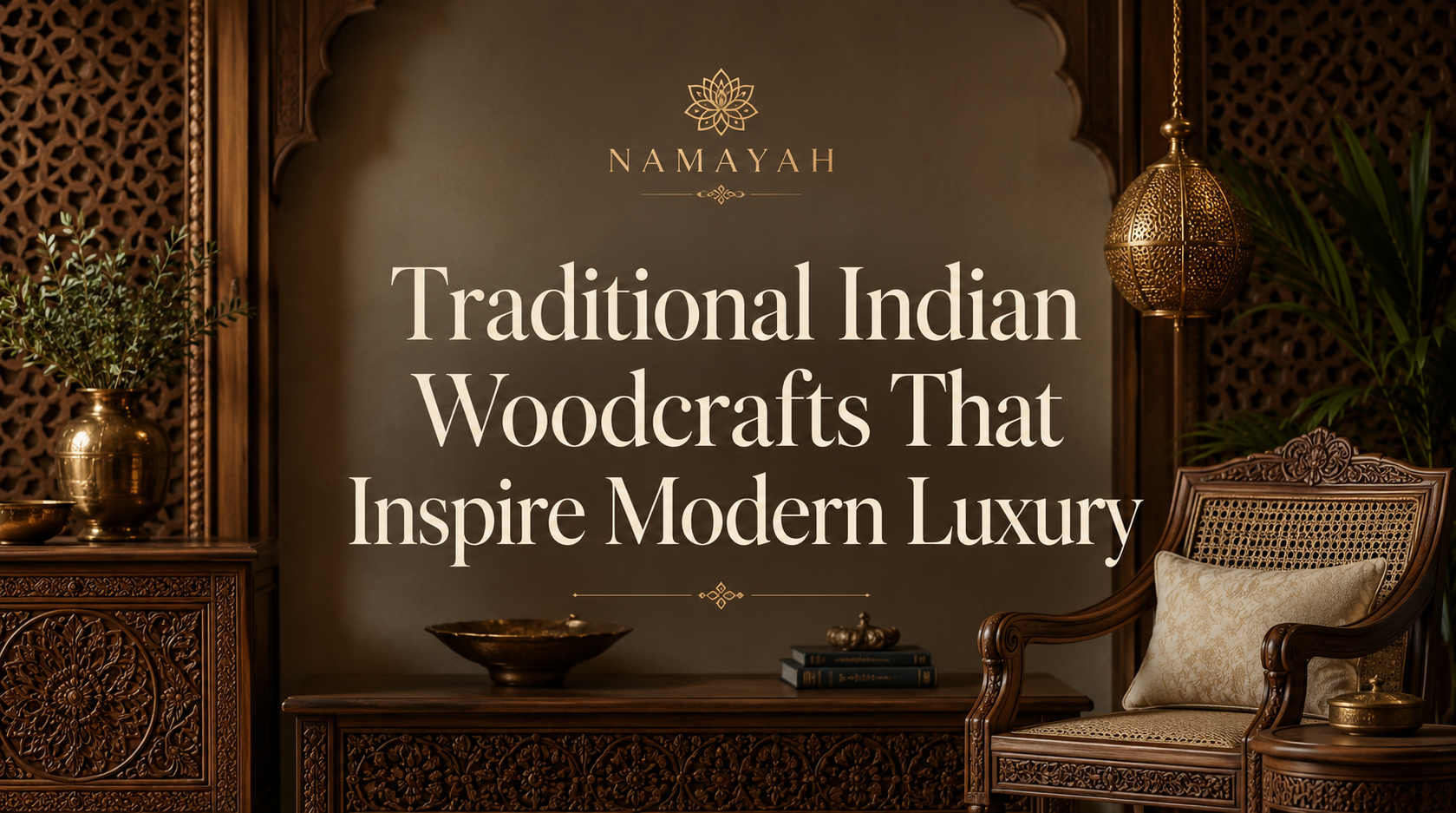
India’s woodworking heritage is among the most diverse and sophisticated in the world. From intricately carved palace doors to hand-crafted furniture adorned with floral motifs, Traditional Indian Woodcrafts That Inspire Modern Luxury continue to influence interior designers, architects, furniture makers, and luxury brands globally.
The remarkable craftsmanship developed over centuries has found new relevance in today’s luxury market. Designers increasingly seek authenticity, sustainability, and handcrafted excellence—qualities deeply embedded in Indian woodcraft traditions. As modern luxury evolves beyond mass-produced goods, traditional Indian woodworking offers timeless beauty, cultural richness, and unmatched artisanal value.
Introduction to India’s Rich Woodcraft Heritage
India’s woodcraft traditions span thousands of years and vary across regions, reflecting local cultures, materials, and artistic influences. Different states developed distinctive woodworking styles based on available timber species, royal patronage, religious practices, and trade connections.
Wood has long been used to create:
- Furniture
- Doors and windows
- Temple architecture
- Decorative panels
- Household objects
- Storage chests
- Screens and partitions
These handcrafted items often featured symbolic carvings, floral motifs, mythological scenes, and geometric patterns that showcased exceptional skill.
Today, luxury designers draw inspiration from these historical traditions to create sophisticated spaces that celebrate heritage while meeting contemporary tastes.
The Enduring Appeal of Handmade Wooden Artistry
In an age dominated by automation, handmade craftsmanship has become increasingly valuable. Luxury consumers seek products that tell a story, demonstrate authenticity, and embody human creativity.
Cultural Significance of Woodcraft in Indian Society
Woodcraft occupies a special place in Indian culture. For centuries, artisans passed specialized techniques from one generation to the next. Every carved panel, cabinet, or temple door represented more than functionality—it expressed cultural identity and artistic excellence.
Many motifs found in traditional woodwork symbolize:
- Prosperity
- Spiritual growth
- Nature’s abundance
- Protection
- Harmony
These symbolic elements continue to resonate with modern buyers seeking meaningful design.
Evolution from Functional Objects to Luxury Pieces
Historically, wooden objects served practical purposes. Over time, exceptional craftsmanship elevated them into works of art. Modern luxury brands now reinterpret these traditional techniques to create:
- Statement furniture
- Luxury wall panels
- Designer room dividers
- Boutique hotel interiors
- Premium home accessories
The result is a seamless fusion of tradition and contemporary elegance.
Kashmiri Walnut Wood Carving
Among India’s most celebrated woodworking traditions is the intricate walnut wood carving of Kashmir.
Signature Motifs and Intricate Detailing
Kashmiri artisans work primarily with walnut wood known for its rich grain and durability. Carvings often feature:
- Chinar leaves
- Lotus flowers
- Vines and creepers
- Geometric patterns
- Birds and animals
The depth and precision of these carvings create stunning visual textures that remain unmatched.
Influence on Modern Luxury Furniture
Luxury furniture designers frequently borrow Kashmiri carving techniques to create:
- Statement coffee tables
- Executive desks
- Decorative wall panels
- High-end cabinetry
- Luxury headboards
The handcrafted details add sophistication and exclusivity to contemporary interiors.
Saharanpur Wood Carving Traditions
Located in Uttar Pradesh, Saharanpur is renowned for its detailed wood carving heritage.
Floral Patterns and Contemporary Adaptations
Saharanpur artisans specialize in elaborate floral motifs and fine lattice work. Traditional designs are now being adapted into modern aesthetics with cleaner lines and minimalist forms.
Popular applications include:
- Luxury mirrors
- Accent furniture
- Decorative trays
- Sculptural wall art
- Designer shelving
Luxury Home Décor Applications
Many luxury homes incorporate Saharanpur-inspired pieces to introduce handcrafted warmth and visual interest. These items serve as focal points while preserving a connection to India’s artistic traditions.
Rajasthan’s Ornate Wooden Craftsmanship
Rajasthan’s royal history profoundly influenced its woodworking traditions.
Royal Influences and Palace-Inspired Designs
Artisans created furniture and architectural elements for kings and nobles. Features often included:
- Elaborate carvings
- Brass embellishments
- Painted details
- Arched forms
- Floral motifs
These luxurious elements continue to inspire modern design.
Modern Luxury Interiors Inspired by Rajasthan
Contemporary designers reinterpret Rajasthani aesthetics through:
- Carved statement doors
- Luxury bed frames
- Decorative consoles
- Ornate room dividers
- Grand entrance features
Such pieces create an atmosphere of elegance and grandeur.
Chettinad Woodwork from Tamil Nadu
Chettinad architecture showcases some of India’s most impressive woodworking traditions.
Architectural Grandeur and Craftsmanship
Chettinad mansions are famous for:
- Massive carved pillars
- Ornate door frames
- Detailed ceilings
- Handcrafted wooden beams
The craftsmanship reflects both local artistry and global influences acquired through historic trade networks.
Luxury Residences and Boutique Hotels
Today, architects draw inspiration from Chettinad design when creating:
- Luxury villas
- Heritage hotels
- Boutique resorts
- Premium residential projects
These influences bring warmth, scale, and authenticity to modern spaces.
Kerala’s Rosewood and Teak Craft Traditions
Kerala has long been recognized for its mastery of rosewood and teak craftsmanship.
Sustainable Luxury and Premium Materials
Teak and rosewood offer exceptional durability and natural beauty. Their rich textures make them highly desirable in luxury interiors.
Modern applications include:
- Designer furniture
- Custom cabinetry
- Luxury flooring
- Architectural detailing
- Premium outdoor furnishings
The emphasis on quality materials aligns perfectly with contemporary luxury values.
Temple Woodcarving as a Design Influence
India’s temple architecture contains some of the world’s most extraordinary wood carvings.
Sacred Geometry in Contemporary Design
Temple carvings often incorporate:
- Sacred geometry
- Symmetrical patterns
- Mythological imagery
- Symbolic motifs
Contemporary designers adapt these elements into:
- Wall panels
- Feature ceilings
- Decorative screens
- Luxury lighting installations
This creates visually striking interiors rooted in cultural heritage.
Handcrafted Wooden Screens and Partitions
Traditional wooden screens have evolved into sophisticated luxury design elements.
Blending Privacy with Elegance
Modern interiors use handcrafted partitions to:
- Define spaces
- Improve privacy
- Enhance aesthetics
- Introduce texture
- Create architectural interest
Inspired by traditional jali and carved screen designs, these pieces remain highly sought after in luxury homes and hotels.
Sustainable Luxury Through Traditional Craftsmanship
As environmental awareness grows, traditional craftsmanship offers a compelling model for sustainable luxury.
Ethical Sourcing and Responsible Production
Many artisan communities emphasize:
- Sustainable timber use
- Long-lasting products
- Minimal waste
- Hand-powered techniques
- Local sourcing
These practices align with the growing demand for environmentally responsible luxury goods.
The Role of Artisans in Modern Luxury Markets
Artisans remain at the heart of India’s woodcraft industry. Their skills cannot be fully replicated by machines.
Luxury brands increasingly collaborate with craftspeople to create:
- Limited-edition collections
- Bespoke furniture
- Custom architectural installations
- Heritage-inspired décor
These partnerships preserve traditional knowledge while creating economic opportunities for artisan communities.
Technology Meets Traditional Woodcraft
Modern technology has enhanced rather than replaced traditional craftsmanship.
Designers now use:
- Digital modeling
- Precision measurement tools
- Sustainable finishing techniques
- Advanced preservation methods
However, the artistic carving and finishing processes continue to rely heavily on human expertise.
The combination of technology and craftsmanship allows traditional designs to reach global audiences while maintaining authenticity.
Global Demand for Indian Wooden Luxury Products
Indian woodcraft has gained recognition in international markets due to its:
- Exceptional craftsmanship
- Cultural authenticity
- Sustainable appeal
- Unique aesthetic qualities
Luxury hotels, designers, collectors, and homeowners worldwide increasingly incorporate Indian-inspired woodwork into their projects.
Many buyers appreciate that handcrafted pieces possess subtle variations, making every item unique.
Preserving Heritage While Embracing Innovation
The future of Indian woodcraft depends on balancing preservation and innovation. By adapting traditional techniques to modern lifestyles, artisans ensure their craft remains relevant.
Educational initiatives, design collaborations, and global exposure help safeguard these traditions for future generations.
As luxury increasingly values authenticity, heritage, and sustainability, Indian woodcraft is uniquely positioned to thrive.
Frequently Asked Questions
1. What makes Indian woodcraft unique?
Indian woodcraft combines centuries-old techniques, regional artistic traditions, symbolic motifs, and exceptional hand-carving skills that create distinctive and highly detailed works.
2. Which wood is most commonly used in traditional Indian woodworking?
Popular woods include teak, rosewood, walnut, sandalwood, and sheesham, each valued for its beauty and durability.
3. Why are luxury designers interested in traditional Indian woodcraft?
Designers appreciate its authenticity, craftsmanship, sustainability, and ability to add cultural depth and uniqueness to modern spaces.
4. Is handcrafted wooden furniture more durable than machine-made furniture?
High-quality handcrafted furniture often lasts longer because artisans pay close attention to material selection, joinery, and finishing techniques.
5. How does traditional woodcraft support sustainability?
Traditional methods typically involve lower energy consumption, reduced waste, local sourcing, and the creation of long-lasting products.
6. Which Indian region is famous for walnut wood carving?
Kashmir is internationally recognized for its exquisite walnut wood carving tradition.
7. Can traditional Indian woodcraft fit modern interior styles?
Yes. Contemporary designers frequently blend traditional carving techniques with minimalist forms to create sophisticated modern luxury interiors.
Conclusion
Traditional Indian Woodcrafts That Inspire Modern Luxury demonstrate how heritage and innovation can coexist beautifully. From Kashmiri walnut carvings and Saharanpur floral artistry to Chettinad architectural woodwork and Kerala’s premium timber traditions, these crafts continue to shape the global luxury landscape.
Their enduring appeal lies in authenticity, exceptional craftsmanship, sustainability, and cultural richness. As modern consumers increasingly value meaningful and responsibly made products, traditional Indian woodcraft stands as a powerful example of timeless luxury that honors the past while embracing the future.
For further exploration of Indian handicrafts and heritage preservation, visit the official website of the Development Commissioner (Handicrafts).