
The Art of Hand-Carved Wooden Décor: A Timeless Tradition
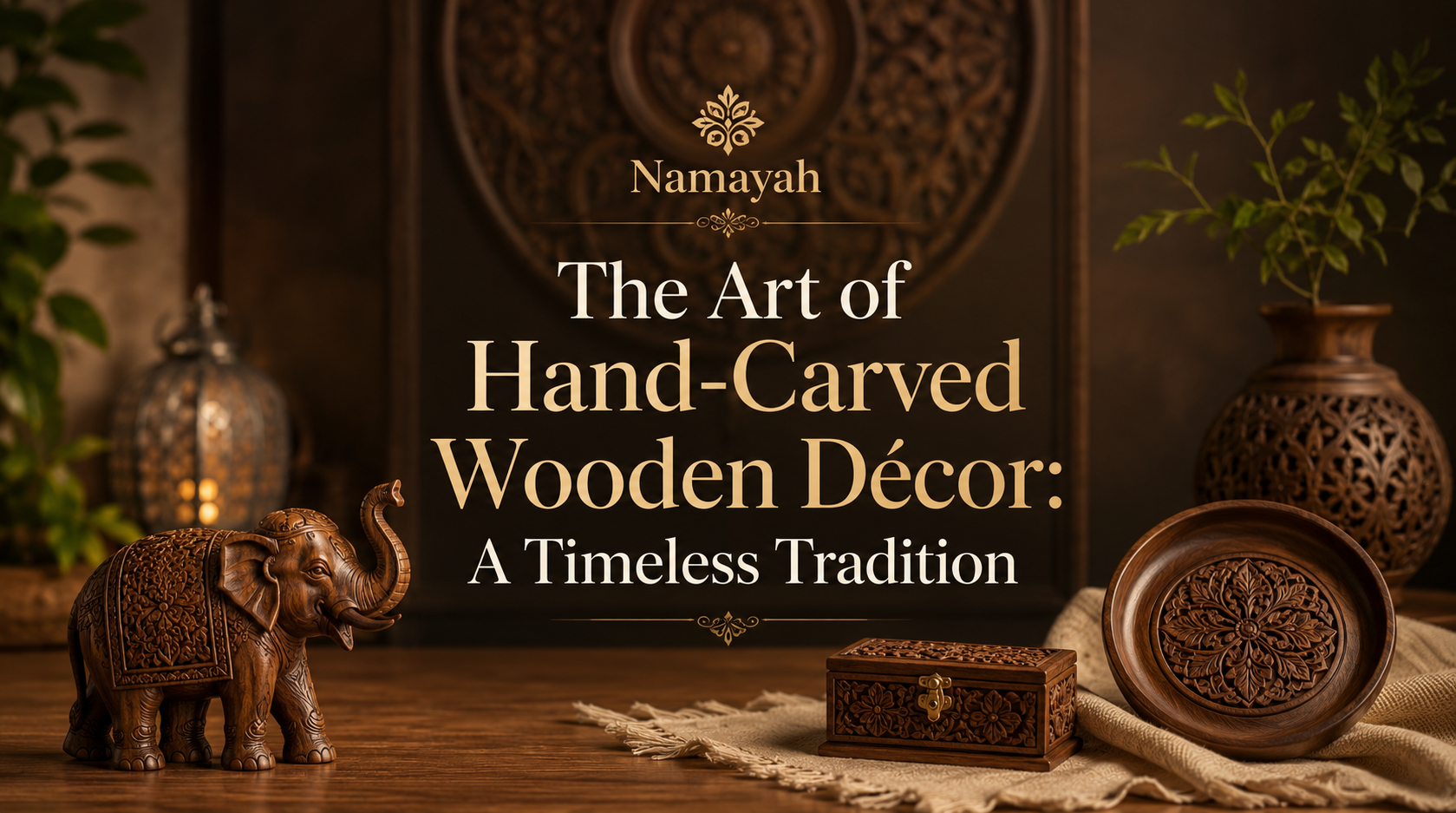
Wood has been one of humanity’s most cherished materials for thousands of years. From ancient temples and palaces to modern homes, handcrafted wooden decorations continue to inspire admiration and respect. The Art of Hand-Carved Wooden Décor: A Timeless Tradition represents far more than simple decoration—it reflects culture, craftsmanship, creativity, and heritage passed down through generations.
In a world increasingly dominated by machine-made products, hand-carved wooden décor stands out for its authenticity, individuality, and enduring beauty. Every carved detail tells a story, making each piece unique and deeply meaningful.
Introduction to Hand-Carved Wooden Décor
Hand-carved wooden décor refers to decorative items crafted by artisans using traditional carving techniques rather than automated machinery. These pieces can range from intricate wall panels and sculptures to furniture, ornaments, and architectural accents.
Unlike mass-produced items, hand-carved works showcase the skill, patience, and artistic vision of the craftsperson. The slight variations in texture, depth, and design create character that cannot be replicated by machines.
The enduring appeal of wooden décor lies in its natural warmth and timeless elegance. Whether displayed in a traditional cottage or a contemporary apartment, hand-carved wood adds personality and sophistication to any space.
The Origins of Wood Carving Through History
Ancient Civilizations and Wooden Art
Wood carving dates back thousands of years. Ancient Egyptians created carved wooden furniture and statues for both daily use and ceremonial purposes. Archaeological discoveries reveal remarkably detailed carvings that demonstrate advanced artistic techniques.
In Asia, intricate wood carving became a defining element of temples, palaces, and religious structures. Many of these masterpieces still survive today, showcasing extraordinary craftsmanship.
Similarly, European civilizations used carved wood to decorate churches, castles, and homes. Wooden art often depicted religious scenes, mythological figures, and symbols of status.
Evolution Across Different Cultures
Each culture developed unique carving styles influenced by local traditions and available materials.
Examples include:
- Scandinavian folk carvings featuring floral motifs
- African tribal sculptures expressing spiritual beliefs
- Indian temple carvings filled with symbolic imagery
- Japanese woodwork emphasizing simplicity and harmony
These cultural influences continue to inspire modern artisans around the world.
Why Hand-Carved Wooden Décor Remains Popular
Natural Beauty and Warmth
Wood possesses an organic charm that synthetic materials struggle to imitate. Grain patterns, textures, and natural color variations make every piece visually appealing.
Hand-carved details enhance this beauty by highlighting the wood’s unique characteristics. The result is décor that feels warm, inviting, and connected to nature.
Uniqueness and Artistic Value
No two hand-carved pieces are exactly alike. Every cut, curve, and pattern reflects the artisan’s personal touch.
Benefits include:
- Exclusive designs
- Artistic authenticity
- Customization possibilities
- Emotional connection to craftsmanship
These qualities make hand-carved wooden décor especially valuable for homeowners seeking individuality.
Traditional Wood Carving Techniques
Relief Carving
Relief carving involves creating designs that project from a flat wooden surface. This technique is commonly used for decorative panels, wall art, and architectural features.
Artisans carefully remove background material while leaving the primary design raised, creating depth and visual interest.
Chip Carving
Chip carving uses precise cuts to remove small chips of wood, forming geometric patterns and decorative textures.
This method requires exceptional control and precision, making it one of the most respected carving techniques.
Whittling and Sculptural Carving
Whittling involves shaping wood with a knife to create figures and decorative objects.
Sculptural carving takes this process further by producing three-dimensional artworks such as:
- Animal figures
- Human sculptures
- Decorative statues
- Ornamental centerpieces
These pieces often become focal points within interior spaces.
Types of Wood Used in Hand-Carved Décor
Hardwood Choices
Hardwoods are favored for their durability and fine grain.
Popular options include:
| Wood Type | Characteristics |
|---|---|
| Oak | Strong and highly durable |
| Walnut | Rich color and elegant grain |
| Mahogany | Smooth texture and luxurious appearance |
| Maple | Dense and resistant to wear |
| Cherry | Beautiful aging process |
Softwood Options
Softwoods are easier to carve and often preferred by beginners.
Common choices include:
- Pine
- Cedar
- Spruce
- Fir
Their workability allows artisans to create detailed designs efficiently.
The Craftsmanship Behind Every Piece
Tools Used by Skilled Artisans
Traditional wood carvers rely on specialized tools, including:
- Gouges
- Chisels
- Mallets
- Carving knives
- V-tools
Each tool serves a specific purpose in shaping and detailing the wood.
The Detailed Creation Process
Creating hand-carved wooden décor involves several stages:
- Selecting quality wood
- Designing the pattern
- Rough shaping
- Detailed carving
- Sanding and smoothing
- Finishing and sealing
Depending on complexity, a single piece may require days or even weeks to complete.
Cultural Significance of Wooden Décor
Symbolism in Different Regions
Wood carvings often carry symbolic meanings. Traditional motifs can represent:
- Prosperity
- Protection
- Fertility
- Spiritual growth
- Family heritage
These symbols connect decorative objects to cultural identities and beliefs.
Spiritual and Decorative Uses
Many cultures incorporate carved wooden objects into religious ceremonies and sacred spaces.
Examples include:
- Temple decorations
- Prayer altars
- Sacred statues
- Ritual masks
Even today, these pieces maintain both artistic and spiritual importance.
Popular Hand-Carved Wooden Décor Items
Wall Art and Panels
Carved wall panels add depth and elegance to interior spaces. Their intricate patterns can transform blank walls into stunning focal points.
Furniture and Home Accessories
Hand-carved craftsmanship appears in:
- Coffee tables
- Cabinets
- Headboards
- Mirrors
- Picture frames
These items combine functionality with artistic beauty.
Sculptures and Figurines
Decorative sculptures remain among the most sought-after carved wooden pieces because they showcase an artisan’s highest level of skill.
Hand-Carved Wooden Décor in Modern Interior Design
Rustic Styles
Rustic interiors celebrate natural materials and handcrafted details. Hand-carved wooden décor fits perfectly within these settings by enhancing warmth and authenticity.
Contemporary Spaces
Modern designers increasingly use carved wooden accents to soften minimalist environments.
Popular applications include:
- Feature walls
- Statement sculptures
- Decorative room dividers
- Accent furniture
The contrast between natural craftsmanship and modern architecture creates visual balance.
Sustainability and Eco-Friendly Benefits
One reason hand-carved wooden décor remains relevant is its sustainability. Responsibly sourced wood is renewable and biodegradable.
Advantages include:
- Reduced environmental impact
- Long-lasting durability
- Minimal industrial processing
- Support for traditional artisans
Consumers seeking eco-conscious design solutions often prefer handcrafted wooden products over synthetic alternatives.
For more information on sustainable forestry practices, visit the Forest Stewardship Council (FSC) at https://www.fsc.org.
Caring for Hand-Carved Wooden Décor
Cleaning Methods
Proper care helps preserve beauty and longevity.
Recommended practices:
- Dust regularly with a soft cloth
- Avoid harsh chemicals
- Use wood-safe cleaning products
- Keep surfaces dry
Preservation Techniques
To protect carved wood:
- Avoid direct sunlight
- Maintain stable humidity levels
- Apply protective wax when needed
- Store carefully during relocation
Routine maintenance can keep wooden décor looking beautiful for decades.
How to Identify Authentic Hand-Carved Pieces
Authentic hand-carved items typically display:
- Slight variations in patterns
- Visible tool marks
- Unique detailing
- Artisan signatures or markings
- Greater depth and texture
Machine-produced replicas often appear overly uniform and lack the character found in genuine handcrafted works.
Investment Value of Hand-Carved Wooden Art
Hand-carved wooden décor is not merely decorative—it can also be a valuable investment.
Factors influencing value include:
- Artisan reputation
- Wood quality
- Craftsmanship complexity
- Historical significance
- Condition and preservation
Rare handcrafted pieces frequently appreciate in value over time, making them attractive to collectors and art enthusiasts.
Frequently Asked Questions
1. Why is hand-carved wooden décor considered special?
Because each piece is individually crafted by an artisan, making it unique and rich in character.
2. What is the best wood for hand carving?
Walnut, cherry, oak, and cedar are among the most popular choices due to their beauty and workability.
3. Is hand-carved wooden décor expensive?
Prices vary depending on size, complexity, wood type, and artisan expertise. Handmade pieces generally cost more than machine-made alternatives.
4. How long does handcrafted wooden décor last?
With proper care, quality wooden décor can last for generations.
5. Can hand-carved wood fit modern interiors?
Yes. Many contemporary designers use carved wooden accents to add warmth and texture to modern spaces.
6. How can I verify authenticity?
Look for natural imperfections, tool marks, unique details, and evidence of manual craftsmanship.
7. Is hand-carved wooden décor environmentally friendly?
When sourced responsibly, wood is a renewable material and an eco-friendly décor choice.
Conclusion
The Art of Hand-Carved Wooden Décor: A Timeless Tradition continues to thrive because it combines artistry, heritage, functionality, and sustainability in a way few decorative forms can match. Each handcrafted piece carries the story of its maker, the character of the wood, and the cultural traditions that inspired its creation.
Whether displayed as wall art, furniture, sculptures, or architectural accents, hand-carved wooden décor offers a lasting connection to craftsmanship and nature. In an age of mass production, these remarkable creations remind us of the enduring value of human skill, creativity, and tradition.